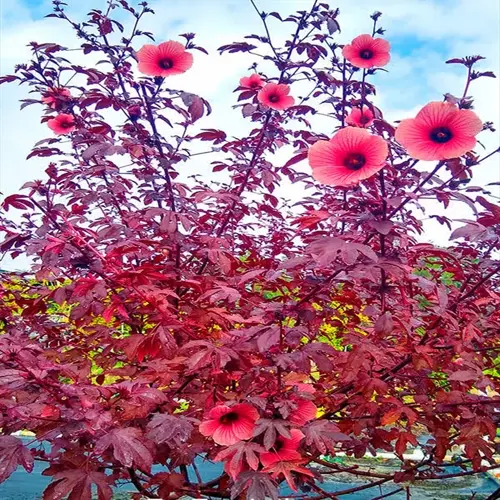

Yes, you should cut back hibiscus winter stems after the first hard frost kills the foliage and turns the plant brown. Hardy hibiscus is an herbaceous perennial that dies to the ground each year, so cutting back the dead stems is part of normal fall care. Waiting for the stems to die on their own is the key to doing this right.
I tried both fall and spring pruning over the years and have settled on fall as my preferred timing. Cutting in fall keeps the garden looking tidy through winter and removes hiding spots for insect eggs and fungal spores. Spring pruning works too, and it gives you a visual marker for where the plant sits under the snow. I leave a few plants uncut each year as location markers, but I prune the majority once the stems turn brown and crispy in late October.
The hibiscus winter pruning technique matters more than most people realize. The National Garden Bureau says to leave 6 inches (15 centimeters) of stem above the soil. Don't cut flush to the ground. Hardy hibiscus stems are hollow, and cutting too low creates a tube that collects rain and snowmelt. That standing water freezes inside the stem and can crack the crown where next year's buds form. Leaving a short stub prevents this by keeping the cut end above the typical moisture line.
K-State Extension adds that you should wait until stems brown and dry out on their own before cutting. Don't rush to prune while green tissue remains because the plant is still pulling nutrients down into the rootstock during that transition. Once the stems snap with a dry crack instead of bending, they are ready to cut. MSU Extension recommends following up with a layer of mulch over the root zone in late fall for extra winter protection.
Your complete hardy hibiscus fall cleanup should follow these steps in order. First, wait for the first hard frost to kill back all the foliage and stems. Second, use sharp hand pruners or loppers to cut each stem to 4 to 6 inches (10 to 15 centimeters) above soil level. Third, remove all the cut material from the garden bed and compost it or throw it away. Fourth, spread 4 to 6 inches of mulch over the entire root zone once the ground starts to freeze. Shredded bark, straw, and chopped leaves all work well.
Push a labeled plant stake into the ground near each plant's crown as your last step. Hardy hibiscus comes up later than most other perennials in your garden. Without a marker, you might dig into the crown by mistake during spring planting. A simple stake takes ten seconds and can save your plant's life.
The whole pruning and cleanup process takes about 5 minutes per plant once you get the hang of it. Done right, this quick fall task sets your hardy hibiscus up for a strong return the following spring with even more blooms than the year before.
Read the full article: Hardy Hibiscus Care and Growing Guide