
Introduction
A hibiscus tree brings bold color to any garden with blooms the size of dinner plates. The genus holds about 300 species that span shrubs, annuals, and perennials. These plants carry deep roots in the cultures of Hawaii and South Korea. Most people don't realize that the hibiscus tree isn't a separate species at all.
In my experience growing these plants, I've shaped over a dozen into tree form during the past 8 years. The process is like sculpting a bonsai in reverse. You push a single trunk upward instead of spreading branches outward. You can grab a finished tropical hibiscus from a nursery or train one at home with patience and sharp pruning shears.
This guide shows you how to pick the right hardy hibiscus or tropical type for your zone. You'll learn pruning tricks that boost bloom count. We cover soil mixes that keep roots strong and pest fixes that save your flowering shrub before damage spreads.
Whether you want a patio centerpiece in a pot or a full sized specimen in the front yard, the steps below will get you there. Your plant can bloom from spring through fall with the right care.
Hibiscus Tree Pruning and Tree-Form Training
An untrained hibiscus grows as a bushy shrub with stems shooting out in every direction from the base. A finished hibiscus tree form looks nothing like that. It stands tall on a single clean trunk topped by a round canopy full of blooms. The change between those 2 stages takes about 1 to 2 growing seasons of steady work.
I started shaping hibiscus into tree standards years ago after I bought a scraggly nursery plant on clearance. That first attempt taught me the value of hibiscus pruning done at the right time. NC State Extension confirms you should cut back about one third of the canopy height each spring. Flowers bloom on new wood, so pruning for more flowers means you get a bigger show later in the season.
Shaping hibiscus into a standard tree form takes patience but the steps below make it simple. Grafting is another route that nurseries use to create hibiscus tree standard specimens faster. Some growers also braid 3 young trunks together during the first year for a twisted trunk look. Whatever method you pick, the key is steady care and clean cuts.
Select a Strong Central Leader
- Timing: Begin training when the hibiscus plant is young and actively growing, ideally in spring when new shoots are 12 to 18 inches (30 to 45 centimeters) tall.
- Selection: Choose the straightest and most vigorous upright stem as the future trunk, removing all other stems at the soil line with clean pruning shears.
- Staking: Insert a sturdy bamboo or wooden stake next to the selected stem and tie it loosely with soft plant ties every 6 inches (15 centimeters) to encourage vertical growth.
Remove Lower Side Shoots
- Method: Pinch or cut off all side branches along the lower two-thirds of the trunk as they appear, leaving only the top cluster of leaves to feed the plant.
- Frequency: Check the trunk weekly during the growing season and remove new side shoots before they reach 2 inches (5 centimeters) in length for cleanest results.
- Patience: This process takes one to two full growing seasons to establish a bare trunk of 2 to 4 feet (0.6 to 1.2 meters) depending on the desired final tree height.
Encourage a Full Canopy
- Pinching: Once the trunk reaches your desired height, pinch the growing tip to force branching and create a rounded canopy at the top of the tree.
- Shaping: Continue pinching the tips of new canopy branches after every 4 to 6 leaves to promote dense, bushy growth and maximum flower production.
- Timing: Shape the canopy in early spring just before new growth begins, then allow the plant to bloom freely throughout summer and fall.
Maintain the Tree Form
- Annual Pruning: Each spring, cut back the canopy by one-third of its size to keep the tree compact and encourage fresh flowering wood throughout the season.
- Trunk Maintenance: Continue removing any suckers or side shoots that sprout along the bare trunk throughout the year to maintain the clean tree silhouette.
- Support: Keep the stake in place for at least two full growing seasons until the trunk thickens enough to support the canopy weight on its own.
The biggest mistake I see new growers make is cutting too much at once. Take your time with each trim and step back to check the shape before making the next cut.
7 Popular Hibiscus Varieties
Picking the right hibiscus variety saves you years of frustration in the garden. Each of these 7 hibiscus varieties thrives in a different climate range and fills a specific role in your landscape. I've grown 5 of these types and can tell you that zone match matters more than anything else.
The list below pairs each hibiscus cultivars group with its best use case so you can find the right fit fast. Cold climate growers have great options like Hibiscus moscheutos rose mallow and Rose of Sharon. Warm zone gardeners get the bold tropical types that earn the dinner plate hibiscus nickname and make the best patio trees.
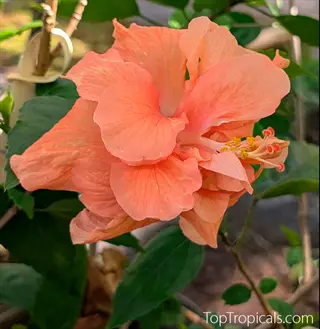
Tropical Hibiscus (H. rosa-sinensis)
- Hardiness: Grows outdoors year-round only in USDA Zones 9a through 11b, making it ideal for southern coastal gardens and warm patios.
- Size: Reaches 4 to 10 feet (1.2 to 3 meters) tall and 5 to 8 feet (1.5 to 2.4 meters) wide when planted in the ground.
- Flowers: Produces funnel-shaped blooms 3 to 6 inches (7.5 to 15 centimeters) across in vivid red, pink, orange, yellow, and white from spring through fall.
- Best Use: The most popular choice for training into a single-trunk hibiscus tree form for patios, entryways, and container displays.
- Wildlife Value: Attracts butterflies, hummingbirds, and the specialized bee Ptilothrix bombiformis while being deer resistant.
- Edible Bonus: Flowers are edible and can be used in salads, teas, and garnishes according to NC State Extension.
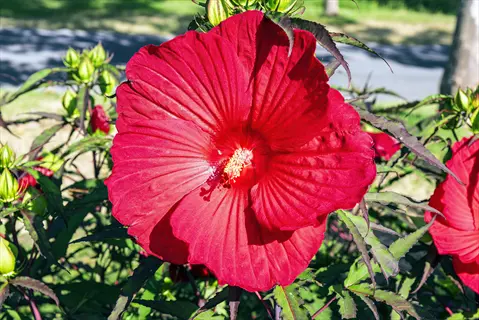
Rose Mallow (H. moscheutos)
- Hardiness: Thrives in USDA Zones 4 through 9, making it the best hibiscus choice for cold-climate gardeners across most of North America.
- Size: Grows 3 to 7 feet (0.9 to 2.1 meters) tall and produces the largest flowers of any hardy perennial hibiscus species.
- Flowers: Individual blooms reach 7 to 12 inches (18 to 30 centimeters) wide, earning it the nickname dinner plate hibiscus among gardeners.
- Bloom Period: Flowers appear from August through October and each individual bloom lasts only one day before dropping naturally.
- Winter Behavior: Dies back completely to the ground after the first hard frost and re-emerges from the roots in late spring.
- Growth Tip: Cut stems to 4 to 6 inches (10 to 15 centimeters) in late fall after dieback and mark the location to avoid accidental damage in early spring.
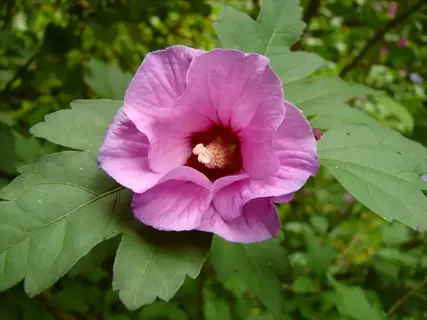
Rose of Sharon (H. syriacus)
- Hardiness: Grows well in USDA Zones 5 through 9, offering cold tolerance combined with a classic upright shrub or small tree form.
- Size: Reaches 8 to 10 feet (2.4 to 3 meters) tall and 6 to 10 feet (1.8 to 3 meters) wide at maturity, making it suitable for hedges and screens.
- Flowers: Produces single or double blooms in purple, blue, pink, and white from midsummer through early fall on new growth.
- Versatility: Works as a standalone specimen tree, privacy hedge, foundation planting, or container-grown patio focal point.
- Maintenance: Tolerates heavy pruning in late winter and responds with vigorous new growth and increased flower production.
- Caution: Self-seeds in large numbers in warm climates, so choosing sterile cultivars helps prevent unwanted seedlings in garden beds.
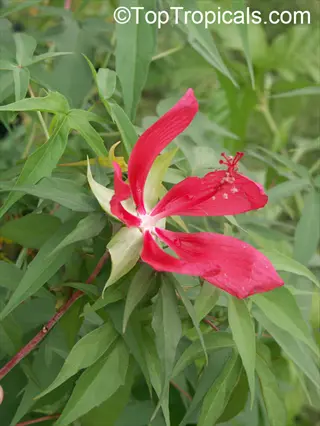
Scarlet Rosemallow (H. coccineus)
- Hardiness: Performs well in USDA Zones 6 through 9, tolerating more cold than tropical hibiscus while offering dramatic red flowers.
- Size: Grows 4 to 8 feet (1.2 to 2.4 meters) tall with deep lobed leaves that resemble cannabis foliage, often surprising first-time growers.
- Flowers: Produces striking deep red blooms up to 6 inches (15 centimeters) wide that attract hummingbirds and butterflies throughout summer.
- Bloom Duration: Each individual flower lasts only a single day, but the plant keeps producing new blooms for several months.
- Habitat: Native to southeastern United States wetlands and does well in consistent moist or even boggy soil conditions.
- Landscape Use: Excellent choice for rain gardens, pond edges, and low-lying areas where other hibiscus species might develop root rot.
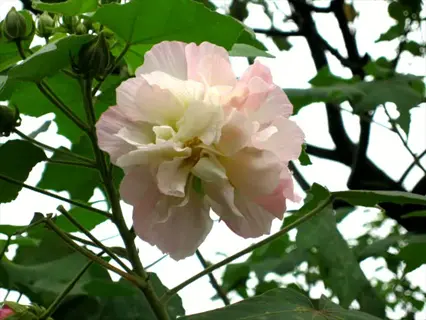
Confederate Rose (H. mutabilis)
- Hardiness: Grows in USDA Zones 7 through 9 and reaches up to 15 feet (4.6 meters) tall in warm coastal areas with mild winters.
- Flowers: Blooms open white in the morning, turn pink by afternoon, and deepen to rose-red by evening, creating a multicolor display on a single plant.
- Size: Functions as a large shrub or small tree reaching 6 to 15 feet (1.8 to 4.6 meters) depending on climate and winter severity.
- Growth Habit: Grows fast in warm climates and can be cut to the ground after frost, regrowing from the base in spring.
- Best Use: Makes a stunning specimen plant or conversation piece in gardens due to its unique color-changing blooms throughout each day.
- Propagation: Roots easily from large cuttings taken in late winter, making it one of the simplest hibiscus species to share and propagate.
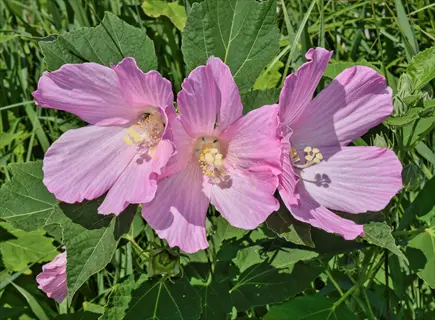
Swamp Rosemallow (H. grandiflorus)
- Hardiness: Thrives in USDA Zones 8 through 11 and tolerates wet feet better than nearly any other ornamental hibiscus species.
- Flowers: Produces soft pink to lavender blooms up to 10 inches (25 centimeters) wide with a velvety texture that stands out in garden settings.
- Size: Grows 4 to 8 feet (1.2 to 2.4 meters) tall with large heart-shaped grayish-green leaves that add textural interest even before blooming.
- Habitat: Native to freshwater marshes and coastal wetlands, making it the top hibiscus pick for water gardens and retention areas.
- Bloom Period: Flowers appear from mid to late summer and each bloom lasts a single day, followed by new buds opening the following morning.
- Companion Value: Pairs well with ornamental grasses, canna lilies, and other moisture-loving perennials in naturalized garden designs.
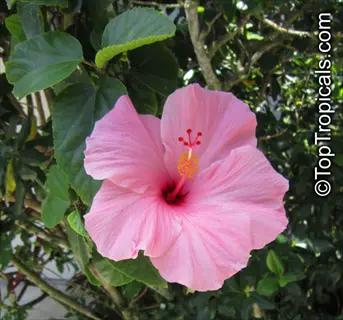
Chinese Hibiscus Cultivars
- Varieties: Named cultivars within H. rosa-sinensis offer double blooms, ruffled petals, and bicolor patterns not found in the standard species form.
- Container Stars: Compact cultivars grow well in 14 to 20 inch (35 to 50 centimeter) pots, making them ideal for patios and balconies in any climate zone.
- Color Range: Available in every warm color from deep burgundy and coral to bright yellow, peach, salmon, and pure white with contrasting eyes.
- Indoor Potential: Performs as a year-round houseplant near a sunny western or southern window with at least 4 to 5 hours of bright direct light daily.
- Feeding Needs: Heavy feeders that benefit from balanced 20-20-20 fertilizer at half label strength every two to three weeks during the growing season.
- Tree Training: Responds well to single-trunk training with staking and selective side-shoot removal over one to two growing seasons for a standard tree shape.
Planting and Soil Essentials
Getting the soil right matters more than most growers think when planting hibiscus. I lost my first 2 plants because I stuck them in dense clay and wondered why the roots rotted out. The hibiscus soil requirements are simple once you know them. Your plant needs a well-drained soil with a pH between 6.0 and 6.5 for the best nutrient uptake.
That slight acidity helps your hibiscus pull iron and other minerals from the ground. The best soil for hibiscus in containers comes from UMN Extension. Mix 2 parts potting soil, 2 parts peat moss, and 1 part perlite to create the perfect hibiscus potting mix. For in ground planting hibiscus, blend 3 to 4 inches of compost into the top 12 inches of your native soil.
One big warning here. Too much phosphorus will damage your hibiscus roots and can even kill the plant. Stick with a balanced 10-10-10 fertilizer or go with a 17-5-24 blend that keeps phosphorus low. The steps below walk you through the full planting process from start to finish.
Choose the Right Site
- Sun Exposure: Pick a spot that gets at least six hours of direct sunlight daily, with afternoon shade in extremely hot climates above Zone 9.
- Wind Protection: Select a location sheltered from strong winds that can snap trained tree-form trunks and strip blooms from branches.
- Drainage: Avoid low-lying areas where water pools after rain because hibiscus roots rot quickly in standing water.
Prepare the Soil
- pH Level: Test your soil and aim for a slightly acidic pH between 6.0 and 6.5 for best nutrient uptake according to extension research.
- In-Ground Mix: Amend heavy clay or sandy soil with 3 to 4 inches (7.5 to 10 centimeters) of compost worked into the top 12 inches (30 centimeters) of soil.
- Container Mix: Use 2 parts potting soil, 2 parts peat moss, and 1 part perlite or vermiculite as recommended by UMN Extension.
Plant at the Correct Depth
- Depth Rule: Set the root ball so the top sits level with the surrounding soil surface, never deeper than it grew in the nursery pot.
- Hole Size: Dig a hole twice as wide as the root ball but no deeper to encourage roots to spread outward into amended soil.
- Backfill: Fill around the root ball with your amended soil mix and press gently to remove air pockets without compacting the soil.
Water and Mulch
- Initial Watering: Soak the planting area deeply right after planting until water runs through the root zone to settle the soil around roots.
- Mulch Layer: Spread 2 to 3 inches (5 to 7.5 centimeters) of organic mulch around the base, keeping it 2 inches (5 centimeters) away from the trunk.
- First Weeks: Water every two to three days for the first two weeks, then gradually reduce to the regular watering schedule for your climate.
Watering, Feeding, and Light
Knowing how often to water hibiscus makes the difference between a plant that thrives and one that drops buds all summer. Container hibiscus watering needs differ from plants in the ground. Pots dry out much faster in the heat. In my experience, I check my potted hibiscus every morning in July and August. One missed day can trigger bud drop.
The hibiscus sun requirements are clear. Your plant needs at least 6 hours of direct sun outdoors for the best blooms. Indoor plants should get 4 to 5 hours of bright light near a south or west window. The ideal hibiscus temperature range sits between 65°F and 75°F (18°C and 24°C) during the day. Never let indoor temps fall below 55°F (13°C) or your plant will sulk and stop flowering.
Hibiscus plants are a heavy feeder type that needs steady nutrition during the growing season. Use a balanced hibiscus fertilizer like 10-10-10 or 20-20-20 at half strength every 2 to 3 weeks from spring through late summer. For tropical types in pots, a 17-5-24 blend works even better because it keeps phosphorus low. The table below breaks down your full care plan by season.
Pests, Diseases, and Fixes
Most hibiscus pests show up without warning and spread fast if you don't act right away. In my experience with these plants, I've dealt with every bug on this list at least once. The key lesson is to catch problems early. Hibiscus yellow leaves and hibiscus bud drop are the 2 most common complaints I hear from other growers.
A hibiscus not blooming is often dealing with stress rather than a pest problem. Check your light, water, and temperature first. UMN Extension notes that sudden shifts in soil moisture or air temperature trigger both yellow leaves and bud drop. Neem oil and insecticidal soap handle most bug issues. A copper fungicide treats hibiscus leaf spot if you catch it before it spreads too far. The list below covers every major problem and its fix.
Aphids and Whiteflies
- Symptoms: Tiny green, black, or white insects cluster on new growth tips and leaf undersides, leaving sticky honeydew residue that attracts sooty mold.
- Treatment: Spray affected foliage with insecticidal soap or neem oil every 5 to 7 days until the bugs clear, covering both leaf surfaces.
- Prevention: Inspect new plants before bringing them near your hibiscus and encourage natural predators like ladybugs and lacewings in your garden.
Spider Mites
- Symptoms: Fine webbing appears between leaves and stems, foliage gets a stippled or speckled look, and leaves may yellow and drop early.
- Treatment: Blast plants with a strong stream of water to knock mites off, then apply neem oil or horticultural oil each week until mites are gone.
- Prevention: Mites thrive in hot dry conditions, so boost humidity around indoor hibiscus and mist the foliage on a regular basis to keep numbers down.
Japanese Beetles
- Symptoms: Metallic green and copper beetles chew large jagged holes in hibiscus leaves and flowers, often feeding in groups during morning hours.
- Treatment: Hand pick beetles into a bucket of soapy water in the early morning when they move slow, or apply neem oil as a deterrent spray.
- Prevention: Avoid Japanese beetle traps near your hibiscus as they pull more beetles to the area than they catch.
Yellow Leaves and Bud Drop
- Yellow Leaves: Caused by sudden changes in soil moisture, air temperature, cold drafts, or nutrient gaps rather than a single watering event alone.
- Bud Drop: Triggered by temperature swings both hot and cold, drafts, erratic watering, or poor light during the budding stage.
- Solution: Check all growing conditions one by one before making changes, and move the plant to a stable spot with consistent light and temperature.
Fungal Leaf Spots and Stem Blight
- Symptoms: Dark brown or black circular spots appear on leaves, and in bad cases stems may develop soft rotting tissue near the soil line.
- Treatment: Remove and dispose of all affected leaves and stems, improve air flow around the plant, and apply a copper based fungicide if spots spread.
- Prevention: Water at the base of the plant rather than overhead, space plants for good airflow, and avoid leaving fallen debris around the root zone.
Propagation Methods
Hibiscus propagation lets you turn one healthy plant into a whole collection for free. I've used all 3 methods below and each one has its sweet spot. Growing hibiscus from cuttings is the easiest path for most growers. Hibiscus from seed takes more time but feels the most rewarding when that first bloom opens. Hibiscus division gives you fast results from a mature hardy plant.
For stem cuttings, take a pencil thick piece about 5 to 6 inches long from a healthy branch. Dip the cut end in rooting hormone and stick it in a mix of 3 parts sand to 1 part peat. Cover the pot with a clear bag to hold in moisture and set it in bright indirect light. Roots should form in 3 to 5 weeks with good warmth and humidity.
Starting hibiscus from seed takes more patience. Sow seeds indoors about 12 weeks before your last frost date for the best results. Clemson Extension notes that many varieties can bloom from seed in their first year if you start them early enough. Hibiscus division works best on mature hardy types. Dig up the root clump in spring and split it into sections with a sharp spade. Never divide in fall or you risk killing the plant before winter.
5 Common Myths
Hibiscus trees are a separate species from hibiscus shrubs and require completely different growing conditions.
Hibiscus trees are regular hibiscus plants trained into single-trunk tree form through pruning and staking, not a different species.
Tropical hibiscus can survive freezing temperatures if you mulch heavily around the base of the plant.
Tropical hibiscus (Hibiscus rosa-sinensis) cannot tolerate frost regardless of mulching and must be brought indoors when temperatures drop below 50F (10C).
Hibiscus flowers need to be deadheaded regularly or the plant will stop producing new blooms entirely.
Hibiscus blooms last only one day and drop naturally, so deadheading is not required for continued flowering throughout the season.
High-phosphorus fertilizer is the best choice for encouraging more hibiscus blooms and bigger flowers.
Too much phosphorus can actually harm hibiscus plants; a balanced fertilizer like 10-10-10 or a low-phosphorus blend like 17-5-24 works better for healthy blooms.
Yellow leaves on a hibiscus always mean the plant is overwatered and you should stop watering immediately.
Yellow leaves can result from underwatering, temperature drafts, nutrient deficiency, or pest damage, so checking all conditions before adjusting water is essential.
Conclusion
Growing hibiscus comes down to 3 basics that make all the difference. Pick the right variety for your zone, give it the soil and sun it needs, and follow a simple seasonal care plan. With about 300 species spread across Zones 4 through 11, almost every gardener can grow some form of this flowering shrub at home.
Training your own hibiscus tree at home is doable with patience and steady pruning over 1 to 2 seasons. In my experience, total beginners can shape their first tree form in a single summer by following the steps in this guide. Good hibiscus care doesn't require a green thumb. It just takes consistent habits and attention to what your plant tells you.
New compact varieties make growing hibiscus even easier for people with small patios or balconies. A single potted hibiscus tree can turn a plain corner into the best spot in your outdoor space. The blooms last just one day each, but the plant keeps pushing out new flowers from spring through fall.
Start with one plant, get the basics right, and you'll see why so many gardeners fall in love with this bold, colorful shrub. Your first bloom will tell you everything you need to know about why hibiscus is worth the effort.
External Sources
Frequently Asked Questions
What is the difference between a hibiscus plant and a hibiscus tree?
A hibiscus tree is a hibiscus plant trained into tree form with a single trunk and rounded canopy, while a hibiscus plant grows naturally as a multi-stemmed shrub.
Can hibiscus tea lower cortisol?
Hibiscus tea contains antioxidants and polyphenols that may help reduce stress markers, but direct evidence for lowering cortisol specifically is limited.
Where is the best place to plant a hibiscus tree?
Plant a hibiscus tree in a spot with full sun (at least six hours daily), well-drained soil rich in organic matter, and shelter from strong winds.
Do hibiscus trees come back every year?
Hardy hibiscus varieties die back to the ground in winter and return each spring, while tropical hibiscus must be brought indoors in cold climates.
What are the common problems with hibiscus?
Common hibiscus problems include yellow leaves from moisture stress, bud drop from temperature swings, aphid infestations, and fungal leaf spots.
Can hardy hibiscus survive winter?
Hardy hibiscus (Hibiscus moscheutos) survives winter in USDA Zones 4 through 9 by dying back to the roots and regrowing in spring.
Who should not drink hibiscus?
People on blood pressure medication, pregnant women, and those scheduled for surgery should avoid hibiscus tea due to its blood-pressure-lowering and hormonal effects.
What is the strongest tea for anxiety?
Chamomile and passionflower teas are widely considered among the strongest herbal teas for anxiety, with hibiscus offering complementary antioxidant support.
How do you flush cortisol out of your body?
Regular exercise, quality sleep, balanced nutrition, and stress-reduction practices like deep breathing help lower cortisol levels naturally over time.
Do hibiscus grow better in pots or ground?
Hibiscus grows well in both pots and ground, but container growing offers better temperature control while in-ground planting supports larger root systems.