
Yes, hardy hibiscus come back each year without fail in USDA zones 4 through 9. These plants are true herbaceous perennials that die to the ground in fall and send up fresh stems from their rootstock every single spring. You can count on them returning for 10 years or more with just basic care.
The perennial hibiscus return each spring can test your patience though. My first year growing these plants, I was certain they had died over winter. My hostas and daylilies had pushed up new growth by mid-April. The hibiscus just sat there looking like a cluster of dead sticks. I came close to digging them out and tossing them in the compost pile.
K-State Extension describes hardy hibiscus as one of the last perennials to emerge in spring. Depending on your zone, you might not see new shoots until late April in warmer areas or as late as early June in zone 4. This late start catches new gardeners off guard every single year.
Your plant stores all its comeback energy in a caudex, a woody mass that sits underground. Think of it as your hibiscus's fuel tank packed with starches and sugars. Your plant fills this caudex during the growing season. Once winter kills the stems above ground, that stored energy sits safe below the frost line. When your soil warms in spring, the caudex fuels fresh growth that can add over an inch per day.
Hardy hibiscus dormancy is a survival tool, not a sign of weakness. The plant drops its stems on purpose to dodge freezing damage. This die-back cycle lets it thrive where tropical types would freeze in one cold night. The roots stay safe underground even when air drops to -30°F (-34°C).
If you worry your plant didn't survive a tough winter, here is a simple test. Grab a knife or your thumbnail and gently scrape the bark at the base of an old stem at soil level. Green or white tissue under the brown layer means your plant is alive and waiting for warmth. Brown tissue all the way through means that stem is dead. Check several spots before giving up because the crown may still be fine.
A friend of mine panicked last spring when her hibiscus showed no signs of life by late May. I talked her out of pulling it and the plant sent up three strong shoots the first week of June. Patience saved her plant and taught us both that these late risers just need more time than we expect.
You can also push aside the mulch near the base and look for small reddish or green buds forming on the caudex. These tiny nubs are your next stems getting ready to launch. I check mine every year around late April just for peace of mind and that first glimpse of color always makes the wait worth it.
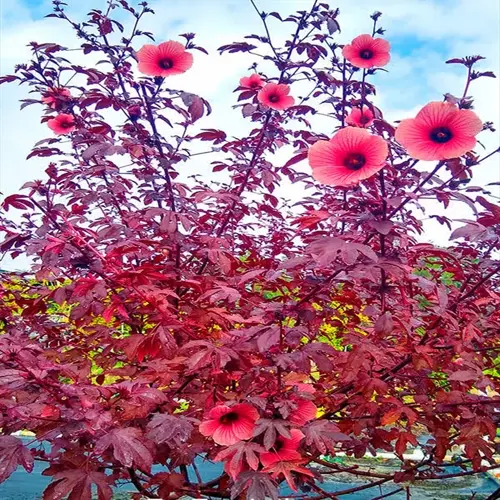
Give your hardy hibiscus the patience it deserves each spring. Mark the planting spot with a stake so you don't forget where it sits. Resist the urge to dig around the roots or add extra water to speed things up. Your plant will reward you with dinner-plate-sized blooms all summer long, year after year. Few perennials give you so much beauty for so little effort once you learn to trust their slow spring schedule.
Read the full article: Hardy Hibiscus Care and Growing Guide