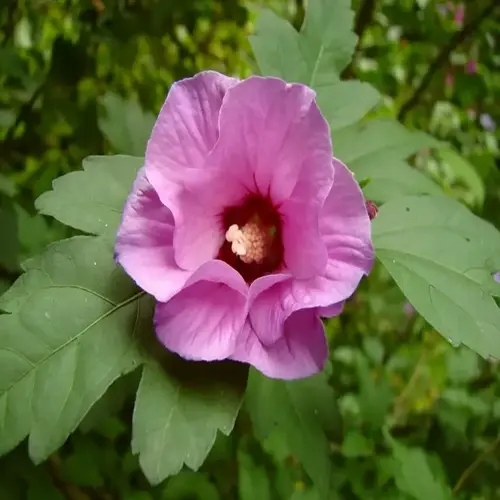

The main disadvantages of morning glories are aggressive self-seeding, toxic seeds, and a short bloom window. These vines look great in the morning, but they come with real downsides that every gardener should know about before planting them. You need to go in with your eyes open if you want to grow these flowers.
Self-seeding is the top item on the list of morning glory problems. Each vine drops hundreds of seeds that can sit in your soil for years and sprout when you least expect it. I planted a single morning glory vine on my porch rail three years ago. Now I find seedlings popping up in my flower beds, my veggie garden, and even in cracks in the driveway. One vine turned into a full-blown weed problem that I fight every spring.
The invasive nature of these vines is serious enough that some states have banned certain types. Some types are banned in Arizona and Arkansas. About 30 species are listed as noxious weeds in North America. On farms, morning glory vines can cut cotton crop yields by 80 to 88% by choking out the plants and tangling up harvest gear. What looks pretty on your fence can cause real harm if it escapes your yard.
Among the key morning glory drawbacks is the fact that their seeds are toxic. The seeds contain alkaloids that cause vomiting, nausea, and diarrhea in dogs, cats, horses, and even people. If you have pets or small children, you need to stay on top of seed pod cleanup all season long. Fallen pods on the ground are the biggest risk since curious pets tend to chew on things they find in the yard.
Each morning glory flower blooms for just one single morning and then dies. By afternoon, the petals have wilted and the show is over for that bloom. New flowers open the next day, but you never see the same bloom twice. If you want flowers that last for days or weeks on a cut stem, morning glories won't work for you. They are a watch-it-now kind of flower.
The vines also die at the first frost with no coming back. You get flowers from midsummer until fall and then the whole plant turns black overnight. In cold climates, that means you start over from seed every single year. The fast death after frost can leave an ugly bare trellis in your yard right when your neighbors' mums and asters are hitting their peak.
If these downsides worry you, take a look at dwarf morning glory (also sold as Evolvulus). This low-growing cousin doesn't vine or self-seed the way regular morning glories do. It stays compact, blooms all summer, and won't take over your garden. You still get those pretty blue trumpet flowers without the mess and the risk. It's a great swap for anyone who loves the look but doesn't want the headaches.
My neighbor learned about the frost issue the hard way. She built a beautiful trellis covered in morning glories and used it as a privacy screen. When frost hit in October, the whole thing died in one night. She was left staring at her neighbor's yard through bare sticks for the next six months. Now she grows clematis on that trellis instead since it comes back each year.
Morning glories can still be worth growing if you manage them well. Remove seed pods before they dry, keep vines away from pets, and enjoy the blooms while they last each morning. Just go into it knowing the full picture so you don't end up with a garden full of surprises you didn't plan for.
Read the full article: Morning Glory Flower Guide