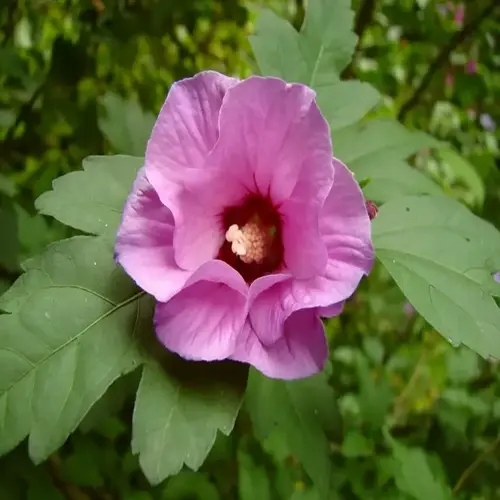

Yes, morning glories toxic to pets is a real concern for pet owners. The seeds are the most dangerous part of the plant for your cats and dogs. If your pet eats the seeds, they can get sick with vomiting, upset stomach, and other problems. The good news is that the risk level is low as long as you take basic steps to keep your pets away from the seed pods.
Morning glory seed toxicity comes from toxic compounds inside each seed. These chemicals are called alkaloids and they can make your pet sick fast. When a dog or cat chews and swallows the seeds, the alkaloids cause nausea, vomiting, and diarrhea. Larger amounts can lead to dilated pupils and odd behavior. The leaves and stems hold much less of this toxin. A quick nibble on a leaf is far less risky than eating a handful of seeds.
NC State Extension lists morning glories as toxic to cats, dogs, horses, and humans. They rate the severity as low, which means most cases don't end up being life-threatening. But low severity doesn't mean zero risk. A small dog that eats a large number of seeds can still have a bad reaction that needs a trip to the vet. It's best to treat the seeds as a real hazard and act to keep your pets away from them.
I grow morning glories on a tall trellis near my garage, far from the part of the yard where my dog plays. I chose that spot on purpose after reading about the risks. My dog loves to dig in the flower beds, so I didn't want to take any chances with seed pods falling where he could find them. This simple choice of planting location is the best thing I've done for morning glory pet safety in my own yard.
You should check your morning glory vines every week during late summer and fall for dried seed pods. These pods crack open and drop seeds on the ground where curious pets can find them. Pick the pods off the vine before they split and toss them in the trash. This keeps seeds from piling up on the ground near your plants. Make it a habit and you will cut the risk to your pets way down.
If you think your pet ate morning glory seeds, call your vet right away. Don't wait to see if symptoms show up. Tell the vet how many seeds your pet may have eaten and how long ago it happened. Most cases turn out fine with early care, but the faster you act the better the outcome will be for your pet. Keep the ASPCA poison hotline number saved in your phone too, just in case you need it on a weekend.
Here are some extra steps you can take to keep your pets safe around morning glory vines in your yard.
Plant On High Supports
- Best height: Keep your morning glory vines on trellises that are 5 feet or taller so seed pods stay out of reach for dogs.
- Location: Pick a spot far from your pet's play area and food bowls to cut down on the chance of contact.
- Fencing: Use a small garden fence around the base of the vine to block pets from digging near the roots and fallen seeds.
Clean Up Seed Pods
- Timing: Check vines every week from August through October when seed pods form and begin to dry out.
- Method: Snap off brown pods before they crack open and drop seeds on the ground below your vines.
- Disposal: Bag the pods and put them in the trash. Never toss them in your compost or on open ground.
Watch Your Pets Outdoors
- Behavior signs: Look for your pet sniffing or digging near the base of morning glory vines after a rain.
- Training: Teach your dog a strong leave it command to use if they show interest in the plants.
- Supervision: Don't leave young puppies or kittens alone near morning glory vines during seed season.
You don't have to give up morning glories just because you have pets. With the right planting spot and a weekly cleanup routine, you can enjoy these flowers and keep your animals safe at the same time. The key is to stay on top of seed pod removal and keep your vines away from the spots where your pets spend most of their time.
Read the full article: Morning Glory Flower Guide