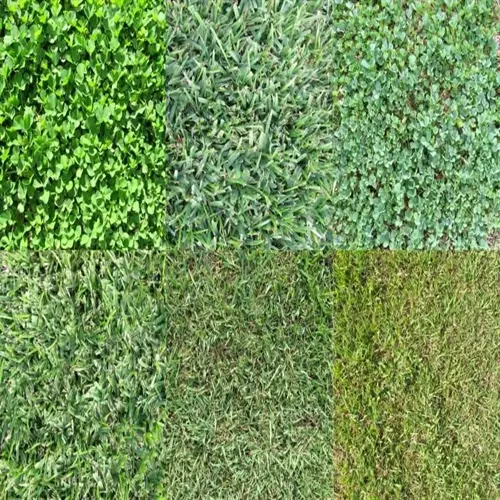

Choosing between bermuda or fescue depends on where you live and what you want your lawn to look like in winter. Bermuda grass thrives in USDA Zones 7 to 10 with hot summers and mild winters. Tall fescue performs best in Zones 3 to 8 where it handles both summer heat and cold winters while staying green all year long.
I've watched both grasses go head to head in my neighborhood, which sits right in the transition zone. Every November, the bermuda lawns turn straw brown and stay that way until late April. Meanwhile, the tall fescue yards keep their dark green color through the entire winter. That five-month color gap is the first thing visitors notice. It's the main reason more homeowners on my street have switched to fescue.
The biological trade-off between bermuda grass vs tall fescue comes down to how each grass grows and repairs itself. Bermuda sends out stolons above ground and rhizomes below ground. It patches over damage in a matter of weeks without any help from you. Tall fescue grows in clumps and can't spread to fill bare spots on its own. You need to overseed fescue every few years to keep it thick, while bermuda does that job itself.
But bermuda's spreading habit comes with a downside. It invades flower beds, sidewalk cracks, and your neighbor's yard if you don't keep it in check. Tall fescue stays where you plant it. Bermuda also needs full sun and won't survive under tree shade, while tall fescue handles 4 to 6 hours of partial shade without thinning out.
UC Davis rates tall fescue as excellent for drought and heat with low care needs. Bermuda demands moderate to high maintenance because it grows so fast in summer. You'll mow bermuda every 3 to 5 days during peak months to keep it from getting shaggy. Tall fescue needs just one mowing per week. That schedule gap alone makes a big difference if you're busy.
Water needs differ between these two grasses as well. Tall fescue's deep root system pulls moisture from 2 to 3 feet down in the soil. You can water less often and the grass still stays green. Bermuda has shorter roots but goes dormant during drought rather than dying. Both grasses survive dry spells, but fescue looks better while doing it because it holds its green color through the stress.
Heavy foot traffic is where bermuda earns its biggest advantage. Sports fields, playgrounds, and yards with active dogs do better with bermuda because it repairs damage fast through its spreading growth. Tall fescue tolerates moderate traffic but won't bounce back from heavy wear without overseeding. If your yard takes a beating from daily use, bermuda gives you a lawn that heals itself.
Here's the framework for your fescue versus bermuda lawn decision. Choose bermuda if you live in Zones 7 to 10, have full sun with zero shade, and need a lawn that handles heavy traffic. You'll deal with brown grass from November through April, but you get fast self-repair the rest of the year.
Choose tall fescue if you want year-round green color, have some shade in your yard, and prefer less time behind the mower each week. It works great anywhere in Zones 3 to 8 and costs less to keep up over time. Both grasses are tough, but matching the right one to your climate and daily use makes all the difference for your yard.
Read the full article: Tall Fescue Grass Guide for Homeowners