
The common name for tall fescue is simply "tall fescue." That's the plain English term for this popular lawn grass. The Latin name is long and hard to say. You'll never hear it at your local garden center or hardware store.
I ran into naming confusion at a seed shop last fall. Two bags of the same grass had different Latin names on their labels. One had the old Latin name on the label. The other bag showed the newer Latin name instead. Both bags held tall fescue seed. The clerk didn't know they were the same grass, and I've seen that same mix-up trip up homeowners who check their labels before buying.
The tall fescue scientific name has a messy history behind it. For over 60 years, this grass sat in the Festuca genus. Its full old name was Festuca arundinacea Schreb. Then DNA studies showed it didn't fit that group as well as experts once thought. Researchers moved it to a new genus based on that data.
Purdue University lists the current Latin name on their website. The old label still shows up on seed bags, books, and websites that haven't been updated. Both names point to the same grass. If you see either one on a product, you're getting tall fescue. The Schedonorus arundinaceus common name that people use day to day is just "tall fescue" and nothing else.
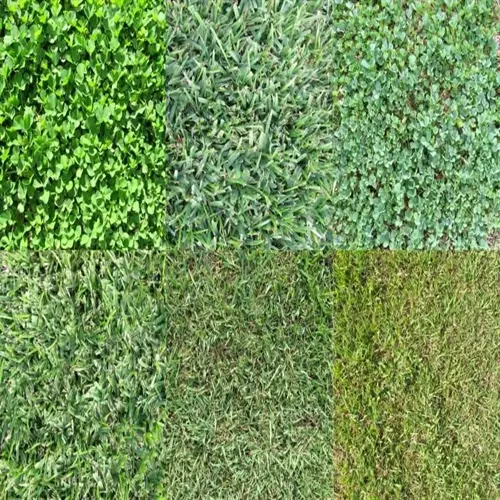
Some folks in the South and Midwest drop the word "tall" and just say "fescue grass." That shortcut can cause real problems for you at the store. Fine fescue is a whole different group of grass species. It includes creeping red, chewings, hard, and sheep fescue. These grasses have thin needle-like blades and grow best in shade. Tall fescue has wider blades and loves full sun. Buying the wrong type because you skipped one word can ruin your whole lawn project.
The shade and sun difference between these two groups matters a lot for your yard. If you plant fine fescue in a sunny front yard, it will thin out and burn by midsummer. If you put tall fescue under heavy tree shade, it will struggle to fill in and look patchy. Match the grass to your light conditions and you'll save yourself a failed seeding. Ask the staff at your garden center which type fits your yard if you're not sure.
You might also see "turf-type tall fescue" on bags at your garden center. This label tells you the seed contains modern lawn varieties rather than old pasture types like Kentucky 31. Turf-type versions have finer blades and tighter growth. Pasture types have rough, wide blades that look coarse in a yard. Always look for "turf-type" on the bag when you're buying seed for your lawn.
Here's what you need to know in short form. Tall fescue is the common name you should use when shopping or talking about your lawn. The Latin name changed once and may change again, but your seed bag will always say "tall fescue" in plain English. All the fancy Latin labels point to the same grass species. Don't let naming confusion stop you from picking up the right bag. Just look for the words "tall fescue" or "turf-type tall fescue" on the front of the package and you're all set.
I tell every homeowner who asks me about grass names the same thing. Ignore the Latin and focus on what matters for your yard. You want turf-type tall fescue seed from a trusted brand. Check the label for germination rate above 85% and a test date within the last 9 months. Those numbers tell you way more about seed quality than any Latin name printed on the bag. Your lawn won't care what scientists call it as long as you plant fresh, high-quality seed.
Read the full article: Tall Fescue Grass Guide for Homeowners