
A tall fescue good lawn ranks among the best choices you can make for a low-care, drought-tough yard. This grass handles heat and dry spells better than any other cool-season option. You get a green lawn that lasts through summer without running your sprinklers every other day.
I saw this play out on my own street last July. My tall fescue lawn held its dark green color through three weeks of 90-degree heat. The Kentucky bluegrass yards next door turned brown and went dormant by mid-month. That summer contrast sold me on tall fescue for good. My neighbors kept asking what product I was using, but the secret was just picking the right grass for our zone.
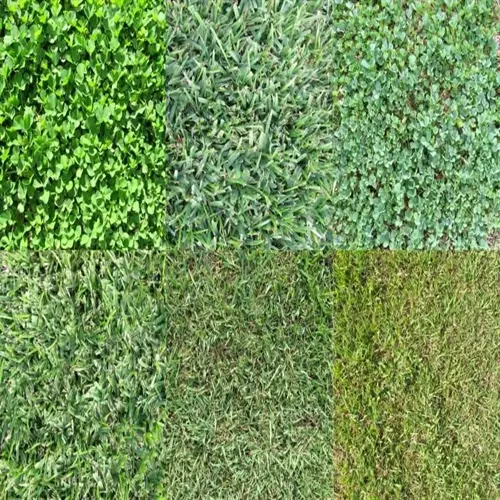
The tall fescue lawn quality you see today has changed a lot from past decades. Old pasture types like Kentucky 31 had rough, wide blades that looked coarse in any yard. Breeders have created turf-type varieties with finer blades and tighter growth that match bluegrass in visual appeal. Names like Titanium, Rebel IV, and Regenerate give you a lawn that looks soft and manicured up close.
Iowa State Extension gives tall fescue the highest heat and drought rating of all cool-season grasses. Its roots push down 2 to 3 feet into the soil to find water that other grasses miss. UC Davis backs this up with an excellent score for both heat and drought. You can water just 3 to 5 times across a whole summer and your lawn stays alive. Bluegrass needs weekly soaking to survive the same heat.
Shade works in your favor too. Tall fescue grows well with 4 to 6 hours of partial shade each day. Bermuda grass and ryegrass thin out fast under tree cover. Your tall fescue yard won't develop those patchy bare spots that sun-loving grasses get under scattered trees.
Three things separate a great tall fescue lawn from a poor one. First, pick turf-type varieties because they beat old pasture types in every way that matters. Second, set your mower at 3 to 3.5 inches so the thick canopy blocks weeds from getting sunlight. Third, overseed each fall to keep your lawn dense since tall fescue grows in clumps and won't fill gaps on its own.
So is tall fescue good for yards in your part of the country? If you live in USDA Zones 3 through 8, the answer is yes. You get green color all year long, low water bills, and turf that holds up to kids and pets. Add 5 to 10% Kentucky bluegrass to your seed mix and the bluegrass fills in bare spots while fescue does the hard work through summer stress. That combo gives you the best of both grasses in one lawn.
Read the full article: Tall Fescue Grass Guide for Homeowners