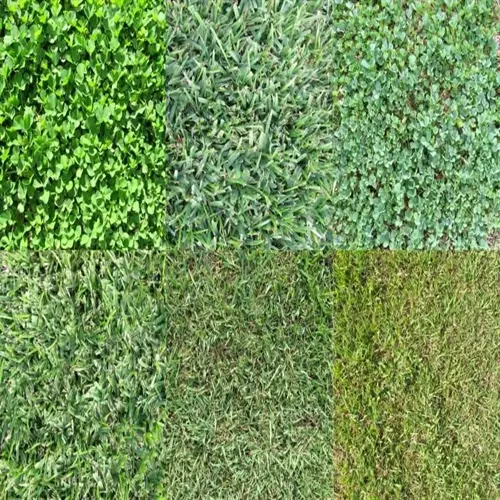

The key difference between fescue and tall fescue is that fescue covers an entire family of grass species. Tall fescue is just one member of that big family. Saying "fescue" is like saying "oak" without naming white oak or red oak. The fescue genus holds dozens of species, and each one looks and grows in its own way.
I watched this confusion happen at a garden center a few years back. A homeowner grabbed a bag labeled "fescue blend" thinking it was tall fescue for his sunny front yard. That bag held fine fescue seed meant for deep shade. He planted it in full sun and the whole lawn thinned out by July. That mix-up cost him a full growing season and another bag of seed.
With the fescue types explained in simple terms, the family breaks into two main groups that homeowners care about. Tall fescue (Schedonorus arundinaceus) is the big, tough member with wide blades and deep roots that handle heat, drought, and foot traffic. Fine fescue is a group of smaller species including creeping red, chewings, hard, and sheep fescue. These have thin, needle-like blades and prefer cool shade over hot sun.
Purdue University notes that tall fescue has coarse blades with rolled vernation. Each new leaf comes out rolled rather than folded. This trait helps you spot it in the field. Improved cultivars have finer blades than old Kentucky 31, but they still look wider than fine fescue. Scientists also changed the Latin name, which adds more confusion to seed labels you see at the store.
Tall Fescue Strengths
- Drought tolerance: Deep roots reaching 2 to 3 feet let tall fescue survive summer heat that kills fine fescue within weeks.
- Traffic resistance: Handles kids, pets, and foot traffic without wearing thin, making it ideal for active yards and play areas.
- Sun preference: Performs best in full sun to partial shade with at least 4 hours of direct sunlight each day for strong growth.
Fine Fescue Strengths
- Deep shade tolerance: Grows well under dense tree canopy where tall fescue and most other lawn grasses thin out and fail.
- Low maintenance needs: Requires less mowing, less fertilizer, and less water than tall fescue in the right growing conditions.
- Fine texture: Produces a soft, carpet-like lawn with very thin blades that feel pleasant underfoot in low-traffic areas.
Key Differences at a Glance
- Blade width: Tall fescue blades measure 5 to 8 mm wide while fine fescue blades run just 1 to 2 mm across.
- Root depth: Tall fescue sends roots down 2 to 3 feet compared to fine fescue roots that stay in the top 8 to 12 inches of soil.
- Growth habit: Both grow as bunch-type grasses, though creeping red fescue spreads slowly through short rhizomes unlike the others.
When comparing tall fescue vs fine fescue for your yard, the decision comes down to sunlight and traffic. Pick tall fescue if your lawn gets 4 or more hours of sun and your family uses the yard for play, pets, or parties. Choose fine fescue if you have heavy tree cover and light foot traffic. You can also mix the two in a single lawn, using tall fescue for sunny open areas and fine fescue under the trees.
Check your seed bag labels before you buy anything. Look for the exact species listed in the fine print, not just the word "fescue" on the front of the bag. A bag of turf-type tall fescue should list cultivar names like Titanium, Rebel, or Regenerate. A fine fescue blend will list creeping red, chewings, or hard fescue instead. Getting this right at the store saves you from a failed lawn and a wasted growing season.
Read the full article: Tall Fescue Grass Guide for Homeowners