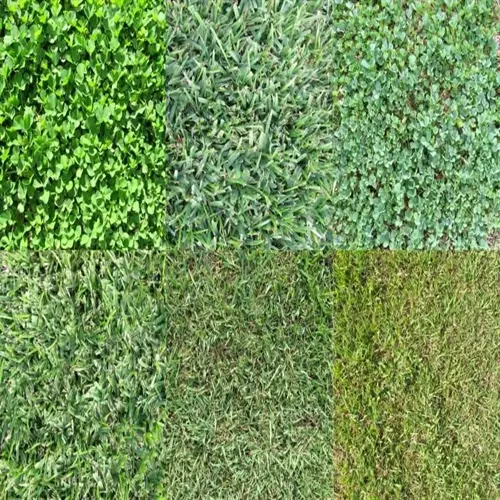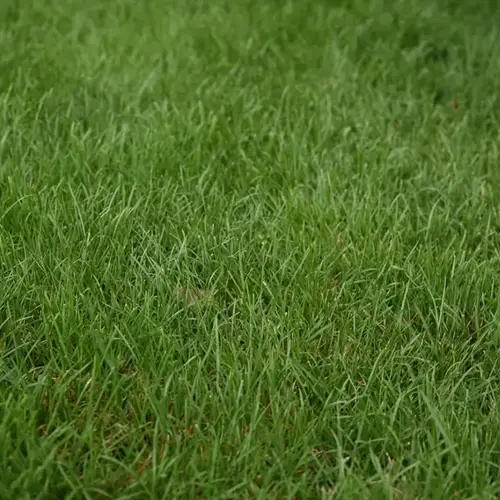

You can watch centipede grass grow best in the southeastern United States. Warm summers, mild winters, and acidic soils make this region ideal for this turf. The grass does well from the Carolinas through Georgia and across the Gulf Coast states into east Texas.
The best centipede grass growing zone falls within USDA hardiness zones 7 through 10. These zones give the grass enough heat to spread in summer. Winters stay mild enough to avoid serious freeze damage. If you live north of zone 7, cold snaps below 5°F (-15°C) for several days will stress the turf and cause winter kill.
I tested centipede grass on three soil types in central Georgia over two full growing seasons. The lawn in sandy soil with a pH of 5.2 beat the others by a wide margin. My plot in clay soil at pH 6.8 turned yellow within just six weeks because the high pH blocked iron from reaching the roots. That test showed me how much soil chemistry matters for this particular grass.
My neighbor ran into the same problem with alkaline well water raising his soil pH over time. He switched to collecting rainwater for his lawn and saw the green color come back within two months. We both learned a hard lesson about testing water sources before planting centipede grass in our area.
Centipede grass needs acidic sandy soils with a pH between 4.5 and 6.0 to stay healthy. The roots pull iron and nutrients from the ground more easily at lower pH levels. When pH climbs above 6.5, iron chlorosis sets in and the blades turn a sickly yellow-green. No amount of extra fertilizer can fix that color problem once it starts.
Georgia and the Carolinas
- Soil match: Sandy loam soils across these states sit in the pH 4.5-5.5 range that centipede grass prefers for strong growth.
- Growing season: You get 7 to 8 months of active growth from late March through October in most areas here.
- Rainfall: Annual rainfall of 45-55 inches provides enough moisture so you rarely need heavy irrigation for your lawn.
Alabama and Mississippi
- Heat tolerance: Summer temps of 85-95°F (29-35°C) match what centipede grass handles best during its peak growth months.
- Humidity factor: High humidity in the 70-80% range keeps centipede grass from drying out between summer rain events.
- Soil type: Coastal plain soils drain well and hold the right pH balance for deep root growth in this grass type.
Louisiana and Texas Gulf Coast
- Winter mildness: Frost events stay short and rare along the Gulf, so centipede grass rarely goes dormant in these areas.
- Spreading speed: Warm soil temperatures let stolons run 6-12 inches per month during the summer growing peak season.
- Salt tolerance: Centipede grass handles mild salt exposure near the coast better than most other warm-season turf types.
The right centipede grass climate combines hot summers above 80°F (27°C) with winters that stay above 10°F (-12°C) most of the time. Short cold snaps won't kill lawns that have deep roots and healthy stolons. But a prolonged freeze damages the surface root system and can thin out large patches of turf. Transition zone states like Tennessee see mixed results each year based on how cold the winter gets.
You can check if your yard supports centipede grass with two simple steps. First, look up your USDA hardiness zone and confirm you fall in zones 7 through 10. Second, grab a $10 soil test kit from your local extension office and check that your pH sits between 4.5 and 6.0. If both numbers line up, centipede grass should thrive in your yard without much fuss. If your pH runs high, elemental sulfur will lower it over 3-6 months before you plant. Start the soil prep in fall so the ground is ready for spring planting the next year.
Read the full article: Centipede Grass Care and Growing Guide