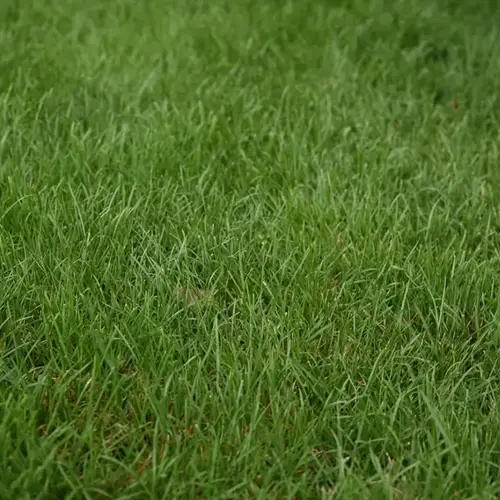

Yes, centipede grass spread happens through above-ground runners called stolons. These creeping stems grow along the soil surface and root at each node to form new plants. Unlike bermuda grass, centipede does not send out underground runners, so all of its spreading happens where you can see it.
I watched my centipede grass fill in a 3-foot bare patch in my front yard over one growing season. By late May the stolons started creeping out from the edges. By mid-August they had covered about half the gap. The patch closed up the rest of the way the following spring after the grass came out of dormancy.
Centipede grass stolons grow along the surface and put down roots at each node where they touch moist soil. This is the only way the grass spreads on its own since it produces no rhizomes at all. Bermuda grass uses both stolons and underground rhizomes, which is why it fills gaps so much faster. Centipede relies on a single method, so patience matters with this turf.
So how fast does centipede grass spread in a typical yard? During peak summer heat, stolons can push out 6-12 inches per month under good conditions. That rate drops in spring and fall when temps cool down. USDA Forest Service data shows that centipede grass grown from seed takes about 3 years to reach full coverage. Plugs and sod cut that time down to 1-2 seasons because you start with live runners already in the ground.
Seed set rates for centipede grass run between 59% and 90% through open pollination. That sounds high, but germination takes much longer than most other lawn grasses. Many homeowners get frustrated waiting for seed to fill in and switch to plugs or sod halfway through the process. I always tell people to start with plugs spaced 6-12 inches apart if you want results before the end of your second summer.
When I helped my brother plant centipede grass plugs in his South Carolina yard, we learned a few tricks that sped up the process. Keeping the soil moist but not soggy made the biggest difference. We watered lightly every other day for the first month. The stolons rooted faster and pushed out new growth within two weeks of planting.
You can speed up your centipede grass spreading with a few simple steps. Keep the soil surface moist during the first month so new stolon nodes can root down fast. Stay off fresh runners since foot traffic breaks the stems before they anchor. Top-dress thin spots with a light layer of sand or sandy loam to give stolons good contact with the ground. Cut your mower height down to 1.5 inches to let sunlight hit the soil surface where new runners need to take hold.
Don't dump fertilizer on bare areas to speed things up. Too much nitrogen makes your existing grass grow tall instead of sending out new runners. One light feeding of 0.5 lbs nitrogen per 1,000 sq ft in early June is all you need. That small dose gives your centipede grass enough energy to spread without pushing extra blade growth you don't want.
Read the full article: Centipede Grass Care and Growing Guide