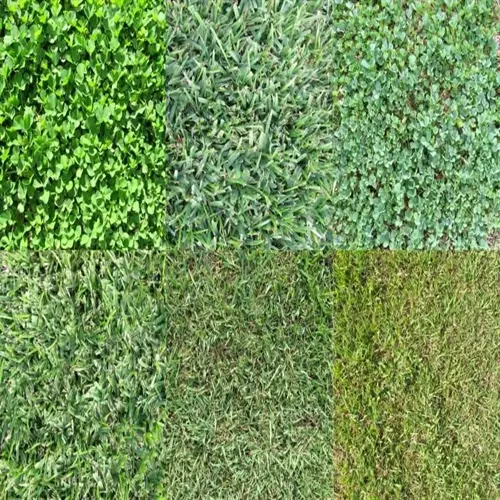

Choosing between St. Augustine or centipede grass comes down to how much time you want to spend on your lawn each week. Centipede grass fits homeowners who prefer a low-effort yard. St. Augustine rewards those willing to put in more work with a thicker, denser carpet of green.
I grew both grass types side by side in my backyard for a full year to test them. My centipede grass section needed about 30 minutes of care per week between mowing and watering. The St. Augustine side took close to 90 minutes because it grew faster and needed more water. I also had to feed it more often to keep it looking thick and lush.
The centipede grass vs st augustine debate often starts with nitrogen needs. Centipede grass thrives on just 1-2 lbs of nitrogen per 1,000 sq ft per year. St. Augustine needs 2-4 lbs to maintain its dense look. That gap means less fertilizer to buy and fewer weekends spent pushing a spreader across your yard.
Centipede grass handles shade better than most people think. It tolerates 47-63% shade levels and still grows at a healthy pace. St. Augustine does fine in partial shade too, but it needs more sun hours to produce that thick turf. Both grasses struggle in full shade under dense tree canopies though.
When you look at st augustine vs centipede maintenance over a full season, the gap grows even wider. St. Augustine needs mowing every 5-7 days at a taller 2.5-4 inch height. Centipede grass only needs a trim every 7-14 days at just 1-2 inches. That slower growth rate saves you hours each month during the hot summer peak.
When I first started testing these grasses, I expected St. Augustine to win on every measure. But centipede surprised me with how green it stayed on so little care. A friend of mine switched from St. Augustine to centipede three years ago after getting worn out by the weekend work. His water bill dropped by $40 per month in summer. He stopped buying fertilizer bags every other month too.
The tradeoff he noticed was a thinner lawn that took longer to fill in bare spots. St. Augustine patches over damage in weeks. Centipede can take a full season to close the same gap. If you have dogs or kids running on the turf, that slow recovery time matters a lot.
Pick centipede grass if you want a low-effort green lawn that stays healthy without constant feeding and watering. Pick St. Augustine if you want the thickest, most lush turf on your street and don't mind extra hours to keep it that way. Both grasses work great in the Southeast, so the right answer depends on your schedule and how much you enjoy yard work on the weekends.
Read the full article: Centipede Grass Care and Growing Guide