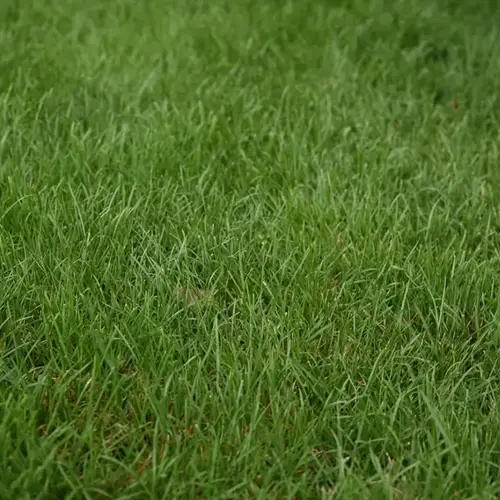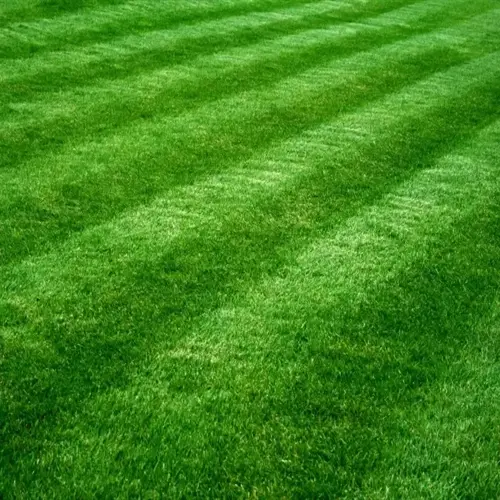

What is rye grass good for? You can use it for lawn turf, winter overseeding, livestock feed, cover cropping, and erosion control. Few grasses match its speed or range of jobs, which explains why it shows up in so many seed mixes at your local garden store.
I spread annual ryegrass over my dormant Bermudagrass lawn one October. The yard had turned tan and lifeless after the first frost hit. Within 7 to 10 days, bright green sprouts covered every bare spot. By Thanksgiving, it looked like mid-spring outside my front door. In my experience, a $15 bag of seed and some water is all you need for this kind of change.
On the farm side, ryegrass uses include top-quality livestock feed and soil protection. Dairy and beef farmers plant it for cool-season grazing. Each cutting offers 14 to 18% crude protein based on Mississippi State Extension data. That protein keeps your animals healthy without costly grain supplements.
You can also plant rye grass good for erosion control on bare hillsides and new construction sites. Its roots grip the soil within days of sprouting and hold loose dirt in place during heavy rains. This fast ground cover stops topsoil from washing away while you wait for permanent plants to take root.
Ryegrass roots also work as nitrogen catchers beneath the soil surface. Your ryegrass cover crop absorbs 43 to 60 pounds of nitrogen per acre that would wash into streams and rivers without it. This saves you money on fertilizer for the next crop you plant in that same field.
Sports turf managers trust ryegrass for the world's top playing surfaces too. Wimbledon has used 100% perennial ryegrass on its courts since 2001. NFL stadiums and golf courses pick it for the same reasons. It handles heavy foot traffic and bounces back from damage fast. The fine leaf texture gives fields that polished look you see on TV.
Annual Ryegrass
- Best for: Winter overseeding, cover cropping, and fast erosion control on bare slopes and construction sites.
- Seeding rate: Use 5 to 6 lbs per 1,000 square feet for overseeding your lawn or 20 to 30 lbs per acre for farm fields.
- Key trait: Sprouts in 4 to 7 days and dies after one season, so it won't compete with your warm-season grass come spring.
Perennial Ryegrass
- Best for: Permanent lawns in cool climates, athletic fields, and high-traffic areas that need tough turf year-round.
- Seeding rate: Use 6 to 8 lbs per 1,000 square feet for new lawns and 3 to 4 lbs for filling in thin patches.
- Key trait: Lives 3 to 5 years with good care and grows finer leaves than annual types for a cleaner look.
The ryegrass benefits add up when you look at the full picture. It sprouts faster than most other seeds. It feeds your animals with high-protein forage. It holds soil on slopes and captures excess nitrogen from the ground. Not many plants check that many boxes at the same time.
Match your ryegrass type to your goal and you'll get strong results. Use annual rye grass good for temporary jobs like winter color and cover crops. Choose perennial for permanent turf and sports fields. Water twice a day for the first 10 days after you spread seed and you'll see green coverage fast.
Timing your planting makes a big difference in how well your ryegrass performs. Spread seed in early fall when soil temps sit between 50 and 65°F for the fastest results. Spring planting works too, but your grass gets less time to build strong roots before summer heat arrives. Either way, ryegrass gives you more value per dollar than most other grasses you can buy at the store.
Read the full article: Rye Grass: Types, Uses, and Care