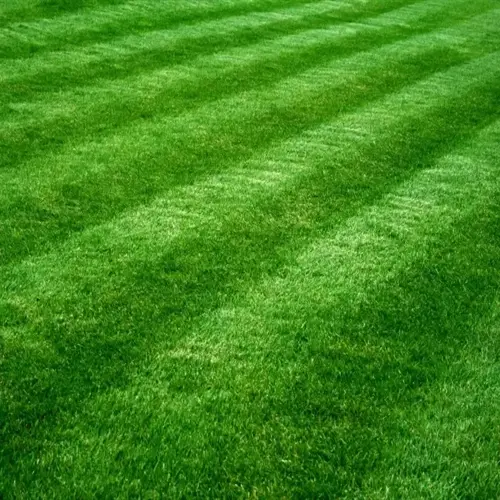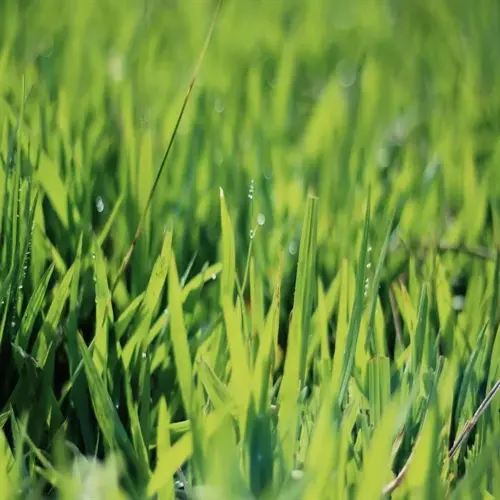

Yes, you can spread rye grass seed on top of your lawn or bare soil and get results. The seeds will sprout with just surface contact. But a few extra prep steps make a huge gap in how thick and even your new grass comes in. Bare seed on bare dirt works, but prepared soil works much better.
Your ryegrass seeding method makes more of a gap than most people think. A rotary broadcast spreader gives you the most even coverage on bigger areas. A drop spreader works better for tight spots and edges. Either way, your goal is to get seed touching bare soil. Seed sitting on top of dead grass or thick thatch won't root as well.
I ran a side-by-side test in my own yard to settle this question. On one half of a bare patch I just scattered seed and watered it. On the other half I raked the soil loose first, then spread seed, then pressed it in. Four weeks later the prepped side had about twice the density of the lazy side. Both sides sprouted, but the soil contact made all the gap.
Your ryegrass seeds need light to sprout, so don't bury them deep. But they also need moisture from the soil to trigger growth. The sweet spot is no more than 1/4 inch (0.6 cm) of soil on top. Press your seeds into the surface or give them a light rake after spreading. This gives you the right mix of light and moisture contact.
Your seeding rate changes based on what you're doing. For brand new lawns, spread 8-10 lb per 1,000 sq ft for full coverage. For overseeding into your existing lawn, drop to 3-5 lb per 1,000 sq ft since you don't need wall-to-wall new grass. Your soil temp should sit between 50-65°F (10-18°C) for the fastest sprout time.
Prepare the Surface
- Rake first: Scratch your soil with a metal rake to make small grooves that give seeds a place to nestle in.
- Mow low: Cut your existing grass to 1.5 inches before overseeding so new seeds get enough light to sprout.
- Clear debris: Remove leaves, sticks, and dead clippings that would block your seeds from touching the soil.
Spread and Press
- Two passes: Run your spreader in two directions at half rate for even coverage without bare strips.
- Roll after: Use a lawn roller or walk on the area to press seeds into your soil without burying them.
- Light topdress: A thin layer of compost over your seeds holds moisture and helps them sprout faster.
Water and Wait
- Frequent misting: Water your seed 2-3 times per day with light sprays for the first 7-10 days.
- Reduce over time: After sprouts appear, switch to once daily watering and then to a normal deep schedule.
- First mow timing: Wait until your grass reaches 3 inches tall before mowing to protect young roots.
The best time for planting ryegrass seed is early fall in most areas. Your soil temps drop into the ideal range for sprouting. Rainfall picks up in many regions too. The grass gets months of cool weather to build strong roots before summer hits. Spring seeding works too but gives your new grass less time to mature before the heat.
Don't overthink this job. You can get decent results by tossing seed on dirt and keeping it wet. But spending an extra 30 minutes on light raking and pressing will give you a lawn that looks twice as thick. That small time cost up front saves you from reseeding your thin spots again next year.
Read the full article: Perennial Ryegrass Guide for Lawns