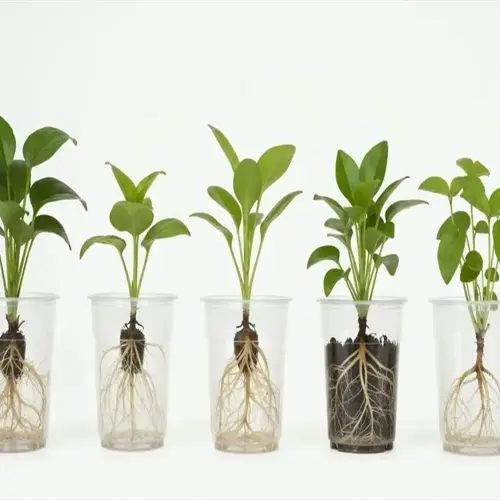

Yes, keeping plants in bedrooms safe and healthy for you to do. The old myth about plants stealing your oxygen while you sleep has no real backing from science. Your bedroom has so much air in it that a few plants could never make a dent in your oxygen supply.
I have kept a snake plant on my nightstand for over a year now with zero bad effects. My sleep has stayed the same or gotten better since adding greenery to my room. The air feels less dry during cold winter months when my heating runs all night long.
When I first heard about sleeping with houseplants, I had the same worries most people have. Would the plants use up my oxygen? Would I wake up feeling worse than before? None of that happened at all. I just got a prettier room and slightly moister air to breathe all night.
Some bedroom plants oxygen night concerns come from a basic fact that most people get wrong. Yes, plants do absorb a tiny bit of oxygen when the sun goes down. But the amount is so small that it would not matter even if you had 20 plants in your bedroom with you.
Snake plants and aloe vera use a special type of breathing called CAM that sets them apart from other plants. These clever species store carbon dioxide during the day and release oxygen at night instead. This makes them perfect for your bedroom since they work opposite to most plants you could buy.
A single plant takes in far less oxygen than a pet or another person sleeping in the same room with you. If you share your bed with a cat or dog, you already breathe air with much less oxygen than a plant would use. The concern about plants and oxygen simply does not hold up when you look at the math.
The safe bedroom plants that work best are snake plants, aloe vera, and spider plants for most homes. Snake plants need almost no care and look great on a nightstand or in a corner of your room. Aloe vera gives you the bonus of having gel on hand for minor burns or skin issues when you need it.
Spider plants grow fast and can hang from a hook near your window to save floor space in tight rooms. They also filter out common toxins like formaldehyde that can build up from furniture and carpets. Your bedroom air will feel fresher with any of these three options growing in your space.
Keep your bedroom plant away from heating vents that could dry it out too fast and stress it. Put it where it gets some indirect light during the day but stays out of direct sun beams. A happy plant in the right spot will boost your room's look and give you slightly better air all night long.
Read the full article: 15 Top Air Purification Plants for Cleaner Indoor Air