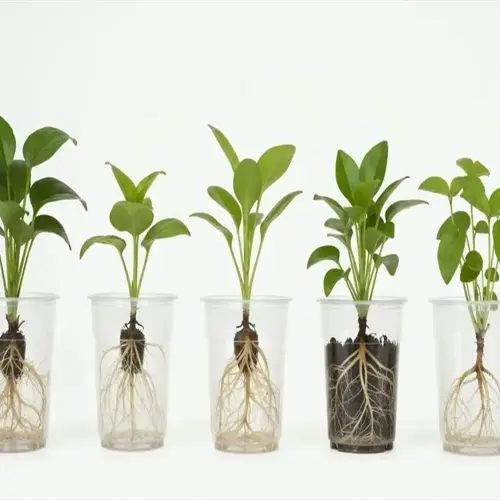

Introduction
Your home air holds 2 to 5 times more pollutants than the air outside. EPA research that studied homes all across the country for years confirms this fact. Most people never think about this when they spend time at home with their family and pets each day. These 15 top air purification plants for cleaner indoor air can help you tackle this hidden problem. They add beauty to your rooms while making your space feel fresh and alive all year long.
I started growing houseplants over a decade ago when my allergist said they might ease my dry winter symptoms. That single spider plant on my desk turned into over 40 plants spread across my home and office space over the years. The change in how my spaces feel and smell sold me on their real benefits for indoor air quality. My dry throat and irritated eyes went away after I filled my rooms with greenery that thrives year round inside my home.
Science backs up what plant lovers have known for years about green companions in your home. A 2024 PLOS ONE study found that just 5 plants raised office humidity from 29% to 39% in a matter of weeks. NASA research showed certain species remove toxins from the air around them. But newer studies tell us to stay realistic about what houseplants can do on their own without extra help from other sources.
Think of these plants as natural humidifiers that look beautiful rather than HVAC replacements. They work best when you combine them with good air flow in your home from fans or cracked windows. This guide shows you which varieties work best for your needs. You will learn how many you need for cleaner air in every room where you spend your time each day with your loved ones.
15 Top Air Purification Plants
I tested dozens of plants over the years to find which ones make the biggest impact in real homes. These 15 varieties earned their spot through NASA research and my own hands on time with each one. Top picks like the peace lily, snake plant, and spider plant lead the list for their proven toxin removal.
You will find everything from golden pothos and boston fern to dracaena and bamboo palm below. The areca palm and aloe vera work great in sunny spots. English ivy, rubber plant, chinese evergreen, weeping fig, and philodendron round out the list. There are choices for every skill level and home setup here.
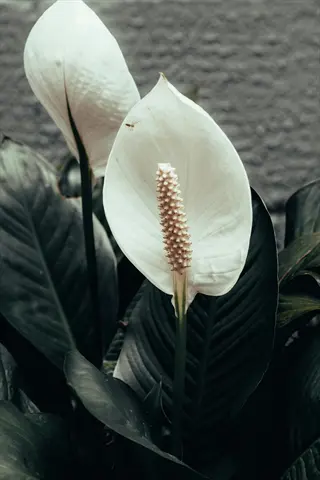
Peace Lily (Spathiphyllum)
- Air Purification: Removes formaldehyde, benzene, trichloroethylene, xylene, and ammonia, making it one of NASA's top performers in the Clean Air Study with exceptional versatility across multiple pollutant types.
- Humidity Benefit: Releases significant moisture through transpiration, helping maintain the 40-60% humidity range recommended for respiratory health and reducing dry air symptoms during winter months.
- Light Needs: Thrives in low to medium indirect light, tolerating fluorescent office lighting and north-facing windows where many other flowering plants would struggle to survive.
- Water Requirements: Keep soil consistently moist but not waterlogged, watering when the top inch (2.5 centimeters) feels dry, typically once weekly depending on your home's humidity levels.
- Growth Size: Reaches 1-4 feet (30-120 centimeters) tall depending on variety, with compact cultivars available for desks and larger specimens for floor placement in living areas.
- Pet Safety Warning: Toxic to cats and dogs if ingested, causing oral irritation, drooling, and difficulty swallowing, so keep elevated or in pet-free rooms for household safety.
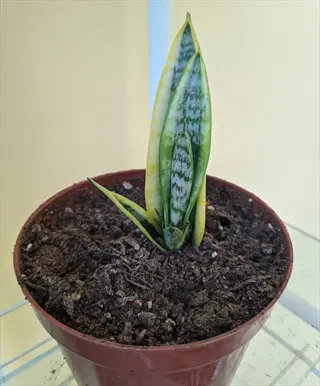
Snake Plant (Sansevieria trifasciata)
- Air Purification: Filters formaldehyde, benzene, xylene, and trichloroethylene while being one of few plants that continues converting carbon dioxide to oxygen at night through CAM photosynthesis.
- Drought Tolerance: Survives weeks without water and tolerates neglect well, making it ideal for travelers, busy professionals, or those new to houseplant care.
- Light Flexibility: Adapts to nearly any light condition from bright indirect sun to low-light corners, though growth slows in darker locations and variegation may fade over time.
- Bedroom Benefits: Releases oxygen at night unlike most plants, making it an excellent choice for sleeping areas where it can contribute to better air quality during rest.
- Size Varieties: Ranges from 6-inch (15-centimeter) dwarf cultivars perfect for windowsills to 4-foot (120-centimeter) specimens that make striking floor plants in modern interiors.
- Pet Consideration: Mildly toxic to pets causing nausea and vomiting if consumed, though the stiff upright leaves are less appealing to curious cats and dogs.
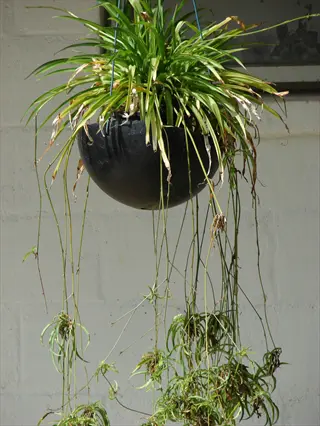
Spider Plant (Chlorophytum comosum)
- Air Purification: Removes formaldehyde, xylene, and carbon monoxide while NASA research showed it eliminated 95% of toxic substances in a sealed chamber within 24 hours.
- Pet Safe Choice: Non-toxic to cats and dogs, making it the go-to recommendation for pet owners wanting air purifying benefits without any risk to furry family members.
- Propagation Ease: Produces abundant plantlets on long runners that root in water or soil, allowing you to multiply your collection free of charge and share with friends.
- Resilience Factor: Tolerates irregular watering, temperature fluctuations, and various light conditions from bright indirect to moderate shade, recovering fast from care mistakes.
- Display Options: Works well in hanging baskets where cascading plantlets create dramatic visual interest, or on shelves and plant stands at various heights throughout your home.
- Growth Pattern: Reaches 12-15 inches (30-38 centimeters) in height with arching leaves spanning up to 3 feet (90 centimeters) wide when including trailing baby plants.
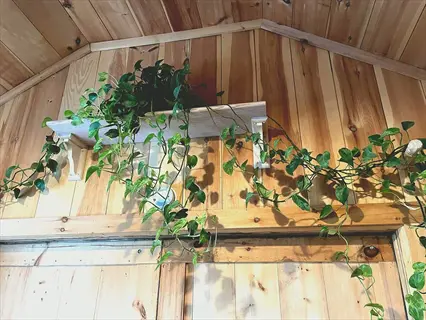
Golden Pothos (Epipremnum aureum)
- Air Purification: Removes formaldehyde, benzene, xylene, and carbon monoxide from indoor air, earning recognition in NASA studies for its pollutant-filtering capabilities.
- Growth Versatility: Trains up moss poles, trails from shelves, or grows in water for years, adapting to whatever display style suits your space and preferences.
- Low Light Champion: Survives in low light conditions where most plants fail, though growth accelerates and variegation improves with brighter indirect light exposure during the day.
- Care Simplicity: Requires watering only when soil dries out, about every 1-2 weeks, and communicates thirst through drooping leaves that perk up after hydration.
- Rapid Growth: Under good conditions, vines extend several feet per year, filling empty corners or creating lush green curtains across windows and room dividers.
- Toxicity Note: Contains calcium oxalate crystals toxic to pets and humans if ingested, causing mouth irritation and stomach upset, so position away from curious animals and children.
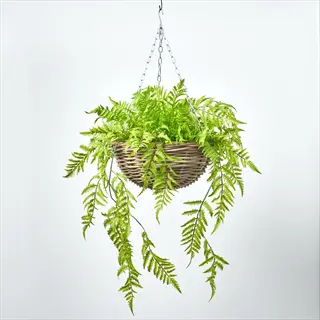
Boston Fern (Nephrolepis exaltata)
- Air Purification: Ranks among top formaldehyde removers in NASA research while excelling at filtering xylene and toluene found in paints, adhesives, and household cleaners.
- Humidity Champion: Releases substantial moisture through its abundant fronds, with studies showing ferns increase room humidity levels when grouped together in dry environments.
- Pet Friendly: Non-toxic to cats and dogs, providing worry-free air purification for households with pets who might nibble on accessible greenery throughout your home.
- Humidity Needs: Requires consistent moisture and 50% or higher humidity to thrive, making bathrooms and kitchens ideal locations, or use a pebble tray in drier rooms.
- Display Appeal: Arching fronds reaching 2-3 feet (60-90 centimeters) create stunning displays in hanging baskets, pedestals, or as centerpiece plants on dining tables.
- Maintenance Level: Needs more attention than succulents, including regular misting, consistent watering, and removal of brown fronds, suiting plant parents who enjoy hands-on care.

Bamboo Palm (Chamaedorea seifrizii)
- Air Purification: Filters formaldehyde, benzene, and trichloroethylene while adding tropical ambiance to rooms, scoring high across multiple pollutant categories in NASA testing.
- Humidity Production: Transpires significant moisture, contributing up to 1 quart (about 1 liter) of water daily to room humidity through its numerous palm fronds.
- Size Potential: Grows 4-12 feet (1.2-3.6 meters) tall indoors over time, making it a statement plant for corners, entryways, and spaces with high ceilings needing vertical interest.
- Light Preference: Prefers bright indirect light but adapts to medium-low light conditions, though growth rate slows and fronds may become leggy in darker locations.
- Pet Safety: Non-toxic to cats and dogs according to ASPCA, offering peace of mind for pet owners seeking larger air purifying plants without safety concerns.
- Care Requirements: Water when the top inch (2.5 centimeters) of soil dries, maintain moderate humidity, and fertilize monthly during spring and summer growing seasons.

Dracaena (Dracaena fragrans)
- Air Purification: Multiple dracaena varieties tested by NASA remove benzene, formaldehyde, trichloroethylene, and xylene, with Janet Craig and Warneckii cultivars showing strong results.
- Variety Options: Choose from compact Janet Craig for tabletops, striking Marginata with red-edged leaves, or towering Corn Plant specimens reaching 6 feet (1.8 meters) indoors.
- Drought Tolerance: Stores water in its cane-like stem, surviving 2-3 weeks between waterings once established, though yellowing leaves signal either over or underwatering needs attention.
- Light Adaptability: Handles low to bright indirect light, with variegated varieties needing more light to maintain colorful patterns while solid green types tolerate darker corners.
- Longevity Factor: Lives for decades with proper care, making it a long-term investment in your indoor environment that grows more impressive each year as it matures.
- Pet Warning: Toxic to cats and dogs, causing vomiting, depression, and loss of appetite if consumed, so place on high shelves or in rooms pets cannot access.
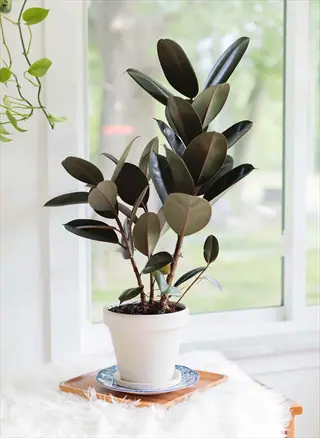
Rubber Plant (Ficus elastica)
- Air Purification: Removes formaldehyde well while its large, glossy leaves provide substantial surface area for trapping dust particles and improving overall indoor air clarity.
- Visual Impact: Thick, dark green or burgundy leaves reaching 8-12 inches (20-30 centimeters) long create bold architectural interest in modern and minimalist interior design schemes.
- Growth Potential: Can reach 6-10 feet (1.8-3 meters) indoors with proper care, though pruning controls height and encourages bushier growth for smaller spaces.
- Light Requirements: Thrives in bright indirect light, tolerates medium light conditions, but may drop leaves in low light or when moved between different environments.
- Watering Schedule: Allow top inch (2.5 centimeters) of soil to dry between waterings, reducing frequency in winter when growth slows and the plant needs less moisture.
- Safety Concern: Milky sap irritates skin and causes digestive upset in pets, so wear gloves when pruning and keep away from curious cats, dogs, and young children.
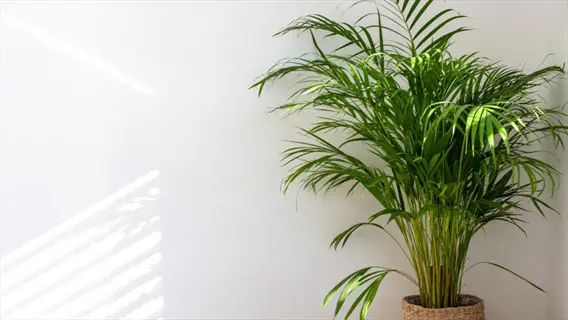
Areca Palm (Dypsis lutescens)
- Air Purification: Rated among NASA's top air purifiers for removing formaldehyde, xylene, and toluene while producing more oxygen than many comparable houseplants during daylight hours.
- Humidity Powerhouse: Releases about 1 quart (about 1 liter) of water vapor every 24 hours, making it great at combating dry indoor air during heating seasons.
- Growth Dimensions: Reaches 6-8 feet (1.8-2.4 meters) tall with a 3-4 foot (0.9-1.2 meter) spread at maturity, creating a substantial tropical presence in living rooms and offices.
- Light Needs: Requires bright indirect light to thrive, making it best suited for rooms with large windows, sunrooms, or near sliding glass doors with filtered sunlight.
- Care Level: Needs consistent moisture and humidity, regular fertilizing during growing season, and occasional spider mite monitoring, suiting intermediate plant enthusiasts.
- Pet Compatibility: Non-toxic to cats and dogs, making this humidity-boosting palm a safe choice for households with pets who like exploring houseplants.
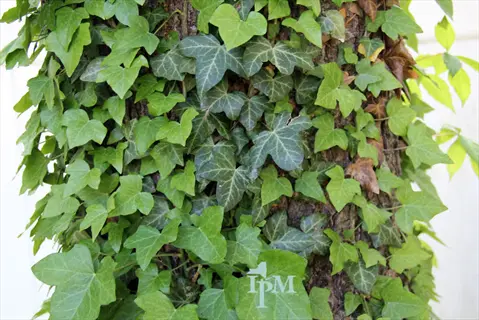
English Ivy (Hedera helix)
- Air Purification: NASA research identified strong benzene removal capabilities while separate studies suggest effectiveness at reducing airborne fecal matter particles and mold spores in bathrooms.
- Versatile Display: Grows as trailing vines in hanging baskets, climbs trellises and moss poles, or spreads as ground cover in large planters and conservatory settings.
- Temperature Preference: Prefers cooler conditions between 50-70 degrees Fahrenheit (10-21 degrees Celsius), making it ideal for unheated rooms, entryways, and north-facing windows.
- Watering Balance: Keep soil moist but never soggy, as ivy is susceptible to root rot in waterlogged conditions yet browns fast if allowed to dry out all the way.
- Pest Awareness: Prone to spider mites in dry indoor environments, requiring regular leaf inspection and occasional showering or misting to maintain healthy foliage throughout the year.
- Toxicity Alert: Toxic to pets and humans, causing vomiting, diarrhea, and neurological symptoms if ingested, requiring careful placement away from children and animals.
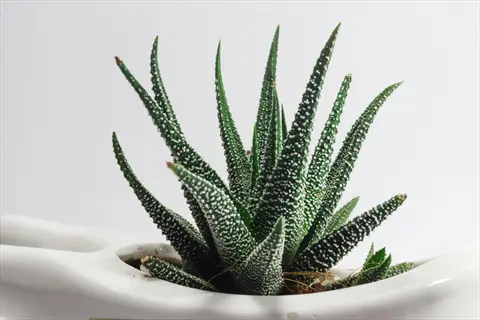
Aloe Vera (Aloe barbadensis)
- Air Purification: Removes formaldehyde and benzene while releasing oxygen at night through CAM photosynthesis, making it one of few plants suitable for improving bedroom air quality.
- Dual Purpose: Provides air cleaning benefits while gel inside leaves treats minor burns, cuts, and skin irritations, offering practical first-aid applications alongside purification.
- Light Requirements: Needs bright direct or indirect light for at least 6 hours daily, thriving on sunny windowsills and struggling in low-light areas common in many homes.
- Drought Adaptation: Stores water in thick succulent leaves, requiring watering only every 2-3 weeks and tolerating extended neglect better than most houseplants in your collection.
- Size Profile: Grows 12-24 inches (30-60 centimeters) tall with rosette formation, though mature plants can produce pups for propagation and eventual larger displays.
- Pet Caution: Toxic to cats and dogs causing vomiting, diarrhea, and lethargy if consumed, though the bitter taste often deters pets from repeat nibbling attempts.
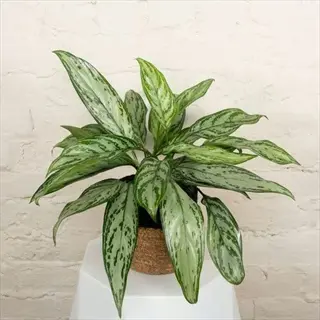
Chinese Evergreen (Aglaonema)
- Air Purification: Filters benzene and formaldehyde well while tolerating challenging indoor conditions, making it a practical choice for air quality improvement in various room types.
- Color Variety: Available in stunning patterns from silver and green to pink and red variegations, adding decorative appeal beyond air purification benefits to your interior design.
- Low Light Expert: One of the most low-light tolerant air purifying plants, thriving in dim offices, bathrooms without windows, and north-facing rooms where other plants fail.
- Watering Forgiveness: Tolerates occasional missed waterings and recovers fast from drought stress, though consistent moderate moisture produces the healthiest, most attractive growth.
- Humidity Appreciation: Grows best in humid conditions above 50% but adapts to average home humidity levels with occasional browning at leaf tips in very dry environments.
- Pet Risk: Toxic to cats and dogs due to calcium oxalate crystals, causing oral pain, drooling, and difficulty swallowing if leaves are chewed or consumed.
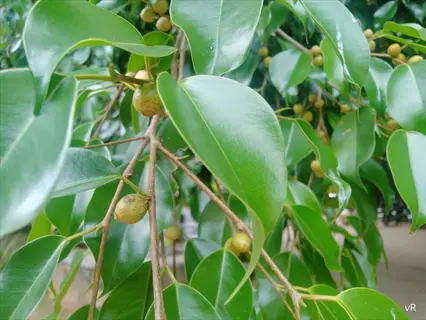
Weeping Fig (Ficus benjamina)
- Air Purification: NASA research showed effective removal of formaldehyde, xylene, and toluene, with its abundant foliage providing significant surface area for trapping airborne particles.
- Mature Beauty: Grows into an elegant indoor tree reaching 3-6 feet (0.9-1.8 meters) with arching branches and dense canopy of small glossy leaves creating sophisticated ambiance.
- Light Sensitivity: Requires bright indirect light and consistent placement, often dropping leaves when moved or subjected to sudden environmental changes in your home.
- Watering Precision: Needs even moisture without waterlogging, requiring water when the top 2 inches (5 centimeters) of soil feel dry to touch with thorough drainage.
- Acclimation Period: Expect some leaf drop when first bringing home as the plant adjusts to new conditions, with stabilization occurring over several weeks of consistent care.
- Safety Note: Milky sap causes skin irritation and is mildly toxic to pets, causing digestive upset if ingested, so handle with care and position in a safe spot.
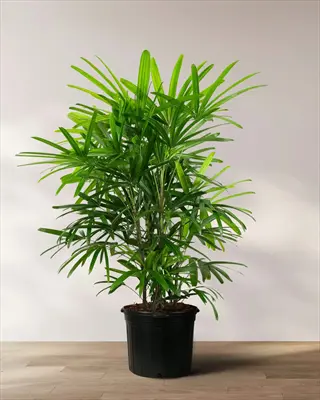
Lady Palm (Rhapis excelsa)
- Air Purification: Removes formaldehyde and ammonia while producing humidity through transpiration, combining multiple air quality benefits in one attractive tropical specimen.
- Slow Growth: Grows only 6-12 inches (15-30 centimeters) per year, maintaining manageable size for years without frequent repotting while increasing in beauty and value over time.
- Light Flexibility: Adapts to low to bright indirect light conditions, making it suitable for various room placements from dim corners to positions near bright windows.
- Elegant Form: Fan-shaped fronds on bamboo-like canes create refined tropical aesthetic perfect for living rooms, offices, and anywhere you want sophisticated greenery.
- Longevity: Can live for decades with proper care, making the higher initial cost worthwhile as a long-term investment in both air quality and interior beauty.
- Pet Friendly: Non-toxic to cats and dogs according to ASPCA guidelines, allowing pet owners to enjoy this elegant palm without safety concerns for four-legged family members.
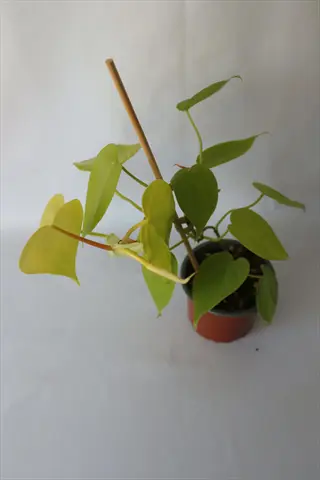
Philodendron (Philodendron species)
- Air Purification: Multiple philodendron varieties remove formaldehyde well, with heartleaf philodendron noted in NASA research for indoor air quality improvement capabilities.
- Growth Options: Choose from vining heartleaf varieties perfect for trailing displays or upright tree philodendrons making bold floor statements in corners and entryways.
- Beginner Success: Forgiving of care mistakes, tolerating inconsistent watering, various light levels, and general neglect while still producing attractive, healthy growth.
- Propagation Ease: Roots from stem cuttings in water or soil, allowing free multiplication of your collection and sharing with friends interested in starting their plant journey.
- Adaptable Nature: Thrives in low to bright indirect light, average humidity, and temperatures between 60-80 degrees Fahrenheit (15-27 degrees Celsius) found in most homes.
- Toxicity Warning: Contains calcium oxalate crystals toxic to pets and humans if ingested, causing mouth irritation and digestive distress requiring placement away from curious animals.
How Plants Purify Indoor Air
Plants clean your indoor air through three main processes that work together around the clock. Knowing how each one works helps you get the most from your green collection at home.
The first process happens through tiny pores called stomata on plant leaves. These stomata act like small air filters that pull in gases from the air. They grab formaldehyde, benzene, and trichloroethylene from the air. The plant then breaks down these VOCs through its natural processes. NASA found that roots and soil microorganisms do much of this VOC removal work too.
The second process is transpiration where plants release water vapor through their leaves. This works like a natural humidifier that raises the moisture level in your rooms. A 2024 study showed that 5 plants raised office humidity from 29% to 39% in just a few weeks. Higher humidity helps your skin, throat, and breathing comfort.
The third process involves plants releasing compounds that fight airborne microbes. Research shows indoor plants can cut airborne bacteria and mold by up to 50% compared to rooms without greenery. This happens through natural chemicals the plants give off as part of their defense systems.
Here is the honest truth about the air purification process though. A 2019 study found you would need 10 to 1,000 plants per square meter to match what basic building ventilation does for VOC removal. Chamber studies like NASA's used sealed spaces that do not reflect real homes with open windows.
The real benefits come from humidity and how plants make you feel each day. Think of your plants as helpers that boost what your HVAC does rather than replacements for it.
Pet Safety Guide for Air Purifying Plants
Over 65% of homes have pets which makes knowing which plants are safe a must for most readers. I learned this the hard way when my cat nibbled on a peace lily years ago. The quick trip to the vet taught me to check every plant before bringing it home.
The good news is that 5 of the top 15 air purifying plants are pet friendly plants safe for your home. Non-toxic houseplants like spider plants, boston ferns, and palms give you great options. You can still enjoy cleaner air without risking your furry friends based on ASPCA guidelines.
Some plants are toxic to cats while others are toxic to dogs or both. If you have a climber or a chewer, stick to safe plants for pets only. Place any toxic plants on high shelves or in rooms your pets cannot enter. Watch for signs like drooling, vomiting, or trouble swallowing if you think your pet ate something bad.
Room-by-Room Placement Guide
Where you put your plants matters as much as which ones you pick for your home. Each room has different light, humidity levels, and air flow that affect which plants will thrive there. I spent years moving plants around before I learned to match them to the right spots from the start.
The 2024 PLOS ONE study showed that 5 plants raised humidity from 29% to 39% in an office setting. This proves that smart plant placement can make a real difference in your comfort at home. Low light rooms need different plants than sunny kitchen plants or steamy bathroom plants.
Bedroom Plant Selection
- Oxygen at Night: Choose snake plants or aloe vera that release oxygen during darkness through CAM photosynthesis, unlike most bedroom plants that absorb oxygen at night.
- Humidity for Sleep: Position 2-3 medium plants to raise humidity levels closer to the 40-60% range for comfortable breathing and reducing dry throat symptoms overnight.
- Low Maintenance Priority: Select drought-tolerant options requiring infrequent watering since bedroom plants often get overlooked during busy mornings and evening routines.
- Size Considerations: Floor plants work in corners while smaller spider plants fit on nightstands without taking up space needed for lamps and personal items.
Bathroom Plant Options
- Humidity Lovers: Boston ferns and English ivy thrive in the humid bathroom plants environment, requiring less misting than when placed in drier areas of your home.
- Low Light Tolerance: Choose plants like pothos or Chinese evergreen that handle windowless or small-window bathrooms common in many home designs.
- Mold Consideration: While plants add humidity, ensure adequate ventilation to prevent mold growth in soil, using pots with drainage holes.
- Compact Choices: Select trailing plants for high shelves or compact specimens for limited counter space to maximize greenery in small bathroom footprints.
Living Room Arrangements
- Statement Plants: Position larger specimens like rubber plants or areca palms in corners and beside living room plants groupings to create visual anchors.
- Grouping Strategy: Cluster 3-5 plants of varying heights together to create humidity microclimates and more noticeable visual impact throughout the space.
- Near Pollution Sources: Place peace lilies and philodendrons near new furniture or electronics that may off-gas volatile organic compounds into your space.
- Traffic Consideration: Choose sturdy upright plants in high-traffic areas rather than delicate ferns that may be knocked over by daily movement.
Home Office Setup
- Desk Companions: Small spider plants or compact Chinese evergreens add air purifying benefits within reach without taking up workspace on your desk.
- Screen Break Benefit: Position office plants in your line of sight to encourage regular eye breaks from screens and enjoy the calming effects of greenery.
- Air Quality Focus: Offices often contain printers and electronics releasing VOCs, making air-filtering plants beneficial in work areas.
- Low Maintenance Selection: Choose forgiving plants that tolerate inconsistent care during busy workdays when watering may slip from your list.
Kitchen Plant Placement
- Heat Tolerance: Select kitchen plants tolerating temperature swings from cooking, with Chinese evergreens and pothos handling variable conditions well.
- Herb Integration: Combine air-purifying houseplants with edible herbs on sunny windowsills to maximize growing space while improving air quality.
- Grease Considerations: Avoid plant placement near cooking areas where grease particles may coat leaves, positioning them across the room instead.
- Counter Space Solutions: Use hanging planters or wall-mounted options for trailing plants to add greenery without sacrificing counter space.
Plants vs Mechanical Air Purifiers
This air filtration comparison is one that most plant blogs skip over because the truth might surprise you. I own both air purifiers and dozens of plants so I can give you an honest look at what each one does well and where it falls short.
The hard numbers tell the real story here. Plants have a clean air delivery rate of just 0.023 cubic meters per hour on average. You would need about 680 plants in a 1,500 square foot home for VOC removal that matches a single HEPA filter. That is the natural vs mechanical reality.
The best approach uses both plants and HEPA filters in your home together. Let the air purifiers handle the heavy lifting for particles. Your plants boost humidity and make your space feel alive and calming each day.
Care and Maintenance Tips
About 30% of houseplants die in their first year due to care mistakes that are easy to avoid. Healthy plants with active root systems do a better job of cleaning your air than stressed ones. These plant care tips help you keep your green friends thriving with a simple indoor plant care routine.
I killed plenty of plants before I learned to follow a basic watering schedule. Paying attention to what each plant needs makes all the difference. Most varieties are low maintenance once you learn the key rules about humidity and feeding.
Watering Guidelines
- Moisture Check Method: Insert your finger 1-2 inches (2.5-5 centimeters) into soil before watering, as most plants prefer drying a bit between waterings.
- Drainage Importance: Use pots with drainage holes and empty saucers within 30 minutes of watering to prevent root rot, the leading cause of plant death.
- Seasonal Adjustment: Reduce watering by 25-50% during fall and winter when growth slows and evaporation drops due to lower light and cooler temps.
- Water Quality Tip: Let tap water sit overnight to release chlorine, or use filtered water for sensitive plants that show brown leaf tips.
Light Requirements
- Bright Indirect Rule: Most plants thrive 3-6 feet (0.9-1.8 meters) from windows with filtered light, avoiding direct sun that scorches leaves.
- Rotation Practice: Turn plants a quarter turn weekly to ensure even light on all sides, preventing lopsided growth and bare spots.
- Low Light Options: Snake plants, pothos, and Chinese evergreens handle low light well, though growth slows and colors may fade over time.
- Artificial Light Supplement: LED bulbs within 12 inches (30 centimeters) of plants can add light in dark corners, running 10-12 hours daily in winter.
Humidity Management
- Grouping Benefits: Clustering plants together creates humidity microclimates as each plant releases moisture through transpiration for shared benefits.
- Pebble Tray Method: Place pots on trays filled with pebbles and water to raise local humidity as water evaporates around the foliage.
- Misting Caution: While misting raises humidity for a short time, wet leaves can promote fungal growth, making pebble trays a safer choice.
- Target Range: Aim for 40-60% humidity for best plant health and air quality benefits, using a hygrometer to track levels in dry seasons.
Feeding and Repotting Schedule
- Growing Season Focus: Use fertilizer monthly from spring through early fall when plants grow, diluting to half the package strength.
- Winter Rest Period: Stop or reduce fertilizing from November through February when most houseplants slow down and need fewer nutrients.
- Repotting Signs: Roots coming out of drainage holes or circling the pot surface signal it is time to move up one pot size in spring.
- Pruning Benefits: Trim yellow leaves and leggy stems to direct energy toward healthy growth and improve air flow around the plant.
5 Common Myths
A few houseplants can completely purify your home's air and replace mechanical air filtration systems entirely.
Research shows you would need 10-1,000 plants per square meter to match standard building ventilation, making plants a supplement rather than replacement.
All air purifying plants release oxygen at night, making them perfect for bedrooms without any concerns.
Most plants absorb oxygen at night through respiration, though snake plants and aloe vera are exceptions that continue releasing oxygen after dark.
The NASA Clean Air Study proves that houseplants are highly effective air purifiers for typical homes.
The NASA study used sealed chambers, and a 2019 meta-analysis found these results do not translate to real building environments with normal air exchange.
Larger plants always purify more air than smaller ones, so bigger is always better for air quality.
Leaf surface area and root microorganisms matter more than overall size, making some compact plants equally effective as larger specimens.
Air purifying plants are universally safe and beneficial for homes with pets and young children.
Many popular air purifying plants like peace lilies, English ivy, and pothos are toxic to cats and dogs, requiring careful selection for pet owners.
Conclusion
Air purification plants offer real benefits for your home when you set the right goals. Houseplants boost humidity by 10 to 20 percentage points and reduce stress. These gains improve your indoor air quality and comfort.
Start with 3 to 5 plants per room to see results in how your space feels. Pick spider plants or boston ferns if you have pets. Add peace lilies in rooms pets cannot reach. Match your choices to each room in your home.
You do not need hundreds of houseplants to enjoy cleaner air at home. Combine plants with good air flow from windows or a HEPA filter. This adds up to natural air improvement and a healthy home environment.
Your journey toward better air starts with just one or two plants in rooms where you spend the most time. Pick a snake plant for your bedroom or a spider plant for your desk today.
External Sources
Frequently Asked Questions
Which plant is most effective for air purification?
Peace lilies rank among the most effective air purification plants, removing formaldehyde, benzene, and ammonia while also increasing humidity.
Do indoor plants actually improve air quality?
Plants provide proven humidity benefits and psychological improvements, though VOC removal requires many plants to match mechanical filtration.
What are NASA's top recommended air-purifying plants?
NASA's Clean Air Study highlighted:
- Peace lily
- Snake plant
- Spider plant
- English ivy
- Boston fern
- Bamboo palm
- Dracaena varieties
- Golden pothos
Is it safe to keep plants in bedrooms?
Most air purifying plants are safe for bedrooms, with snake plants and spider plants being excellent choices that release oxygen at night.
How do plants compare to mechanical air purifiers?
Mechanical purifiers remove particles faster, while plants add humidity and psychological benefits, making the combination most effective.
Which plants combat mold and bacteria?
Research shows indoor plants can reduce airborne microbes by 50 percent, with English ivy and peace lilies showing particular effectiveness.
What are the drawbacks of indoor air-purifying plants?
Potential drawbacks include:
- Mold growth in soil
- Allergens from pollen and spores
- Pet toxicity concerns
- Regular maintenance needs
- Limited VOC removal in practice
Where should I place air-purifying plants for maximum effect?
Place plants near pollution sources like new furniture, in rooms where you spend most time, and group several plants together for humidity benefits.
How many plants are needed to purify a room?
Research suggests 3-5 medium plants per 100 square feet (9.3 square meters) for humidity benefits, though VOC removal would require hundreds.
What are signs my indoor air quality needs plants?
Signs include:
- Dry skin and irritated eyes
- Static electricity buildup
- Frequent headaches indoors
- Stuffy or stale-smelling rooms
- Condensation on windows