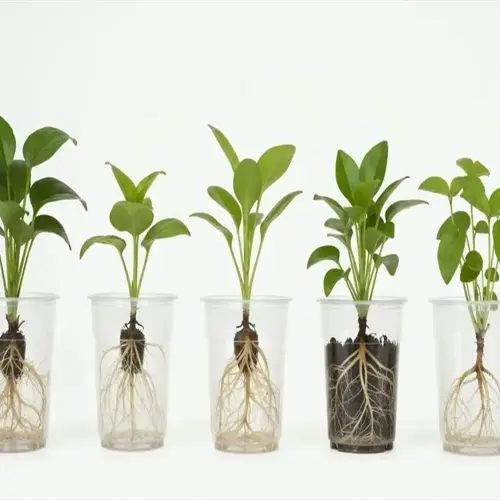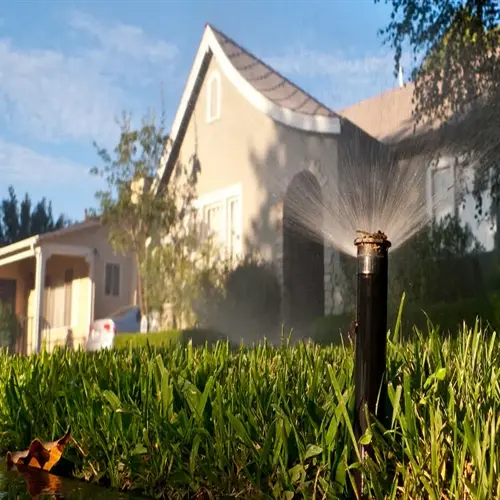

The main drawbacks air purifying plants bring include mold growth in soil, pet toxicity risks, and the care time they need from you. These issues are real and worth knowing about before you fill your home with greenery. The good news is that most problems have simple fixes if you plan ahead.
I learned about houseplant disadvantages the hard way when mold took over my peace lily pot last year. I had been watering it too much without letting the soil dry out between drinks. White fuzzy spots appeared on the dirt, and my allergies got worse until I fixed the problem by repotting with fresh soil.
When I first noticed the mold, I almost threw the whole plant away in disgust. But a friend told me to just let the soil dry more between waterings and add better drainage holes. That simple change saved my plant and stopped the mold from coming back at all.
Soil mold is one of the biggest problems with indoor plants that people forget to mention. Wet dirt creates the perfect home for spores that can float up into your air each time you water. The American Lung Association warns that this can make allergies worse for people who are prone to reactions.
Dust builds up on plant leaves faster than most people expect it to over time. Those broad leaves that look so nice also act like shelves for particles in your air. You need to wipe them down at least once a month or the plants become part of your dust problem rather than the fix.
Pet safety creates serious air purifying plant concerns for anyone with cats or dogs at home. Many popular plants like peace lilies, pothos, and English ivy are toxic if your pets chew on them. Even a small nibble can cause vomiting, drooling, or worse symptoms that need a vet visit right away.
The time and effort plants need can catch new owners off guard when they start building a collection. Each plant has its own water, light, and feeding schedule that you have to track and follow. Skip too many waterings or put them in the wrong spot and they die on you within weeks.
Flowering plants like peace lilies release pollen that bothers some people with hay fever or asthma issues. The same blooms that make these plants pretty can trigger sneezing fits and itchy eyes for sensitive folks. You might need to stick with non-flowering varieties if allergies run in your family.
You can avoid most of these issues with some smart choices from the start of your plant journey. Pick pet-safe options like spider plants or Boston ferns if you have animals at home with you. Let soil dry between waterings to stop mold before it starts. Wipe leaves monthly to keep dust from piling up. Start with 2-3 hardy plants to learn the ropes before you expand your indoor garden too fast.
Read the full article: 15 Top Air Purification Plants for Cleaner Indoor Air