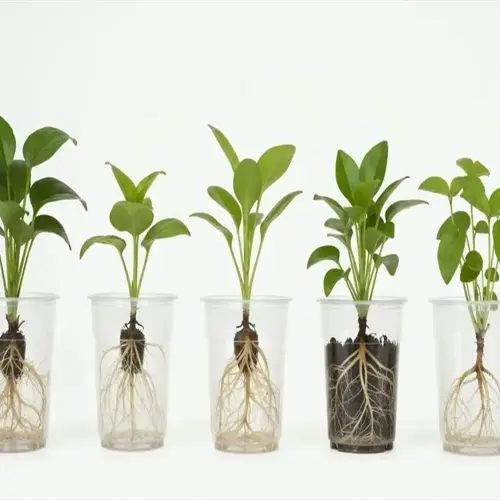

When you look at plants vs air purifiers, each one does something the other cannot do well. Mechanical filters clean particles fast while plants add humidity and calm to your space. Using both together gives you the best results for your indoor air quality at home.
I run a HEPA purifier and keep five houseplants in my home office where I work each day. The purifier handles dust and pollen that would make me sneeze all the time. The plants keep the air from getting too dry during winter months. This plant air purifier comparison in my own space showed me that neither option alone did the full job I needed.
My wife noticed the same thing when we moved plants into our living room last year. The air felt nicer but dust still built up on our shelves faster than we liked. Adding a small HEPA unit to that room made a big difference in how often we had to clean surfaces.
The numbers tell a stark story about raw air cleaning power when you compare the two methods. HEPA filters push 100 cubic meters per hour of clean air through your room at their rated speeds. Plants manage just 0.023 cubic meters per hour based on research data. The gap is huge when you just want particles gone fast.
A 2019 meta-analysis put the houseplants vs HEPA filters debate to rest with hard facts. You would need about 680 plants in a 1,500 square foot home to match a good mechanical filter for VOCs. Nobody has room for that many plants unless they run a greenhouse for a living.
Plants win in other ways that matter for how you feel in your space day to day. They boost humidity by 10-20 percentage points when you group several in one area. Your eyes, throat, and skin all feel better when the air holds more moisture during dry winter months.
Natural vs mechanical air filtration shows a clear winner for your mental health too. Studies show that people feel calmer and more focused when greenery fills their view. A HEPA filter might clean your air, but it will never make you smile when you walk into a room.
Cost plays out in odd ways when you plan for the long term in your home or office. A good HEPA purifier runs $150-400 upfront and needs new filters every 6-12 months. Those filters cost $30-80 each time you swap them out. Plants cost $10-50 each and just need water and light to keep going year after year.
Your best move is to use both methods together in your home for full coverage of all the perks. Get a HEPA purifier sized for your main living space to handle particles, dust, and allergens. Add 3-5 plants to each room you spend time in for humidity, looks, and the mood boost they bring.
Put the purifier where it can pull air from the whole room without blockage from big furniture items. Cluster your plants near where you sit or work to get the most from their humidity output. This combo gives you cleaner air, nicer spaces, and better moods for less cash than either extreme.
Read the full article: 15 Top Air Purification Plants for Cleaner Indoor Air