Herb · Polygonaceae
Garden Sorrel
Rumex acetosa
Keep snipping the young leaves and garden sorrel will thank you with a tart, lemony harvest from spring well into autumn.
Full sun
Every 3–7 days
30–75°F · -1–24°C
60–90 days
Overview
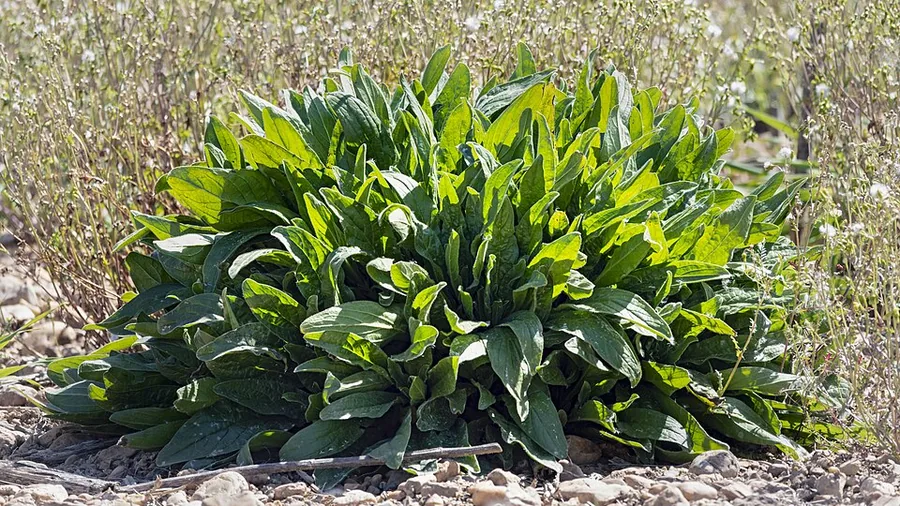
If you have never grown a leafy green before, garden sorrel is a lovely place to start. This hardy perennial has been gathered from gardens and meadows for hundreds of years, prized as one of the earliest fresh greens each spring, and it asks very little of you in return. While delicate salad crops give up when the cold arrives, sorrel takes it in stride and keeps growing.
The flavor is what wins people over. That clean, sour tang comes from oxalic acid in the leaves, the very thing that gives sorrel its lemony bite and the reason to enjoy it in moderation. Pick the young leaves and they taste mild and tender; leave them to age and they grow tougher and sharper, so the happy trick is to harvest little and often.
Here is the reassuring part: sorrel is about as forgiving as a kitchen garden plant gets, and small mistakes are easy to put right. Offer it damp, fertile soil and a little sun, keep the flower stalks trimmed away, and one clump will happily feed you for years before it ever needs splitting.
Care
The short version: give sorrel full sun to light shade, keep the soil evenly moist, and plant it in rich, well drained ground. Harvest the outer leaves often and pinch off flower stalks as they rise, and you will keep the leaves tender and the plant happily producing.
Light
Sorrel is happiest in full sun, yet it copes cheerfully with partial shade, and a spot of afternoon shade is actually a kindness where summers turn hot, since it holds back the rush to bolt. Only in deep shade will the leaves turn thin and sparse, so somewhere bright is all you really need to aim for.
Water
Do your best to keep the soil evenly moist, watering roughly every 3 to 7 days and a little more when the weather turns dry. Steady moisture is the secret to tender leaves, and it also helps put off the early flowering that would otherwise turn them bitter, so a missed watering now and then is nothing to fret over.
Soil
Settle sorrel into fertile, well drained loam with a good helping of organic matter mixed through. It leans toward slightly acidic ground, around a pH of 5.5 to 6.8, but do not lose sleep over it, since this easygoing plant grows perfectly well in most ordinary garden soil.
Temperature
Cool to mild weather suits sorrel best, somewhere around 30°F to 75°F (-1°C to 24°C), and it takes a light frost in its stride. Genuine summer heat is the thing that pushes it to bolt, so the spring and autumn stretches are when it feels most at home.
Humidity
Everyday garden air is exactly right, generally in the 40% to 70% range, and this is truly one thing you never have to measure. What keeps the foliage in good heart is gentle airflow far more than any reading on a gauge.
Feeding
Give sorrel a feed in spring, using a balanced or nitrogen-rich fertilizer or a comforting top-dressing of compost to encourage plenty of leaf. A single feed each season is usually all a leafy crop like this asks for, so there is no need to overdo it.
Pruning
Pick the outer leaves freely and often, because sorrel is a generous cut-and-come-again crop, and nip out any flower stalks as soon as you spot them to keep the remaining leaves soft and mild. If it does flower, simply shear the whole plant back hard and it will reward you with a fresh flush of young foliage.
Repotting
A single clump will carry on strongly for 3 to 4 years before its middle grows crowded and starts to slow. When you notice the center tiring and the leaves shrinking, just lift the plant and divide it, and you will have a renewed patch and a few spares to share.
Size & spacing
A mature clump stands about 12 to 24 inches (30 to 60 cm) tall and reaches 12 to 18 inches (30 to 45 cm) across. Allow each plant that much elbow room so it can fill out fully and fresh air can move freely between the leaves.
When to plant
Because sorrel is cold-hardy, it wakes up and grows early, which is a gift for an eager gardener. Sow the seed indoors in the tail of winter, or simply scatter it outside once the ground is workable in spring, and from there you can keep cutting leaves right up to the first frost.
Northern hemisphere
Southern hemisphere
Typical months for a temperate climate: start earlier in warm zones, later where spring frosts linger.
- Sow: 6-8 weeks before last spring frost
- Plant: Early spring as soon as soil can be worked; cold-hardy and tolerates light frost
- Harvest: Cut outer leaves young and often through the growing season; remove flower stalks to keep leaves tender and mild
Hardiness
USDA hardiness zones: 3–9
Temperature: down to -40°C
Troubleshooting
Take heart, because sorrel rarely gives you much trouble, and what does turn up almost always shows on the leaves. A small handful of pests and the summer push to flower account for nearly everything. Find your plant's symptom below and act while it is early, and all of these are easy to set right.
Tall reddish stems rise up and the leaves lose their sweetness
When summer heat and long days arrive, sorrel is tempted into bolting, pouring its strength into a flower stalk rather than fresh leaves. Once that starts, the foliage stiffens and turns sharp and bitter. The good news is the fix is simple: snip those stalks off as soon as they appear and cut the plant back firmly, and it will soon send up a welcome flush of tender young leaves from the base.
Fix:
- Cut off flower stalks promptly
- Shear plant back to encourage fresh basal leaves
Pale, wandering trails threading across the leaves
Do not be alarmed by these squiggles. They are the tunnels of leaf miner grubs, the young of a small fly that feeds its way between the top and bottom skin of a leaf. Hold one up to the light and you can usually make out the little maggot or its specks inside the trail. Simply pick off the affected leaves and bin them, and tidy away any wild dock growing close by, since that is where the pest tends to come from.
Fix:
- Pick off and destroy mined leaves
- Remove nearby wild docks that host the pest
Curled, sticky young leaves dotted with little insects
Those tiny green or black dots gathering on the newest leaves are aphids, and they are quietly sipping the sap. Turn a few leaves over to check the undersides for their colonies, then send them packing with a firm jet of water. Should they wander back, a spray of insecticidal soap sorts them out, and easing off the nitrogen feed makes your plant a less tempting target.
Fix:
- Spray off with a strong jet of water
- Apply insecticidal soap if persistent
Toxicity
There is no need to worry unduly here. Sorrel is a true edible green for people in ordinary kitchen helpings, though the leaves hold a fair amount of oxalic acid, so big servings call for a light hand and pets are best kept to the odd nibble. The one situation to take seriously is grazing livestock, which can eat enough to make themselves ill.
Toxic to
Cats · Dogs · Horses · Rabbits · Livestock · Birds
Safe for
People
Cats Mild
A curious nibble is very unlikely to hurt your cat, though one that tucks into a real mouthful of the tart leaves might drool, paw at its mouth, or be a little sick. An occasional taste is nothing to worry about.
Dogs Mild
Most dogs take a leaf or two in their stride. A larger helping of the oxalate-rich foliage can leave one drooling, off its dinner, or a touch queasy with a loose stomach for a while, so there is no cause for panic over a small mouthful.
Horses Mild
A horse that grazes a little sorrel comes to no harm. The thing to watch is quantity over time, since the oxalates in the leaves can unsettle the gut and, eaten in real bulk, put a strain on the kidneys.
Rabbits Mild
Think of sorrel as a small, occasional treat for a rabbit rather than an everyday green. Its tart oxalate load means a big serving can bring on soft stools or a mild tummy upset, so it should only ever be a little part of the greens you offer.
Livestock Moderate
Here is the one place to be genuinely careful. Cattle, sheep, and goats that graze hard on Rumex leaves can swallow enough soluble oxalate to bring on weakness, digestive upset, and, in serious cases, damage to the kidneys, so keep grazing animals off a heavy stand of it.
Birds Mild
A peck or two at the leaves is unlikely to trouble your hens or other poultry, but because of the high oxalic acid the foliage is not something to offer them in any real amount.
People Edible in moderation
Sorrel is a much-loved tangy leaf for salads and soups, and a normal serving in the kitchen is perfectly safe to enjoy. Since the leaves are high in oxalic acid, just go gently on large raw helpings, especially if you tend toward kidney stones.
Consume sorrel in moderation; the high soluble-oxalate content is a concern in large quantities, particularly for grazing animals.
Helpline numbers

United States
ASPCA Animal Poison Control: (888) 426-4435 (fee applies)

United Kingdom
Animal PoisonLine: 01202 509000 (fee applies)

Australia
Animal Poisons Helpline: 1300 869 738
Varieties
Most of the sorrel you will find is the plain garden species, and it serves beautifully, but a couple of named selections are lovely to track down, whether for less bolting or simply a prettier leaf.
Rumex acetosa 'Profusion'
This nearly seed-sterile selection almost never bolts, so it keeps offering you tender leaves long after everyday sorrel has bolted and set seed.
Blood-veined sorrel (often sold as a sorrel form)
Its green leaves are threaded with striking deep red veins, pretty enough to earn a welcome in both the salad bowl and the flower border.
How to propagate
Making more sorrel is genuinely easy, and either route is beginner friendly, whether you raise fresh plants from a seed packet or gently divide a clump you already have.
SeedEasy
Spring, after the last hard frost or started indoors 6-8 weeks earlier · 60-90 days to a harvestable plant
The easiest way in is from seed, sown shallowly into moist, fertile soil in spring, or started indoors 6 to 8 weeks ahead of the last frost. Thin the little seedlings so each has room to grow into a full clump, and with a bit of patience you will be cutting your first leaves within 60 to 90 days.
DivisionEasy
Early spring or autumn · A few weeks once divisions root and resume growth
An established clump is a joy to divide in early spring or autumn. Ease it out of the ground, tease or cut it into pieces that each keep some roots and a growing point, then settle them back in. They take hold within a few weeks, giving a tired plant a fresh start and handing you spare plants for nothing.
Myths
Sorrel is toxic and should never find its way onto your plate.
Happily, this simply is not so. Sorrel is a time-honored edible green that cooks have enjoyed for centuries, and a normal kitchen serving is perfectly safe. The single thing to keep in mind is its high soluble-oxalate content, which makes very large raw helpings a concern for anyone prone to kidney stones and for livestock that graze it heavily. Enjoyed in sensible amounts, sorrel earns a happy place at the table rather than on any poison list.