Vegetable · Apiaceae
Florence Fennel
Foeniculum vulgare
Give it cool weather and a steady drink, and fennel hands you a crisp, anise-sweet bulb.
Full sun
Every 2–4 days
50–77°F · 10–25°C
65–90 days
Overview
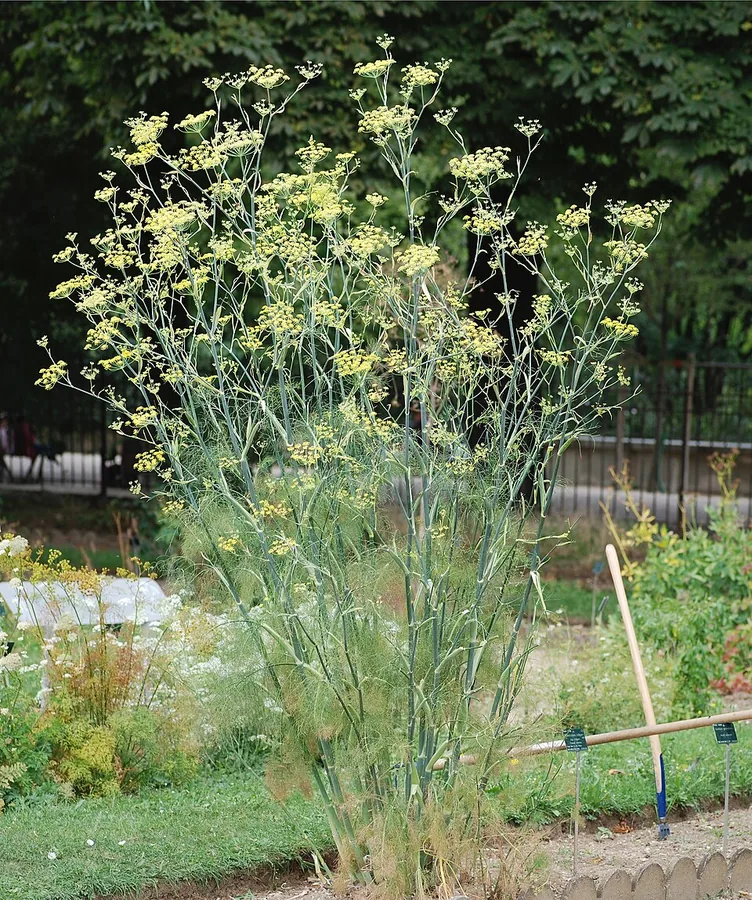
If you have never grown fennel before, take heart, because it asks for a sense of timing more than green-thumb wizardry. Florence fennel is the cool-weather relative of the kitchen herb, and you grow it for the plump white bulb that swells low at its base rather than for the leaves. It sits in the carrot family and wears the same soft, feathery foliage, scented with a clean whisper of licorice. Slice that bulb raw into a salad, or roast it until it goes soft and sweet, and you will see why it is worth the small effort.
The one thing fennel really wants is calm, mild weather while the bulb fills out, and that part is easy to give it. When summer heat and long days arrive the plant tends to rush to seed, so most gardeners simply sow it for a fall harvest and skip the fight with summer altogether. Keep the soil nicely moist, leave each plant some elbow room, and the leaf bases will stack up into a tight, satisfying bulb. If your first try bolts on you, that is a normal hiccup and an easy thing to fix next time.
There is one friendly quirk to know about. Fennel is allelopathic, which simply means it leaks compounds that hold back the plants growing too close, so it is happiest tucked off on its own. Plant it apart from your main beds and it will repay you by drawing in swallowtail butterflies, which love to lay their eggs along the fronds.
Care
The short version: fennel likes full sun, steady moisture, and cool weather, and it is more forgiving than it looks. Direct-sow it in rich, well-drained soil, water on a regular schedule so the bulb does not bolt or split, and aim for a fall crop in most regions.
Light
Fennel is happiest in full sun, meaning six or more hours a day, which is what helps it build a firm bulb. Where summers turn hot it will gladly take a little afternoon shade, and that shade can even buy you a bit of time before the plant thinks about bolting.
Water
Try to keep the soil consistently moist, watering every 2 to 4 days during dry spells. Uneven moisture is the quickest path to a bolted plant or a small, split bulb, so a steady rhythm matters a little more here than with most vegetables, and it is an easy habit to keep.
Soil
Set fennel into fertile, well-drained loam that you have worked through with plenty of organic matter. A pH of 5.5 to 6.8 suits it nicely, and loose, rich ground simply gives the bulb the room it needs to swell.
Temperature
Cool conditions are where fennel shines, somewhere between 50°F and 77°F (10°C to 25°C). Push it into hot weather and it tends to skip the bulb and flower instead, which is exactly why a fall crop is so much kinder to a new grower than a summer one.
Humidity
Ordinary outdoor humidity of 40% to 60% is plenty, so there is no figure for you to chase. A little good airflow around the plants does far more good than any moisture in the air ever could.
Feeding
Feed once a month through the growing season with a balanced 10-10-10 or a low-nitrogen vegetable food. Go easy, since too much nitrogen pushes leafy top growth at the expense of the very bulb you are hoping for.
Pruning
Snap off any flower stalks the moment they appear, and that small habit helps hold off bolting by keeping the plant's energy down in the bulb. Pick the outer fronds for the kitchen whenever you need them, and if you fancy a milder bulb you can mound a little soil around it to blanch it.
Repotting
There is no repotting to fuss over with fennel. It is direct-sown in the ground and left right where it is, because the bulb type dislikes root disturbance and a move usually sends it straight into bolting.
Size & spacing
Plants reach about 2 to 6 feet (60 to 180 cm) tall, and taller still if you let them flower. Give each one 12 to 18 inches (30 to 45 cm) of space so the bulbs have room to fill out and air can drift easily between them.
When to plant
Fennel is a cool-weather soul that hurries to seed in the heat, so timing is your friend here. Sow it straight into the ground in late summer and the bulb fills out through a gentle fall, or sow in early spring where the climate stays mild, then cut the bulbs once they reach a comfortable fist size.
Northern hemisphere
Southern hemisphere
Typical months for a temperate climate: start earlier in warm zones, later where spring frosts linger.
- Sow: Not recommended; bulb fennel resents transplanting and root disturbance, so direct-sowing is preferred.
- Plant: Direct-sow in late summer for a fall crop to avoid heat- and long-day-induced bolting; can also be sown in early spring in mild regions.
- Harvest: Harvest the bulb when fist-sized (about 7-10 cm) and firm; alternatively allow the herb form to flower and set seed for culinary seed/frond use.
Hardiness
USDA hardiness zones: 4–9
Temperature: down to -34°C
Troubleshooting
Almost every fennel snag comes down to two gentle things to watch: warmth that nudges the plant to bolt, and uneven watering that leaves the bulb small or split. The good news is that the early signs are easy to read, and catching them means you can still steer the crop. Find what matches what you are seeing below, then act while it still helps.
Flowering starts and no bulb develops
Do not worry, this familiar hiccup is bolting, and it happens when heat and the long days of summer flip the plant into flowering before the leaf bases ever get the chance to swell. Once that stalk runs up the bulb will not come, but you can still harvest the fronds and seeds and simply start a fresh crop in late summer for the cooler fall. Reaching for a bolt-resistant cultivar and keeping the moisture steady will help it go smoothly next time.
Fix:
- Harvest fronds and seeds for culinary use since the bulb will no longer develop
- Sow a fresh crop in late summer for cooler fall maturation
Small, floppy bulbs, or ones that crack open
More often than not, uneven watering is behind this, since fennel really leans on steady moisture to plump up a tight, firm bulb. Crowded plants and bulbs left too long in the ground tell the same story, turning thin and stringy or cracking down one side. The fix is gentle: thin the seedlings to their spacing, water on a regular schedule, and pick the bulbs once they reach a nice fist size.
Fix:
- Maintain steady, even soil moisture
- Thin seedlings to recommended spacing
- Harvest promptly once bulbs reach fist size
Aphids clustered on fronds, or caterpillars nibbling
Those tiny clusters on the soft new growth are aphids, while the boldly banded caterpillars are black swallowtail larvae, since fennel happens to be one of their host plants. A simple jet of water knocks the aphids off, or insecticidal soap settles them just as well. Many gardeners happily leave the caterpillars alone or move them to a spare plant, because they grow up into lovely swallowtail butterflies.
Fix:
- Spray aphids off with water or use insecticidal soap
- Hand-pick caterpillars (or relocate them, as they become swallowtail butterflies)
Toxicity
You can relax with fennel, because it is safe all around, both on the plate and around your animals. The ASPCA lists it as non-toxic to cats and dogs, and the whole plant is a familiar food for people and grazing animals alike. The only small note is the sap, which can leave sensitive skin briefly sun-sensitive, so give your hands a wash after a long stretch of handling.
Safe for
People · Cats · Dogs · Horses · Rabbits · Livestock · Birds
Cats None
Cats are in the clear here, since the ASPCA lists fennel as non-toxic, so a curious nibble of the fronds will not poison one. As with any new plant food, a really big helping might just loosen the stomach for a day.
Dogs None
Dogs are perfectly safe around fennel, and the plant sits right on the non-toxic list. Some dogs even seem to enjoy the licorice-scented leaves with no harm at all.
Horses Safe
Horses can graze fennel without any trouble, and it is sometimes offered as a flavorful treat. There is simply no toxic compound here to worry over.
Rabbits Safe
Rabbits handle the feathery fronds well when they are fed in modest amounts alongside their usual greens. Introduce it slowly, as you would any fresh leaf, and the bulb is welcome too.
Livestock Safe
Goats, sheep, and cattle can browse fennel safely. The whole plant is edible, with no poisonous parts you need to keep away from the herd.
Birds Safe
Backyard hens and pet birds peck the seeds and greenery without harm. Fennel seed even turns up in some bird feed mixes, which says a lot.
People Safe
Fennel is a kitchen staple for you too, eaten raw, roasted, or as a seasoning, and every part is fair game. The only caveat is the sap, which can leave sensitive skin briefly sun-sensitive after handling, so just wash up after a long session in the patch.
Like other Apiaceae, fennel foliage and sap contain furanocoumarins that can cause mild photosensitivity or phytophotodermatitis in sensitive people after skin contact and sun exposure.
Varieties
A handful of fennels show up again and again, some grown for the bulb and some for the seed or the foliage. Here are the friendly few worth telling apart.
Florence fennel (var. azoricum)
This is the one you grow for the kitchen, loved for the fat white bulb of overlapping leaf bases that you slice and eat as a vegetable.
Zefa Fino
A Florence type bred to resist bolting, so it forms a solid bulb far more reliably even when the weather will not cooperate, which makes it a kind choice for a first crop.
Sweet fennel (var. dulce)
Grown for its anise-scented fronds and seeds instead of a bulb, this is the fennel that flavors sausage, bread, and tea.
Bronze fennel
An ornamental herb form with soft, feathery bronze-purple foliage, it earns its place in the border and the butterfly garden but never swells into a usable bulb.
Companions
Fennel is the rare plant that grows best with no company at all. Its allelopathic roots and foliage hold back most vegetable neighbors, so the best place for it is a bed of its own.
Keep apart
tomato: Fennel produces allelopathic compounds that can suppress tomato growth; it should be planted well away from the vegetable garden.
beans: Fennel's allelopathic root and foliage exudates inhibit beans and other legumes growing nearby.
most garden vegetables: Fennel inhibits the growth of most neighboring vegetables and is generally grown by itself, apart from the main garden.
How to propagate
Fennel comes from seed, and honestly that is the only sensible way to start it, since the plant really dislikes having its roots moved.
SeedEasy
Late summer for a fall crop, or early spring in mild climates · 7-14 days to germinate; about 65-90 days to a harvestable bulb
Sow your fennel right where it is going to grow, since the roots dislike being disturbed and a transplant shock often sends the plant straight into bolting. Drop the seed in late summer for a fall crop, or in early spring if your climate stays mild. The seedlings come up in 7 to 14 days, and a bulb is ready to cut in 65 to 90 days, so a little patience pays off nicely.
Myths
That swollen bulb is really an underground root.
It certainly looks the part, but the bulb is not a root at all. What you eat is a cluster of swollen, overlapping leaf bases stacked at the foot of the stem, sitting right at or just above the soil line. That is also the friendly reason why mounding a little soil around it blanches the bulb, much the way you would blanch leeks.
Fennel makes a helpful neighbor that shields nearby vegetables.
It is actually the other way around. Fennel is allelopathic, leaking compounds that stunt many of its neighbors, with beans and tomatoes among them. The kind thing to do is give it its own corner well away from the main beds rather than tucking it in as a helper.