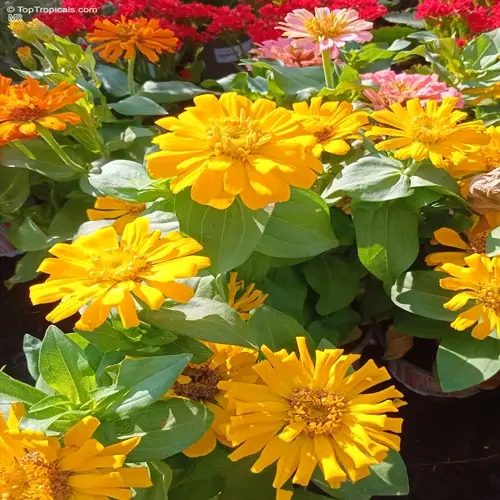

You'll hear gardeners call zinnias dirty flower because the lower leaves get messy as summer goes on. Powdery mildew and leaf spots show up on the foliage below while blooms up top stay gorgeous. This nickname has stuck around in gardening circles for decades, but it shouldn't scare you off.
I've grown zinnias for six years now and every single season the bottom leaves turn spotty and white no matter what I do. My first year I thought I was doing something wrong. I watered less, watered more, moved plants around. Nothing stopped it. Then a veteran gardener at my local nursery told me this is just how zinnias behave. Even the best-maintained plants develop zinnia leaf problems on the lower foliage by late summer.
The main cause of the dirty look is zinnia powdery mildew. This fungal disease coats your leaves in a white dusty film. It thrives in humid spots with poor air flow. Your zinnia plants grow dense lower canopies that trap moisture and block breeze. Morning dew sits on those crowded bottom leaves for hours and gives the fungus everything it needs to spread.
Leaf spot diseases add to your zinnia leaf problems too. Alternaria and bacterial leaf spot create brown or black splotches across the foliage. Rain splashes fungal spores from the soil onto lower leaves. The infection works its way up the plant over time. You end up with messy foliage even when your flowers are still blooming strong up top.
Zinnia disease prevention starts before you put seeds in the ground. Pick resistant types if clean leaves matter to you. Clemson Extension says you should try Dreamland to fight leaf spot. Go with Oklahoma to beat powdery mildew. Choose Profusion if you want a variety that holds up to several issues. Your plants will stay cleaner much longer with these picks.
Spacing your plants far enough apart makes a big difference too. Give zinnias 12-24 inches (30-60 centimeters) between plants so air moves through the foliage. Water at the base with a soaker hose or drip irrigation instead of overhead sprinklers. Wet leaves invite fungal growth while dry foliage resists it. Try to water in the morning so any moisture that does hit the leaves dries off before evening.
When the lower leaves do get messy, just strip them off. Grab the spotted or powdery leaves and pull them away from the stem. Toss them in the trash rather than the compost pile to avoid spreading disease. This cleanup takes about five minutes per week and keeps your zinnias looking much tidier. The plant won't miss those bottom leaves because the upper growth does most of the work producing energy and flowers.
Don't let the dirty reputation scare you away from growing zinnias. The blooms are some of the showiest flowers you can grow. The messy foliage is easy to manage once you know what to expect. Plant resistant varieties, space them well, and water at the base. Strip ugly leaves when they show up. Your zinnia bed will look clean enough to impress anyone who walks past it.
I think of the dirty foliage as a small price for months of bold, colorful blooms that few other flowers can match. You'll spend maybe five minutes a week on cleanup. Your garden will look great from any distance where people view it. Up close the bottom leaves might have spots on them. But your visitors will be too busy admiring the flowers on top to notice anything wrong down below.
Read the full article: How to Grow Zinnia Seeds Successfully