
Introduction
Spanish explorers called zinnias "mal de ojos" or "evil eyes" because the small wild blooms looked plain and dull. Those rough little daisies have come a long way since then. You can now find over 100 cultivated zinnia varieties in every color except blue. If you want to grow zinnias from seed, zinnia seeds are the best place to start.
I've grown zinnias for more than 8 seasons and they still amaze me each spring. The UMN Extension confirms they germinate in just 4 to 8 days at 70 to 75°F. That speed makes them perfect for new gardeners who want quick wins without grow lights or seed trays.
Dr. Johann Gottfried Zinn gave these flowers their name in the 1700s. But they didn't become garden stars until Bodger Seed Ltd. brought new zinnia varieties to the U.S. in the 1920s. Today 17 known species cover USDA Zones 2a through 11b. That means almost every gardener in the country can grow them with ease.
This guide covers everything from planting zinnia seeds to saving your own for next year. You'll learn which varieties suit your goals and how to boost blooms with smart pinching. You'll also find out why some zinnias attract more butterflies than others.
8 Best Zinnia Varieties
I've grown dozens of zinnia elegans types over the years to see which ones work best in real home gardens. Zinnia flower colors range from bold reds to soft pinks, lime greens, and near white. Bloom sizes run from 1 inch on dwarf zinnia varieties up to 7 to 8 inch heads on the tallest plants.
These 8 best zinnia varieties work for cutting gardens, containers, and pollinator beds. I grouped them by purpose so you can find your match fast. Each entry includes notes on disease resistant zinnias to help you dodge powdery mildew.
Benary's Giant
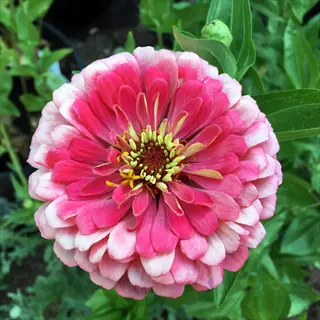
- Height and Spread: Grows 40 to 50 inches (100 to 127 centimeters) tall with fully double dahlia-shaped blooms reaching 4 to 6 inches (10 to 15 centimeters) across
- Best Use: The top choice for cutting gardens because the thick sturdy stems hold up in arrangements and the vase life extends beyond one week
- Color Range: Available in lime green, salmon, carmine rose, bright pink, scarlet, deep red, orange, purple, white, and wine red
- Growing Tips: Space plants 12 to 18 inches (30 to 45 centimeters) apart in full sun and pinch seedlings at 12 inches (30 centimeters) for maximum branching
- Disease Notes: Somewhat prone to powdery mildew on lower leaves so ensure good air circulation between plants and water at the base
- Pollinator Value: Double bloom structure limits butterfly nectar access so this variety performs better as a cut flower than a pollinator attractor
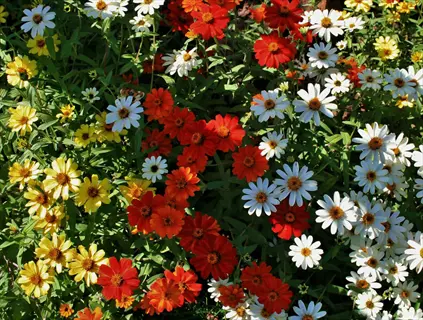
Zahara Series
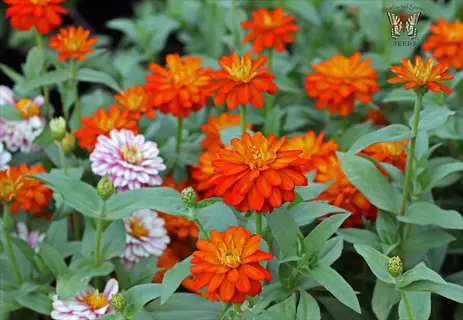
- Height and Spread: Compact plants reaching 12 to 18 inches (30 to 45 centimeters) tall with single and double blooms measuring 2 to 3 inches (5 to 7 centimeters) across
- Best Use: Ideal for containers, borders, and beginner gardeners because the series was bred for disease tolerance and low maintenance care
- Color Range: Offers starlight rose, fire, raspberry, coral rose, yellow, white, and mixed blends in both single and double petal forms
- Growing Tips: Space 8 to 10 inches (20 to 25 centimeters) apart and expect blooms within 8 weeks of direct sowing in warm soil
- Disease Notes: Developed at the University of Maryland in the 1980s with strong resistance to powdery mildew, bacterial leaf spot, and Alternaria leaf spot
- Pollinator Value: Single-petal Zahara varieties with visible yellow disc centers provide excellent nectar access for butterflies and bees
Profusion Series
- Height and Spread: Mounding habit reaching 12 to 15 inches (30 to 38 centimeters) tall and 18 to 24 inches (45 to 60 centimeters) wide with continuous bloom coverage
- Best Use: Perfect for landscape beds and borders where continuous color without deadheading is the goal because Profusion varieties are self-cleaning
- Color Range: Available in cherry, fire, apricot, orange, white, coral pink, and lemon yellow with single daisy-like petals
- Growing Tips: A cross between Z. elegans and Z. angustifolia that combines the best traits of both species for heat tolerance and disease resistance
- Disease Notes: Clemson Extension confirms the Profusion series carries high resistance to powdery mildew and both bacterial and fungal leaf spot diseases
- Pollinator Value: Single open-face blooms with prominent disc florets make Profusion one of the best series for attracting butterflies and pollinators per Penn State research
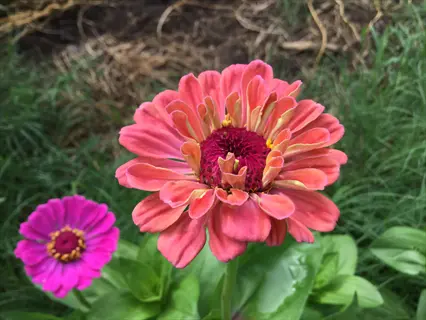
Oklahoma Series
- Height and Spread: Medium-height plants growing 30 to 36 inches (76 to 91 centimeters) tall with large double blooms measuring 4 to 5 inches (10 to 13 centimeters) across
- Best Use: A strong choice for humid climates where powdery mildew is a persistent problem because breeders designed this series for mildew resistance
- Color Range: Features rich warm tones including salmon, pink, scarlet, white, and yellow with fully double ruffled petals
- Growing Tips: Space 12 to 15 inches (30 to 38 centimeters) apart in full sun and provide 1 inch (2.5 centimeters) of water per week at the base
- Disease Notes: Clemson Cooperative Extension highlights Oklahoma as having higher resistance to powdery mildew than most other double-flowered zinnia series
- Pollinator Value: The sturdy upright stems make excellent cut flowers despite being double blooms and the large flower heads still attract bigger butterfly species
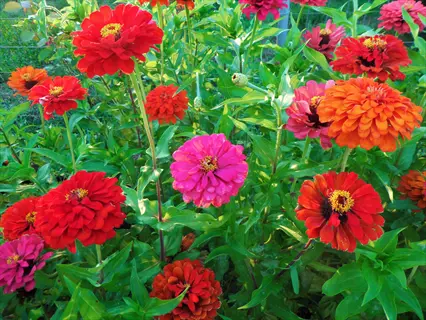
State Fair Giant
- Height and Spread: Tall plants reaching 30 to 40 inches (76 to 101 centimeters) with massive double blooms spanning 5 to 6 inches (13 to 15 centimeters) across
- Best Use: Bred for exhibition and cut flower competitions with blooms large enough to fill a vase on their own and stems sturdy enough for tall arrangements
- Color Range: Produces a vibrant mix of cherry, lavender, orange, purple, salmon, scarlet, white, and yellow blooms
- Growing Tips: Requires wider spacing of 15 to 18 inches (38 to 45 centimeters) and benefits from staking in windy locations due to the heavy flower heads
- Disease Notes: Clemson Extension confirms State Fair Giant was bred for higher tolerance of Alternaria leaf spot and powdery mildew compared to standard giant varieties
- Pollinator Value: The large flat landing surface on semi-double blooms lets butterflies rest and feed better than on packed double flowers
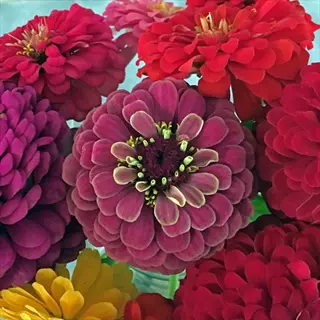
Queeny Series
- Height and Spread: Compact to medium height at 20 to 24 inches (50 to 60 centimeters) tall with fully double blooms in the 3 to 4 inch (7 to 10 centimeter) range
- Best Use: Excellent for mixed borders and cottage garden plantings where a tidy growth habit with abundant blooms is preferred over tall gangly stems
- Color Range: Features unique shades including lime green and salmon that are harder to find in other zinnia series along with classic red and orange
- Growing Tips: The lime green variety adds a distinctive color accent to bouquets and flower arrangements that pairs well with hot pink and deep purple blooms
- Disease Notes: Moderate disease resistance that benefits from proper spacing and base watering to prevent powdery mildew on the dense lower foliage
- Pollinator Value: Semi-double bloom form strikes a balance between visual fullness and nectar accessibility for medium-sized pollinators like bumblebees
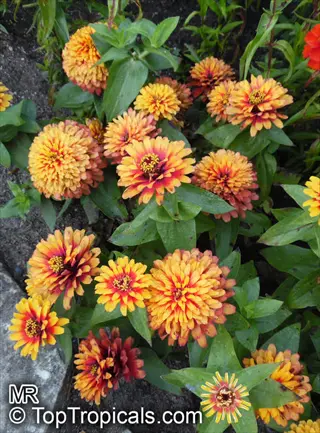
Thumbelina Mix
- Height and Spread: True dwarf plants growing only 6 to 8 inches (15 to 20 centimeters) tall with small semi-double flowers measuring 1 to 2 inches (2.5 to 5 centimeters) across
- Best Use: The best option for small containers, window boxes, and garden edging where a low compact flower border is needed without any staking
- Color Range: Produces a cheerful mix of pink, red, orange, yellow, salmon, and scarlet blooms that cover the compact mounding plants
- Growing Tips: Space 6 to 8 inches (15 to 20 centimeters) apart and use well-draining potting mix in containers with drainage holes at the bottom
- Disease Notes: Compact growth can trap humidity between plants so thin seedlings to allow air circulation and prevent fungal leaf spot development
- Pollinator Value: The low growing habit puts flowers at ground level where certain native bee species forage with more vigor than at taller bloom heights
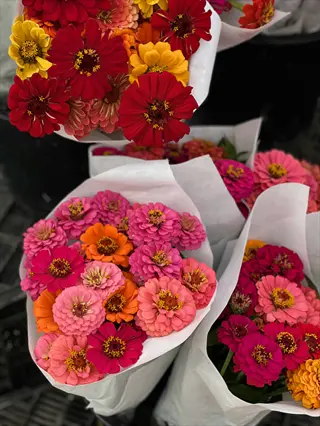
Cut and Come Again
- Height and Spread: Medium plants growing 24 to 30 inches (60 to 76 centimeters) tall with semi-double blooms in the 2 to 3 inch (5 to 7 centimeter) range
- Best Use: Named for its prolific reblooming habit where every stem you cut triggers two or more new flower stems to grow from the nodes below
- Color Range: Available in a bright mix of warm and cool tones that provide a continuous supply of fresh cut flowers from midsummer through first frost
- Growing Tips: Harvest stems when the first row of petals opens fully and cut just above a leaf node to encourage branching and maximum new bloom production
- Disease Notes: Frequent cutting improves air flow through the plant canopy and removes older foliage where powdery mildew tends to start
- Pollinator Value: Open single to semi-double blooms with accessible disc florets attract a wide range of pollinators from butterflies to hover flies and native bees
Your best pick depends on what you want from your garden. Benary's Giant zinnia rules the cutting garden. Zahara and Thumbelina shine in pots and small spaces. For pollinators, choose Profusion or a single petal type with a visible yellow center disc.
Planting Zinnia Seeds
Knowing when to plant zinnia seeds makes the difference between strong plants and wasted effort. I lost a whole flat of seedlings my first year because I rushed them into cold soil. You want to direct sow zinnia seeds outdoors after your last frost when soil temperature for zinnia seeds hits at least 70°F (21°C).
In my experience, direct sowing zinnia seeds straight into the garden works best because they hate root damage from transplanting. Sow each seed one quarter inch deep and follow the zinnia seed spacing guide below for your chosen variety. If you must start zinnia seeds indoors, do it just 4 weeks before your last frost and use peat pots you can plant whole to protect the roots.
Most planting zinnia seeds guides give advice for just one zone. Your real planting window depends on local frost dates in your area. Check your county extension office for the exact last frost date and count back 4 weeks if you plan to start seeds inside.
Zinnia Care and Maintenance
Zinnias don't ask for much but they do need a few basics to stay strong all season. In my experience, the biggest care mistake most growers make is watering zinnias from above. That's like asking powdery mildew to show up for dinner. Stick to drip irrigation zinnias or a soaker hose at the base and your plants will thank you with clean leaves.
Good zinnia soil requirements start with well-drained soil zinnias can spread their roots through. NC State confirms they tolerate acid, neutral, and alkaline soils so pH is not a concern. Mix in organic compost zinnias love and you'll give them the zinnia fertilizer boost they need right from the start.
Watering Schedule
- Frequency: Provide 1 inch (2.5 centimeters) of water per week at the base of the plant using a soaker hose or drip irrigation to keep foliage dry and healthy
- Soil Check: Water when the top 1 to 2 inches (2.5 to 5 centimeters) of soil feel dry to the touch according to University of Minnesota Extension guidelines
- Method: Always water at soil level and avoid wetting the leaves because overhead watering is the main cause of powdery mildew and bacterial leaf spot
Fertilizer Program
- At Planting: Apply a balanced fertilizer with equal nitrogen phosphorus and potassium ratios when first setting out transplants or when seedlings reach 3 inches (7.5 centimeters) tall
- Monthly Feeding: Switch to a higher phosphorus formula each month after the first feeding to promote continuous flower production throughout the growing season
- Alternative: Penn State Extension recommends a balanced 20-20-20 fertilizer at least twice during the growing season for gardeners who prefer a simpler approach
Soil Preparation
- Drainage: Zinnias require well-drained soil and will develop root rot in waterlogged conditions so amend heavy clay with compost or perlite before planting
- Acidity Range: NC State Extension confirms zinnias tolerate acid soil below 6.0, neutral soil between 6.0 and 8.0, and alkaline soil above 8.0 making them adaptable
- Organic Matter: Work 2 to 3 inches (5 to 7.5 centimeters) of finished compost into the top 6 inches (15 centimeters) of soil before sowing to improve both drainage and nutrition
Mulching and Weed Control
- Mulch Layer: Apply 2 to 3 inches (5 to 7.5 centimeters) of organic mulch around zinnia plants to suppress weeds retain soil moisture and moderate soil temperature during heat waves
- Spacing: Keep mulch 1 to 2 inches (2.5 to 5 centimeters) away from zinnia stems to prevent moisture from sitting against the base and causing stem rot
- Weeding: Hand pull weeds when they are small rather than hoeing near your zinnia roots because zinnias grow thin feeder roots close to the surface that tools can break
If you have pets, here's good news for you. NC State confirms that zinnias are non-toxic to dogs, cats, and horses. That makes them one of the safest annual flowers you can plant in your yard where your animals roam free.
Boosting Zinnia Blooms
Want to know how to get more zinnia blooms from your garden? Three simple methods will change everything for you. I tested all three on my own plants and the results blew me away. Pinching zinnias and deadheading zinnias boost each plant's output. Add succession sowing zinnias to the mix and your bed becomes a nonstop flower factory.
The zinnia bloom time for most varieties runs 8 to 12 weeks from seed to first flower. But your total harvest window stretches much longer when you use these techniques together. You can cut zinnias for regrowth and each cut stem sends out 2 new flowering shoots from the nodes below.
Pinching Young Plants
- When to Pinch: Wait until your zinnia seedlings reach 12 inches (30 centimeters) tall and have at least 3 sets of true leaves before you make the first pinch
- How to Pinch: Use clean sharp scissors to cut the main stem just above the third leaf node removing the top growth point to force lateral branching below
- Trade-Off: Pinching delays your first bloom by about one week but produces three times more flowering stems per plant according to growing trials
Deadheading Spent Flowers
- Why It Works: Removing faded blooms prevents your plant from sending energy into seed production and redirects that energy into producing new flower buds instead
- Where to Cut: Snip the spent flower stem just above the next set of leaves or leaf node to encourage two new flowering stems to grow from that junction point
- Frequency: Check your plants every 2 to 3 days during peak bloom season and remove any flowers that have started to fade or show brown petals at the center
Succession Sowing Strategy
- Timing: Sow new batches of zinnia seeds every 2 to 3 weeks from your last frost date through midsummer to maintain continuous fresh blooms into fall
- Planning: Your first sowing produces flowers in 8 to 12 weeks while later sowings fill in as earlier plants slow down from heat stress or disease pressure
- Fall Blooms: The final sowing 10 to 12 weeks before your expected first fall frost ensures fresh vigorous plants are still blooming when the season winds down
Cutting for Arrangements
- Best Time: Harvest your zinnia stems in the early morning when the flowers hold the most water and the petals feel firm to the touch
- Stem Length: Cut stems 12 to 18 inches (30 to 45 centimeters) long just above a leaf node and place them right into clean water with floral preservative for vase life beyond one week
- Regrowth Benefit: Every stem you cut triggers two new flowering stems to grow from the nodes below creating a bushier plant with even more bloom production over time
Saving Zinnia Seeds
When I first started to save zinnia seeds, I knew I'd never buy another packet again. I started collecting zinnia seeds from my first garden 8 years ago. I still grow plants from that original batch today. The trick to harvesting zinnia seeds is knowing when the flower heads are ready to pick.
Let your flower heads dry on the plant until they turn at least halfway brown. Then try the wiggle test. Give the dried head a gentle shake and listen for seeds rattling inside. If you hear that sound, the seeds are ready for you to harvest. Pull the petals apart and look for small arrow-shaped seeds tucked inside the dried flower head.
Color tells you a lot about zinnia seed viability when you start sorting. Gray seeds tend to be viable and will sprout strong plants next season. Tan or pale seeds may not germinate well so set those aside. For the best zinnia seed storage results, dry your seeds for 7 to 14 days in a spot with good air flow before you store zinnia seeds in containers.
One fun detail about saving your own seeds: zinnias cross pollinate between varieties. That means your saved seeds may produce flowers with different colors or petal forms than the parent plant. Some growers see this as a bonus surprise while others isolate varieties to keep colors true.
Zinnias for Pollinators
Zinnias attract butterflies like few other annual flowers can. When I tested my garden, Monarchs, Swallowtails, and Red Admirals came to the single petal types all day. The double bloom types right next to them got almost no visits. The secret lies in the yellow disc florets at the center of each flower.
UMN Extension warns that some cultivars have had pollen and nectar bred out of them. Your variety choice matters a lot when you build pollinator garden zinnias that do real work. In my experience, the best zinnias for butterflies have single petals with visible centers. Taller types also outperform dwarf ones for visits per Penn State research.
Did you know that zinnias attract hummingbirds too? Clemson Extension found that hummingbirds visit zinnias too. Try companion planting zinnias between your vegetable rows. This brings pollinators right where your tomatoes and squash need them most.
Use zinnias for pollinators as the anchor flower in your garden. They bloom from midsummer through first frost. That long bloom window gives pollinators food when other flowers have faded.
5 Common Myths
Zinnias must be started indoors under grow lights to get a head start on the growing season
Direct sowing outdoors produces stronger zinnia plants because they develop taproots without transplant shock and germinate in just 4 to 8 days
Double-petaled zinnia flowers attract more butterflies and bees than single-petal varieties because they have more color
Single-petal zinnias with visible yellow disc florets provide better nectar access for pollinators while double blooms physically block butterflies from reaching nectar
Soaking zinnia seeds overnight before planting significantly improves germination rates and speeds up sprouting
Zinnia seeds already germinate rapidly without soaking and the added moisture can promote fungal growth on the seed coat before planting
Watering zinnia leaves from above keeps the plant cool and helps it grow faster during hot summer months
Overhead watering promotes powdery mildew and bacterial leaf spot so always water zinnias at the base using drip irrigation or a soaker hose
All zinnia varieties grow equally well in containers and garden beds without any difference in performance or size
Tall varieties like Benary's Giant struggle in containers while compact cultivars like Zahara and Thumbelina are specifically bred for container growing
Conclusion
Growing flowers from seed doesn't get much easier than planting zinnia seeds in your garden. Your zinnia seeds go from packet to first sprout in just 4 to 8 days and then bloom within 8 to 12 weeks. That speed makes them one of the fastest annual flowers you can grow zinnias from seed with.
Picking the best zinnia varieties for your garden comes down to what you want most. Grab Benary's Giant for a cutting garden that fills vases all summer. Go with Zahara or Thumbelina for containers. Choose Profusion when disease resistance matters most. And plant single petal types if you want your garden buzzing with butterflies.
I've found that pinching, deadheading, and succession sowing together turn a single seed packet into months of nonstop blooms. One packet of zinnia seeds can fill your entire garden and give you fresh cut flowers from midsummer through first frost. These plants also grow in USDA Zones 2a through 11b and are safe around pets.
Start with just 1 or 2 varieties this season. Once you see how simple they are, you'll want to try more next year. Every season I add at least one new type to my garden and the colors keep getting better. Your zinnia collection will grow right along with your green thumb.
External Sources
Frequently Asked Questions
What month do you plant zinnia seeds?
Plant zinnia seeds outdoors after the last frost when soil temperatures reach at least 70°F (21°C), which typically falls between April and June depending on your growing zone.
Can I just scatter zinnia seeds?
You can scatter zinnia seeds directly on prepared soil, press them gently into the surface, and cover with one quarter inch of soil for successful germination.
Is it hard to grow zinnias from seed?
Zinnias are one of the easiest flowers to grow from seed because they germinate quickly, tolerate heat well, and thrive in most soil types with full sun.
Why are zinnias considered a dirty flower?
Zinnias earn this nickname because older leaves develop powdery mildew and leaf spots as the season progresses, giving the lower foliage a messy appearance.
Do zinnias grow back every year?
Zinnias are true annuals that complete their life cycle in one season and do not return from roots, though they may self-seed and produce volunteer seedlings.
What should not be planted near zinnias?
Avoid planting shade-casting tall crops on the south side of zinnias, and keep them away from plants prone to similar fungal diseases like cucurbits that spread powdery mildew.
Do zinnias do better in pots or in the ground?
Zinnias perform best in the ground where roots spread freely, but dwarf varieties like Thumbelina and Zahara grow well in containers at least 12 inches (30 centimeters) deep.
What are common zinnia problems?
The most frequent zinnia problems include powdery mildew, Alternaria leaf spot, bacterial leaf spot, and poor blooming caused by insufficient sunlight or overcrowding.
How many zinnias will one seed produce?
One zinnia seed produces one plant, but pinching and deadheading that single plant can yield dozens of blooms throughout the growing season.
Why are zinnias so easy to grow?
Zinnias originated in the arid regions of Mexico, making them naturally drought tolerant, heat loving, and adaptable to a wide range of soil types and growing zones.