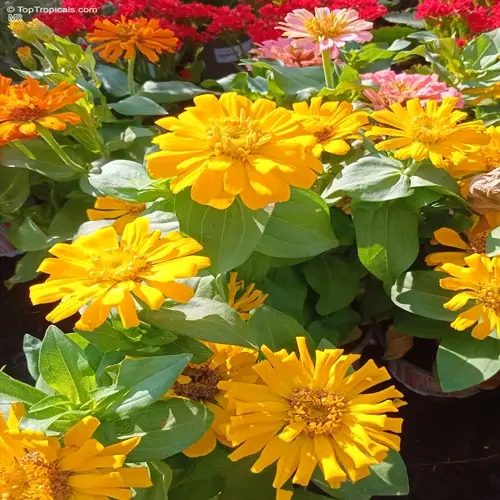

The common zinnia problems you'll deal with are fungal diseases, bacterial spots, and poor blooming. Powdery mildew tops the list, followed by leaf spot and weak flower output. None of these will ruin your garden if you catch them early.
I dealt with bad zinnia powdery mildew during a humid summer three years ago. The white coating showed up on lower leaves first. It climbed the stems within two weeks. I cut away every infected leaf and switched to drip watering. Then I sprayed neem oil every seven days. I lost about 30% of the foliage, which looked rough for a while. But the plants bounced back and kept blooming through September.
Knowing your zinnia diseases starts with learning what triggers each one. Here's what causes the four biggest problems and how you can spot them.
Powdery Mildew
- Trigger: Overhead watering and poor air circulation create the humid conditions this fungus needs to spread across foliage.
- Symptoms: White powdery coating on leaves that starts at the bottom of the plant and works upward through the canopy.
- Treatment: Spray neem oil every 7 days and remove infected leaves to slow the spread between plants.
Alternaria Leaf Spot
- Trigger: Warm wet conditions above 80°F (27°C) with frequent rain or overhead watering give this fungus room to grow.
- Symptoms: Dark brown spots with concentric rings that look like tiny targets on the leaves, often starting on older foliage.
- Treatment: Remove infected leaves and apply neem oil or a copper-based fungicide to protect remaining healthy growth.
Bacterial Leaf Spot
- Trigger: Splashing rain and irrigation water carry bacteria from the soil up onto leaves, spreading infection fast.
- Symptoms: Angular dark spots with yellow halos around the edges, creating a zinnia leaf spot pattern distinct from fungal infections.
- Treatment: Apply copper fungicide since antibiotics aren't available for home garden use, and avoid working with plants when wet.
Poor Blooming
- Trigger: Too much shade, excess nitrogen fertilizer, or failure to deadhead spent flowers can all reduce bloom production.
- Symptoms: Lush green foliage with few or no flowers, or blooms that are small and sparse compared to what you expected.
- Treatment: Move to full sun, switch to a higher phosphorus fertilizer, and cut spent blooms every 2-3 days.
Clemson Extension says you should grow resistant types if disease hits your garden year after year. Try Dreamland for leaf spot or Oklahoma for powdery mildew. State Fair Giant handles Alternaria well. Profusion fights off multiple issues at once. These picks won't give you disease-free plants, but they give you a massive head start in your garden.
Prevention matters more than treatment with zinnia problems. Space your plants 12-24 inches (30-60 centimeters) apart for airflow. Water at the base instead of from above. Pull and trash any infected leaves right away rather than putting them in your compost pile.
These three habits stop most problems before they start. I follow them every year and my zinnia beds stay clean much longer than they did when I first started growing. You'll still see some issues pop up during wet stretches. But your plants will handle them better when they have good spacing and dry foliage.
When you do spot a problem, don't wait to act. Pull off sick leaves the same day you notice them. Spray neem oil on fungal issues every seven days until you see things clear up. Use copper fungicide for bacterial spots that have yellow rings around them. Throw all infected plant parts in the trash, not your compost bin. The faster you respond, the more of your zinnia bed you'll save from spreading damage.
Read the full article: How to Grow Zinnia Seeds Successfully