
Introduction
Zinnia flowers are the best confidence boost a gardener can get. These bold annual flowers sprout in just 4 to 8 days and burst into full color within 60 to 70 days from seed. No other garden flower gives you that kind of speed with so little effort.
I started growing zinnias about 8 years ago when my first rose garden failed and I needed a win. One packet of seeds turned into a wall of color that had neighbors stopping on the sidewalk to ask what I planted. Growing zinnias from seed is a lot like cooking pasta. It's hard to mess up and the results come fast. You can customize the outcome in over 100 different ways with all the cultivars now on the market.
What makes zinnias stand out from other annual flowers is how many jobs they handle at once. You can grow them as cutting garden stars that fill vases all summer long. They pull double duty as pollinator magnets for butterflies and bees. Dwarf types fit right into containers on your patio. Tall varieties create stunning borders along fences and walkways.
This guide covers everything you need to get a thriving zinnia garden going this season. You'll find the best varieties for your goals and planting tips broken down by zone. The care methods here keep blooms coming until the first frost shuts things down.
8 Best Zinnia Varieties
Picking the right zinnia cultivars makes a huge difference in how your garden looks and performs all season. I've grown most of the best zinnia varieties out there and each series has a clear strength. Benary's Giant zinnias give you towering stems for vases. Profusion types offer hands off ease with zero deadheading. Queeny blooms bring color blends you won't find anywhere else.
These 8 zinnia cultivars cover every garden goal you can think of. You'll find tall cutting flowers and compact dwarf zinnia varieties for pots and borders. I also marked the disease-resistant zinnias so you can spot them fast.
Benary's Giant Series
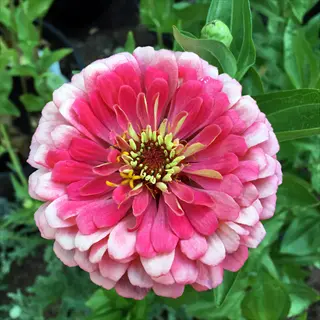
- Height: Reaches 40 to 50 inches (100 to 127 centimeters) tall with strong, sturdy stems ideal for cutting gardens and tall arrangements.
- Flower Size: Produces fully double blooms measuring 4 to 6 inches (10 to 15 centimeters) across in vibrant saturated colors.
- Best For: Professional-quality cut flowers with long vase life, making them the top choice for wedding work and floral design.
- Colors Available: Comes in Wine, Salmon Rose, Carmine, Bright Pink, Scarlet, Deep Red, Coral, Orange, Lime, and Lilac shades.
- Growing Tips: Space 12 inches (30 centimeters) apart and pinch when plants reach 10 to 12 inches (25 to 30 centimeters) for maximum branching.
- Disease Note: Moderately susceptible to powdery mildew, so ensure good air circulation between plants and water at soil level only.
Profusion Series
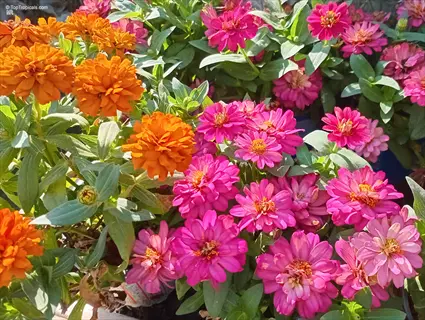
- Height: Compact plants growing 12 to 18 inches (30 to 46 centimeters) tall, forming neat mounds perfect for borders and containers.
- Disease Resistance: Hybrid cross between Z. angustifolia and Z. elegans provides superior resistance to powdery mildew and leaf spots.
- Best For: Low-maintenance garden beds, containers, and landscapes where you want continuous color without deadheading required.
- Colors Available: Offered in single and double flower forms in red, orange, yellow, white, cherry, and coral shades.
- Growing Tips: Space 8 to 10 inches (20 to 25 centimeters) apart; these compact plants tolerate drought and heat better than most zinnia types.
- Standout Feature: Rated good to excellent in University of Minnesota WCROC performance trials for reliability across growing conditions.
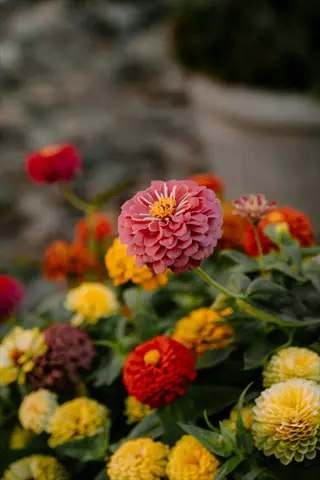
Oklahoma Series
- Height: Medium-tall plants reaching 30 to 36 inches (76 to 91 centimeters) with strong upright stems suited for cutting.
- Flower Form: Produces dahlia-like fully double blooms with tightly layered petals that hold their shape well in arrangements.
- Best For: Cut flower gardens where you want a classic, full-bodied zinnia bloom on a manageable plant height.
- Colors Available: Includes Salmon, Pink, Carmine, Ivory, White, Golden Yellow, and Scarlet varieties with consistent true-to-seed color.
- Growing Tips: Direct sow after last frost when soil temperature reaches 70°F (21°C) and thin seedlings to 10 inches (25 centimeters) apart.
- History Note: The Ivory variety was once discontinued and later revived due to popular demand from flower farmers and home gardeners.
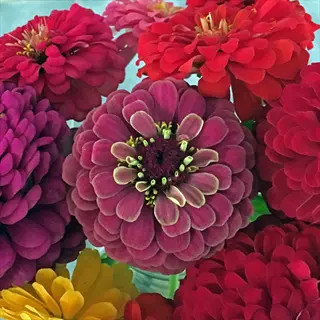
Queeny Series
- Height: Medium plants growing 24 to 30 inches (61 to 76 centimeters) tall with sturdy branching stems for repeated cutting.
- Flower Form: Features unique lime-tipped and blush-toned double blooms that add an unusual color palette to garden beds and bouquets.
- Best For: Gardeners seeking distinctive color combinations not found in traditional zinnia series, especially for mixed arrangements.
- Colors Available: Includes Red Lime, Lemon Peach, and Lime Blush varieties with gradient petal coloring from center to edge.
- Growing Tips: Pinch growing tips when plants are 10 to 12 inches (25 to 30 centimeters) tall to encourage bushier growth and more flower stems.
- Design Appeal: The lime-green undertones make these a favorite for garden designers pairing with purple salvias and orange marigolds.
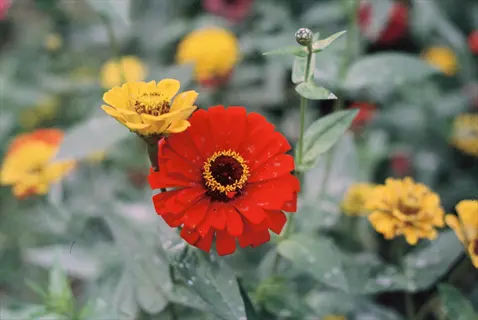
Zinderella Series
- Height: Reaches 24 to 36 inches (61 to 91 centimeters) tall with excellent stem strength for cutting garden performance.
- Flower Form: Unique scabiosa-type blooms with a raised central dome surrounded by a ring of flat outer petals creating depth.
- Best For: Adding textural variety to zinnia plantings and bouquets where you want something beyond the standard dahlia-type form.
- Colors Available: Offered in Peach and Lilac shades, both featuring the distinctive two-toned center and petal contrast.
- Growing Tips: Performs best in cooler climates as scabiosa-type flowers may struggle with consistent double blooms in extreme heat and humidity.
- Arrangement Tip: Mix with standard double zinnias and filler flowers for arrangements that showcase different textures and bloom shapes.
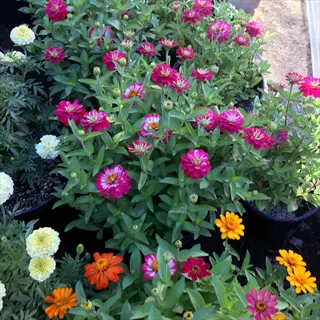
Zahara Series
- Height: Compact plants growing 12 to 18 inches (30 to 46 centimeters) in tidy mounded shapes ideal for front-of-border planting.
- Disease Resistance: Bred specifically for improved tolerance to powdery mildew and bacterial leaf spot compared to standard Z. elegans types.
- Best For: Hot and humid climate gardens where disease pressure makes traditional tall zinnias difficult to grow without fungicide treatments.
- Colors Available: Double Zahara comes in cherry, fire, raspberry, salmon, scarlet, and white with consistent bloom coverage all season.
- Growing Tips: Space 8 to 12 inches (20 to 30 centimeters) apart and enjoy self-cleaning blooms that drop spent petals without deadheading.
- Performance Rating: Rated good to excellent in university trial gardens, performing reliably even through the heat and humidity of midsummer.
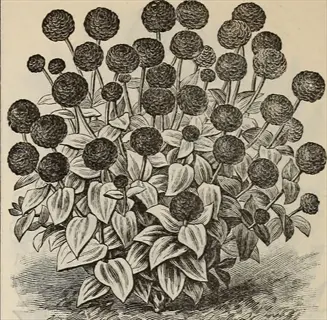
Lilliput Series
- Height: Compact plants reaching 18 to 24 inches (46 to 61 centimeters) tall with thin branching stems and small button-like flowers.
- Flower Form: Produces miniature fully double pompom blooms measuring just 1 to 2 inches (2.5 to 5 centimeters) across in clustered sprays.
- Best For: Filler flowers in mixed bouquets, cottage garden borders, and gardeners who prefer delicate blooms over large showy flowers.
- Colors Available: Sold as a mix including salmon, red, orange, yellow, white, and pink shades that create a colorful patchwork effect.
- Growing Tips: Direct sow seeds 6 to 8 inches (15 to 20 centimeters) apart after last frost for dense, floriferous plantings throughout summer.
- Cutting Value: The small blooms and thin stems make excellent filler for arrangements alongside larger focal flowers like dahlias or sunflowers.
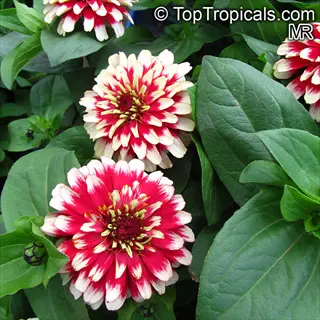
State Fair Giant Series
- Height: Tall plants growing 30 to 40 inches (76 to 102 centimeters) with thick main stems that rarely need staking in sheltered locations.
- Flower Size: Produces massive double and semi-double blooms up to 5 to 6 inches (13 to 15 centimeters) across in bright saturated colors.
- Best For: Gardeners wanting maximum visual impact in flower beds, county fair entries, or dramatic single-stem arrangements in tall vases.
- Colors Available: Comes in a vibrant mix of red, orange, yellow, pink, purple, salmon, and white shades for a bold garden display.
- Growing Tips: Space 12 to 18 inches (30 to 46 centimeters) apart and provide support in windy locations using pea netting or bamboo stakes.
- Beginner Friendly: One of the most forgiving zinnia series for first-time growers due to vigorous growth habit and reliable germination rates.
My top pick for beginners is the Profusion Series because it fights off disease on its own. If you want flowers for vases, go with Benary's Giant or Oklahoma for the longest stems and biggest blooms.
Planting Zinnias From Seed
Planting zinnias the right way starts with warm soil and good timing. Think of it like making a bed for your seeds. Warm soil is the mattress, seeds get tucked in at a quarter inch deep, and sunlight acts as the alarm clock that wakes them up. Direct sowing zinnias outdoors beats starting them inside because indoor starts tend to grow tall and weak.
The soil temperature for zinnias must hit at least 70°F (21°C) before you drop any seeds in the ground. I use a cheap soil thermometer from the garden center to check mine each spring. Seeds also need darkness to sprout, so make sure you cover them with a thin layer of soil after you press them in. Growing zinnias from seed this way gives you strong plants with thick stems from the start.
When to plant zinnias depends on your USDA zone. The table below shows spring and fall planting windows based on UF/IFAS Extension data. Gardeners in Zones 7 through 11 get a bonus fall planting window that most people miss.
Zinnia spacing matters more than most people think. Give tall types like Benary's Giant about 12 inches (30 centimeters) between plants. Compact types like Profusion can sit closer at 8 to 10 inches apart. I learned this lesson the hard way when my first zinnia row turned white with mildew after I packed them too close together.
Zinnia Care and Maintenance
Good zinnia care tips come down to 4 basic tasks that keep your plants blooming from summer through fall. Watering zinnias the right way comes first, then feeding them the correct zinnia fertilizer. Then pinch your zinnias at the right time and start deadheading zinnias when blooms fade. Get these 4 things right and your zinnias will reward you with nonstop flowers for months.
I want to point out the pinching trick because it changed my garden forever. Pinching zinnias at 10 to 12 inches feels wrong, like cutting a cake before the party starts. But that single cut triggers up to 3 times more blooms on each plant. I was shocked the first time I tried it and saw how many new stems shot out from below the cut.
Watering at Soil Level
- Frequency: Water deeply once or twice per week rather than daily, allowing the top 1 to 2 inches (2.5 to 5 centimeters) of soil to dry between sessions.
- Method: Always water at the base of plants using drip irrigation or a soaker hose to keep foliage dry and prevent fungal disease spread.
- Drought Tolerance: Established zinnias tolerate dry conditions better than wet ones, so erring on the side of underwatering is safer than overwatering.
Fertilizing for Blooms
- At Planting: Apply a balanced fertilizer with equal nitrogen, phosphorus, and potassium ratios when first transplanting or when seedlings emerge.
- Monthly Feeding: Switch to a fertilizer with higher phosphorus than nitrogen each month to promote flower production over excessive leaf growth.
- Avoid Excess Nitrogen: Too much nitrogen produces tall leafy plants with fewer blooms, so choose bloom-boosting formulas after the initial feeding.
Pinching for More Flowers
- When to Pinch: Cut the main growing tip when plants reach 10 to 12 inches (25 to 30 centimeters) tall, removing the top set of leaves and stem.
- Why It Works: Removing the terminal bud signals the plant to send energy into side branches, resulting in a bushier shape with up to three times more flower stems.
- Recovery Time: Pinched plants may look sparse for a week or two before branching fills in, then produce significantly more blooms throughout the season.
Deadheading Spent Blooms
- Technique: Cut spent flowers back to the next leaf node or branching point using clean, sharp pruners to encourage new bud formation immediately.
- Timing: Remove faded blooms every few days during peak season to prevent seed formation, which signals the plant to slow down flower production.
- Exception: The Profusion and Zahara series are self-cleaning and drop spent petals without manual deadheading, saving time in larger plantings.
Disease and Pest Management
Zinnia diseases are the one thing that can turn a beautiful garden ugly in a matter of days. NC State Extension rates zinnias as very sensitive to pests and diseases, so knowing what to look for saves your plants. I think of it like reading a weather report for your garden. White powder on the leaves means zinnia powdery mildew has arrived. Brown spots with gray centers point to alternaria leaf spot zinnia problems. Sudden wilting means you need to check the roots right away.
The good news is that most zinnia diseases are preventable with the right habits. Space your plants well and water at soil level to stop mildew before it starts. Disease-resistant zinnias like Profusion or Zahara also help a ton. For zinnia pest control, watch for Japanese beetles, aphids, and mites as the 3 biggest threats in my experience.
I lost an entire row of zinnias to bacterial leaf spot one August because I didn't rotate my planting beds. The plants looked fine one week and were dead the next. Now I move my zinnia patch to a new spot every single year without fail.
Zinnias for Pollinators
A zinnia pollinator garden does more work than almost any other flower bed you can plant. USDA research found at least 7 distinct pollinator species on zinnia blooms alone. Zinnias attract butterflies, bees, hover flies, and hummingbirds all at once. I set up a small zinnia patch 3 years ago and now it's the busiest spot in my yard.
Your butterfly garden zinnias turn into a full service rest stop throughout the day. Monarchs land in the morning for their first meal. Swallowtails refuel around noon. Hover flies show up by evening to grab what's left. Zinnias for hummingbirds work best when you plant red and orange varieties in open sunny spots where the birds can spot them.
One big warning about zinnias for pollinators. Some modern cultivars have had their pollen and nectar bred out for looks alone. Always check your seed packets for pollinator friendly labels before you buy. Single and semi-double flower types give bees and butterflies the best access to nectar.
Monarch Butterfly
- Behavior: Monarchs visit zinnia flowers primarily for nectar, using their long proboscis to reach deep into the tubular disc florets at the bloom center.
- Preferred Varieties: Single and semi-double zinnia varieties with open centers provide easier nectar access for monarchs than fully double cultivars.
- Garden Tip: Plant tall zinnia varieties like Benary's Giant or State Fair alongside milkweed to create a complete monarch habitat with both food and breeding plants.
Swallowtail Butterflies
- Species Observed: Black swallowtail and Eastern swallowtail butterflies have been documented visiting zinnia blooms in USDA research gardens.
- Pollen Transfer: Butterflies lack pollen baskets but transfer pollen between flowers on their legs and bodies while feeding on nectar.
- Attraction Strategy: Plant zinnias in large blocks of similar colors rather than scattered singles, as butterflies are drawn to concentrated color patches.
Honey Bees and Bumble Bees
- Foraging Pattern: Bees visit zinnia flowers for both pollen and nectar, working systematically across bloom heads and transferring pollen efficiently.
- Cultivar Warning: Some modern zinnia cultivars have had pollen and nectar bred out for appearance, so check seed packets for pollinator-friendly labeling.
- Best Choices: Profusion series, single-flowered types, and the Z. angustifolia species provide the most accessible pollen and nectar for bee visitors.
Hover Flies and Hummingbirds
- Hover Flies: These beneficial insects mimic bees and wasps to deter predators but are completely harmless and serve as important pollinator allies.
- Hummingbirds: Ruby-throated hummingbirds visit zinnia flowers for nectar, preferring red and orange varieties planted in sunny open areas.
- Combined Value: A mixed zinnia planting attracts at least 7 documented pollinator species, more than most individual garden flowers can provide alone.
Seed Saving and Propagation
Saving zinnia seeds is as simple as letting a few blooms dry right on the stem. The seeds package themselves inside each spent flower head, so you don't need any special tools. I save seeds from my best plants every fall and it keeps my garden going for free year after year. Zinnia seed saving gives you full control over which colors and forms show up next season.
Most gardeners don't know about zinnia cutting propagation, but it works great. You cut 4 to 6 inches off the top of a healthy stem and root it in water. Roots show up in about 3 to 4 weeks per UMN Extension data. I've used this trick to double my patch of a rare color. Zinnia seed propagation and cuttings give you 2 free ways to grow your collection.
Saving Seeds From Blooms
- When to Harvest: Leave 3 to 5 flower heads on the plant past their prime bloom and allow them to dry completely on the stem until petals are papery and brown.
- How to Extract: Gently pull apart the dried flower head over a clean surface, separating the small arrow-shaped seeds from the dried petal and chaff material.
- Storage Method: Place cleaned seeds in a labeled paper envelope and store in a cool, dry location away from direct sunlight for up to 3 years of viable germination.
Cutting Propagation in Water
- How to Take Cuttings: Cut 4 to 6 inches (10 to 15 centimeters) from the top of a healthy zinnia stem, removing lower leaves and placing the cut end in clean water.
- Rooting Timeline: Roots typically develop within 3 to 4 weeks in a bright location out of direct sunlight, with water changed every few days to prevent bacteria.
- Transplanting: Once roots reach 1 to 2 inches (2.5 to 5 centimeters) long, transplant the rooted cutting into moist potting mix and harden off before moving outdoors.
Succession Sowing Strategy
- Timing: Sow a new batch of zinnia seeds every 1 to 2 weeks from spring through midsummer to ensure continuous bloom coverage from early summer until first frost.
- Spacing Plan: Designate separate rows or sections for each sowing date so earlier plantings can be removed when they decline while later sowings take over.
- Season Extension: Late-summer sowings in Zones 7 through 11 can provide fresh blooms into October and November when spring-planted zinnias begin to fade.
Seed Viability and Selection
- Open-Pollinated Varieties: Seeds saved from open-pollinated zinnia varieties like Oklahoma and Lilliput will produce plants true to the parent flower color and form.
- Hybrid Caution: Seeds from hybrid series like Profusion or Zahara may not produce identical plants in the next generation due to genetic recombination.
- Germination Testing: Test saved seed viability by placing 10 seeds on a damp paper towel in a sealed bag; if 7 or more sprout within 10 days, the batch is still usable.
5 Common Myths
Zinnias must be started indoors under grow lights to get a head start on the growing season.
Direct sowing outdoors after soil reaches 70F (21C) produces stronger plants because indoor starts often become spindly and struggle to transplant.
All zinnia varieties are equally attractive to butterflies, bees, and other pollinator species.
Some modern cultivars have had pollen and nectar bred out for appearance, so always check seed packets if planting specifically for pollinators.
Zinnias only come in basic colors like red, yellow, and orange and lack variety in flower forms.
Zinnias come in every color except blue, with over 100 cultivars ranging from single daisy-like blooms to fully double, cactus, and scabiosa flower forms.
You should water zinnia flowers from overhead every day to keep them looking fresh and hydrated.
Overhead watering promotes powdery mildew; water at soil level once or twice weekly when the top 1 to 2 inches (2.5 to 5 centimeters) of soil are dry.
Zinnias are difficult flowers that require advanced gardening skills and constant attention to grow successfully.
Zinnias are among the easiest annual flowers to grow, tolerate heat and drought once established, and bloom reliably with minimal care from seed to frost.
Conclusion
Zinnia flowers pack a lot of value into one simple annual. You get 60 to 70 days from seed to bloom and colors in every shade except blue. They draw butterflies and bees while giving you cut flower quality that fills vases all summer. Few other annual flowers deliver that much range in a single plant.
The foundation for growing zinnias well stays the same no matter which variety you pick. Sow seeds straight into warm soil with full sun and good spacing between plants. Water at the base, feed with the right fertilizer, and pinch early for more blooms. These basics work for cutting gardens, pollinator beds, and container displays on your deck.
If you've never grown a flower before, zinnias are the place to start. They forgive mistakes, bounce back from drought, and bloom even when you forget to tend them for a week. I've watched brand new gardeners go from nervous to confident after just one season with these plants.
Each spent bloom that drops its seeds is an invitation for next year's zinnia garden. Save those seeds and plan your next round of colors. Or let nature handle the replanting on its own. Either way, your garden will keep giving back season after season.
External Sources
Frequently Asked Questions
Do zinnias come back every year?
No, zinnias are true annuals that complete their life cycle in one growing season and must be replanted each year.
Why are zinnias considered a dirty flower?
Zinnias are called dirty flowers because their leaves and stems are prone to powdery mildew, leaf spots, and other fungal issues that make foliage look unsightly.
What does zinnia flower symbolize?
Zinnia flowers symbolize endurance, lasting affection, and remembrance of absent friends, with different colors carrying additional meanings.
Do zinnias like sun or shade?
Zinnias strongly prefer full sun with a minimum of 6 to 8 hours of direct sunlight per day for optimal blooming.
Do zinnias do better in pots or in the ground?
Zinnias generally perform better planted in the ground, though dwarf varieties can succeed in containers with proper care.
How long do zinnias take to grow?
Zinnias grow from seed to first flower in approximately 60 to 70 days, with seeds germinating in 4 to 8 days.
Are zinnias poisonous to touch?
No, zinnias are non-toxic and safe to touch, and they are not poisonous to dogs, cats, or horses.
What flower is called the poor man's rose?
The zinnia is sometimes called the poor man's rose because it produces showy, rose-like double blooms at a fraction of the cost.
What should you not plant next to zinnias?
Avoid planting zinnias next to other mildew-prone plants, tall shade-casting crops, or plants that require very wet soil conditions.
Should you water zinnias every day?
No, zinnias prefer deep watering once or twice per week rather than daily shallow watering, which promotes root rot.