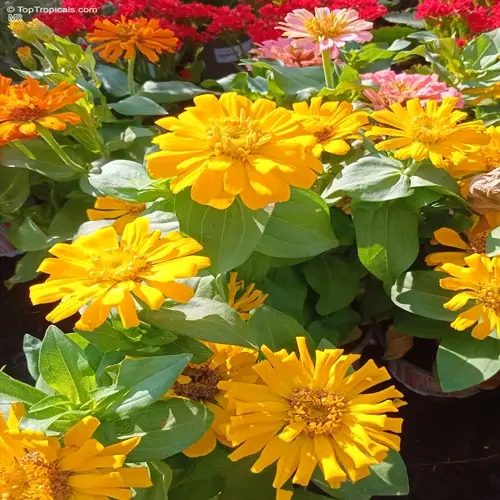

Zinnias easy to grow comes down to biology and where they came from. These flowers started as wild plants in the dry regions of Mexico. They survived harsh sun, poor soil, and long stretches without rain. That tough background means your garden zinnias can handle neglect, heat, and bad conditions that would kill most other annuals.
I planted zinnias next to petunias and impatiens in the same bed three years ago. By August, the petunias looked leggy and tired. The impatiens wilted in a hot spell while I was out of town. The zinnias? They were taller, bushier, and covered in blooms despite getting the same care. Less work from me, better results. That's the zinnia advantage.
Several built-in traits make zinnias hard to mess up for any gardener. These perks stack up in your favor from the moment you put the seed in the ground.
Drought Tolerance
- Origin advantage: Arid Mexican roots gave zinnias the ability to survive on less water than most garden annuals need during summer heat.
- Practical benefit: You can miss a watering day or two without seeing wilting, which makes them perfect for busy gardeners with packed schedules.
- Penn State data: Penn State Extension confirms this natural drought tolerance as a key trait that sets zinnias apart from fussier flowers.
Fast Germination
- Speed: Seeds sprout in just 4-8 days in warm soil, giving beginner zinnia growing an instant reward that keeps new gardeners motivated.
- Visibility: Large seeds produce thick sprouts you can spot right away, so you know exactly where your plants are growing from the start.
- Success rate: Zinnia seeds have one of the highest germination rates among annual flowers, often hitting 75-85% even for inexperienced growers.
Wide Climate Range
- Zone coverage: NC State Extension data shows zinnias grow in USDA Zones 2a through 11b, covering almost every climate on the continent.
- Soil flexibility: They handle acid, neutral, and alkaline soils without needing amendments, which means less prep work before planting day.
- Pet safety: NC State also confirms zinnias are non-toxic to horses, dogs, and cats, so families don't have to worry about safety.
Zinnia hardiness extends to pest and disease resistance too. While they can get powdery mildew in humid weather, the plants push through it and keep flowering. Most common garden pests leave zinnias alone because the stems and leaves aren't appealing targets. You rarely need to spray anything on these plants.
You only need three rules for growing zinnias well. Plant your seeds in full sun after your last frost date. Water at the base about once a week during dry spells. Deadhead spent blooms every few days to trigger new flowers. That's the whole routine. You don't need stakes, special feeding plans, or tricky pruning. These three steps keep your zinnias blooming from midsummer through the first hard frost.
In my experience, the sun part matters most. I tested a shady spot one year and the plants grew tall but gave me very few flowers. Moving them back into full sun the next season doubled my bloom count. Give your zinnias at least 6 hours of direct light and they'll reward you with nonstop color.
If you've struggled with other flowers, try zinnias first. Growing zinnias successfully is so simple that beginners look like pros. A $3 seed packet gives you months of bright color with almost zero effort. Few plants offer that kind of return on such a small amount of time and money.
Read the full article: How to Grow Zinnia Seeds Successfully