
The reason people find azaleas so hard to grow is that these shrubs have a few needs other plants don't share. But once you meet those needs, they take care of themselves. Your azaleas aren't fussy. They just need the right soil, light, and drainage from day one.
The azalea growing difficulty reputation is worse than the truth. I planted my first azalea in heavy clay soil without testing the pH. It sat near 7.2 and the plant turned yellow within two months. That was iron chlorosis from bad pH. A $10 soil test would have saved me the plant and the frustration. Most failed azaleas die because the gardener skipped that one simple step before digging the hole.
Three failure points cause almost every azalea death. Wrong soil pH tops the list. Your azaleas need a range of 4.5 to 6.0 and they show stress fast outside that window. Too much fertilizer comes second. Clemson Extension says you should only feed azaleas when you have a clear reason like a confirmed nutrient gap. Dumping fertilizer on a healthy plant does more harm than good. Poor drainage is the third killer. Standing water around the fine roots invites Phytophthora root rot. Once that fungus moves in, you can't save the plant.
Some of the worst azalea care mistakes come from trying too hard to help. UGA Extension warns you to never use aluminum sulfate to lower soil pH. It does acidify the soil but it builds to toxic levels in the root zone over time. Go with elemental sulfur instead since it works without the toxic buildup. Another key rule from UGA: don't fertilize when you plant. Fresh fertilizer pulls moisture away from tender new roots and can kill your transplant before it gets going.
Here's what makes azaleas easy once you follow the rules. They need almost no pruning. They don't want much fertilizer. They handle drought well once they settle into the right soil. And they bloom for years without you needing to replant. The hard part isn't the growing. It's the setup.
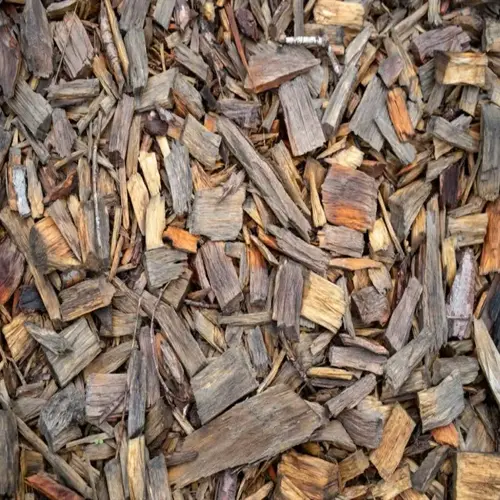
Test your soil pH before you buy a single plant. Choose a variety rated for your hardiness zone so cold isn't an issue. Plant in fall when cool air lets roots grow before summer heat shows up. Pick a spot with morning sun and afternoon shade. Use pine bark mulch to hold moisture and keep the soil acidic. Resist the urge to feed your azaleas unless a test tells you something specific is missing from the soil.
Follow those steps and you'll see why the hard reputation doesn't hold up. Most of the work happens once at planting time. After that, your azaleas reward you with years of bright blooms and very little fuss from season to season.
Read the full article: Azalea Bush Care and Growing Guide