
Introduction
I spent my first gardening summer pulling weeds for hours each week. Then a neighbor dropped off a truckload of wood chips and everything changed. That free pile of chipped branches cut my weeding time to almost nothing and kept the soil cool all season.
Oklahoma State University research backs up what I saw in my own yard. Garden mulch made from chipped wood keeps soil up to 30 degrees Fahrenheit cooler than bare ground. That kind of drop means your plant roots stay safe when the worst heat waves hit.
Most guides cover one or two uses for wood chips and stop there. This guide pulls together 10 proven uses backed by data from WSU Extension, SARE, and the USDA Forest Service. You'll find the best organic mulch options, the right depths for each job, and species picks that match your needs.
Think of them as the Swiss army knife of the garden. They handle everything from weed control to soil nutrition in a single material. Below you'll see how to put this resource to work in ways that save you time, money, and effort all season long.
10 Best Uses for Wood Chips
I've tested wood chip mulch in my own beds, on paths, and in a compost pile for 8 years now. SARE and USDA research backs up what I saw in my own garden. Wood chips control weeds in vegetable production and boost overall yields at the same time.
Each use below includes the exact depth you need and the research behind it. You'll find wood chip pathways for your backyard and playground surfacing for your kids. These 10 uses cover every way to put chipped wood to work.
Garden Bed Mulching
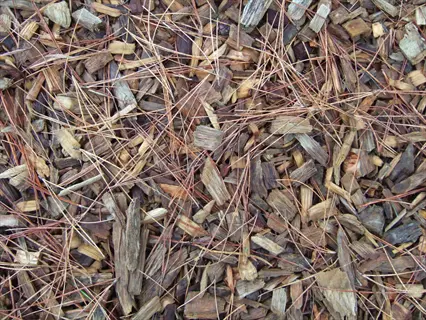
- Purpose: Spread wood chips 4 to 6 inches (10 to 15 centimeters) deep around garden plants to suppress weeds, retain moisture, and regulate soil temperature throughout the growing season.
- Weed Control: A 4 to 6 inch layer blocks sunlight from reaching weed seeds below, reducing germination by cutting off the light they need to sprout and grow.
- Temperature: Oklahoma State University research shows mulched soil can be up to 30 degrees Fahrenheit (17 degrees Celsius) cooler than bare soil during peak summer heat.
- Moisture: Wood chips slow water evaporation from the soil surface, keeping root zones consistently hydrated and reducing the frequency of watering needed.
- Nutrition: Over time, decomposing wood chips release nutrients back into the soil, increasing overall fertility and improving plant foliage health according to WSU Extension research.
- Tip: Leave a 3 inch (7.5 centimeter) gap between wood chips and plant stems or tree trunks to prevent moisture buildup against bark and reduce risk of rot.
Pathway and Walkway Cover
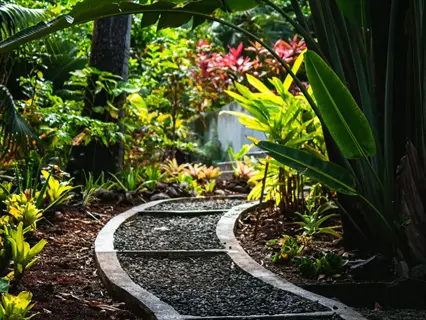
- Purpose: Layer wood chips 3 to 4 inches (7.5 to 10 centimeters) deep to create soft, natural-looking garden pathways that suppress weeds and stay comfortable underfoot.
- Installation: Clear the path area of existing vegetation, lay landscape fabric or thick newspaper as a weed barrier, then spread wood chips evenly across the surface.
- Drainage: Wood chips allow rainwater to pass through naturally unlike concrete or paving, preventing puddles and keeping pathways usable even after heavy rainfall.
- Cost: Wood chip paths cost a fraction of paving stones or gravel, and free arborist chips make this one of the most budget-friendly pathway options available.
- Maintenance: Top up pathways with fresh chips once per year as the bottom layer decomposes, which also feeds the soil beneath the path over time.
- Comfort: Walking on wood chips feels softer than gravel or stone, making them ideal for bare feet in kitchen gardens and play areas around the yard.
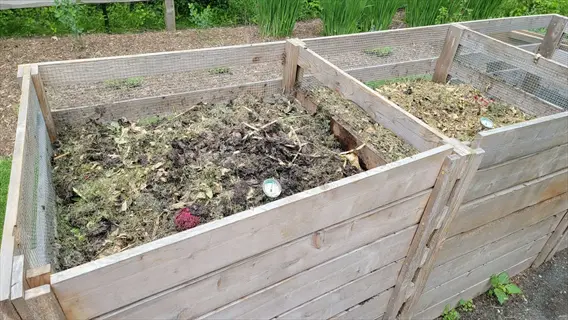
Composting Brown Material
- Purpose: Add wood chips as a carbon-rich brown material to compost piles, balancing nitrogen-rich greens like food scraps and fresh grass clippings for proper decomposition.
- Ratio: Aim for a carbon to nitrogen ratio of roughly 3 parts brown (wood chips) to 1 part green material by volume for efficient composting and heat generation.
- Aeration: The coarse texture of wood chips creates air pockets throughout the compost pile, improving oxygen flow that beneficial microorganisms need to break down organic matter.
- Moisture: Wood chips absorb excess moisture from food scraps and fresh greens, preventing the soggy anaerobic conditions that cause foul odors in poorly managed compost.
- Timeline: Wood chips in a hot compost pile take 6 to 12 months to fully break down, longer than leaves or straw but producing a richer finished product.
- Result: Finished wood chip compost has excellent structure and water-holding capacity, making it a premium soil amendment for vegetable beds and flower gardens.
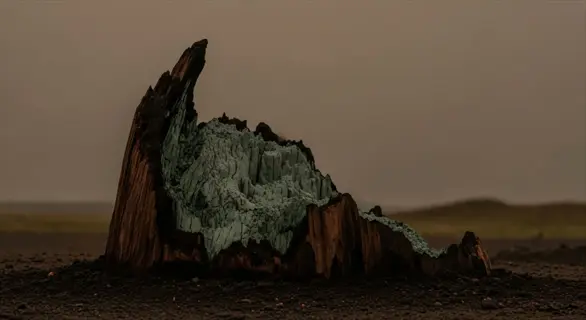
Erosion Control on Slopes
- Purpose: Spread wood chips 4 to 6 inches (10 to 15 centimeters) deep on slopes and hillsides to slow water runoff, protect exposed soil, and prevent erosion during heavy rain.
- Mechanism: The interlocking texture of wood chips catches and slows rainwater as it flows downhill, giving the soil beneath more time to absorb moisture before runoff occurs.
- Coverage: Apply chips across the entire slope surface rather than just at the bottom, starting from the top and working downward for maximum erosion control protection.
- Stormwater: Wood chips in rain gardens and drainage swales filter sediment and pollutants from stormwater runoff before it reaches streams, ponds, or municipal storm drains.
- Durability: Coarser wood chips stay in place on slopes better than fine mulch or shredded bark, which tends to wash away during the first heavy rainstorm.
- Bonus: As erosion control wood chips decompose over several years, they improve the underlying soil structure and fertility, making the slope more resistant to future erosion.
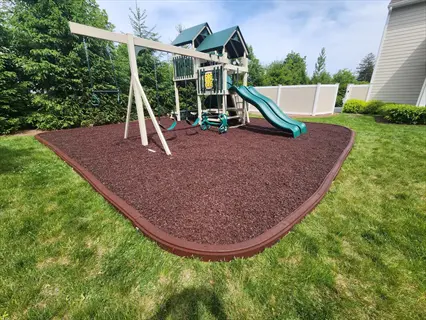
Playground Safety Surfacing
- Purpose: Install wood chips at least 12 inches (30 centimeters) deep beneath playground equipment to cushion falls and meet Consumer Product Safety Commission guidelines.
- Standard: The CPSC Public Playground Safety Handbook specifies that wood chip depth must vary by fall height, with 12 inches required for equipment up to 14 feet (4.3 meters) tall.
- Coverage: Protective playground surfacing must extend at least 6 feet (1.8 meters) in all directions from play equipment edges to cover the full fall zone around every structure.
- Material: Use untreated, natural wood chips without dyes or chemicals, and ensure the chips comply with ASTM F1292 impact attenuation standards for playground safety.
- Maintenance: Rake and redistribute wood chips weekly to fill in low spots created by foot traffic, and add fresh material at least twice per year to maintain safe depth.
- Cost: Wood chips are one of the most affordable playground surfacing options compared to rubber tiles or poured rubber, while providing excellent impact absorption.
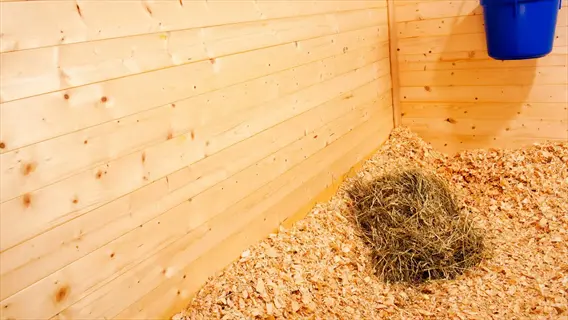
Animal Bedding Material
- Purpose: Use wood chips as absorbent, comfortable animal bedding in chicken coops, horse stalls, and livestock pens to control moisture, reduce odor, and keep animals healthy.
- Absorbency: Wood chips absorb moisture from animal waste, keeping bedding surfaces drier and reducing the ammonia fumes that can harm respiratory health in enclosed spaces.
- Species Warning: Never use cedar or black walnut chips for small animal bedding such as hamsters or rabbits, as the aromatic oils in cedar can irritate their sensitive respiratory systems.
- Depth: Layer wood chip bedding 4 to 6 inches (10 to 15 centimeters) deep in coops and stalls, and remove soiled material on a regular basis to maintain hygiene and comfort.
- Composting: Spent animal bedding mixed with wood chips makes excellent compost material because it combines high carbon wood with high nitrogen manure in a ready-made ratio.
- Savings: Using free arborist wood chips for animal bedding instead of commercial shavings can save livestock owners hundreds of dollars per year in bedding costs.
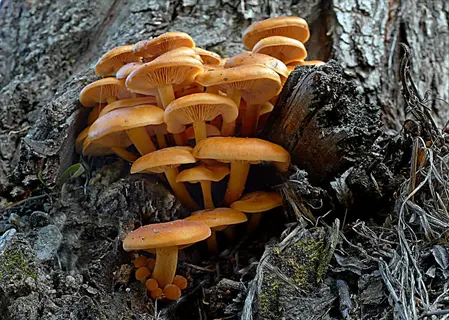
Mushroom Cultivation Substrate
- Purpose: Use fresh hardwood chips as a growing substrate for edible mushrooms like wine caps, oyster mushrooms, and shiitake by inoculating the chips with mushroom spawn.
- Species: Hardwood chips from oak, maple, beech, and poplar work best for mushroom cultivation because they contain the lignin and cellulose that fungal mycelium feeds on most.
- Freshness: Use wood chips that are less than two weeks old for mushroom growing, as fresh chips contain fewer competing molds and bacteria than older, decomposed material.
- Method: Spread a 4 to 6 inch (10 to 15 centimeter) layer of fresh chips in a shaded area, mix in mushroom spawn throughout, and keep the bed moist at all times.
- Harvest: Wine cap mushrooms grown on wood chip beds can produce their first harvest within 3 to 6 months of inoculation and continue fruiting for 2 to 3 years.
- Dual Use: After mushroom production slows, the decomposed wood chip bed makes an excellent mulch or compost addition, giving the material a second productive use.
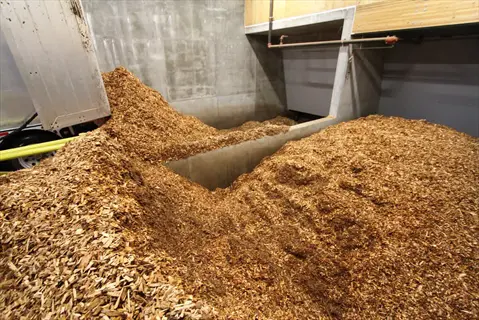
Biomass Energy Production
- Purpose: Wood chips serve as a renewable fuel source for biomass energy facilities that generate electricity and heat by burning chipped wood from forest management operations.
- Scale: The USDA Forest Service Hat Creek Bioenergy Facility in California generates 3 megawatts of electricity from wood chips, consuming 3 to 4 dry tons per hour around the clock.
- Jobs: The Hat Creek facility created 15 full time jobs in rural Burney, California, a town of about 3,000 people, showing how wood chip biomass energy supports rural economies.
- Byproduct: Burning wood chips for energy produces biochar as a byproduct, which farmers purchase as a valuable soil amendment that improves water retention and soil carbon content.
- Investment: The USDA Forest Service awarded 80 million dollars in Wood Innovation Grants in 2025, with an additional 200 million dollars invested to expand sustainable timber production.
- Forest Health: Biomass facilities treat about 5 square miles of forest per year through thinning operations, reducing wildfire risk while converting waste wood into usable energy.
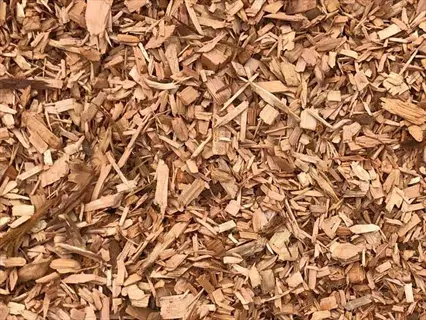
Natural Pest Repellent Layer
- Purpose: Certain wood chip species, cedar in particular, repel common household and garden pests without the need for chemical pesticides or synthetic treatments.
- Cedar Benefits: Washington State University research confirms that cedar wood chips repel clothes moths, cockroaches, termites, carpet beetles, Argentine ants, and odorous house ants.
- Application: Spread cedar wood chips 3 to 4 inches (7.5 to 10 centimeters) deep around building perimeters, garden borders, and outdoor seating areas for natural pest deterrence.
- Safety: Keep all wood chip mulch at least 6 inches (15 centimeters) away from building foundations to create a clear barrier zone that discourages pest entry into structures.
- Fire Safety: Coarse wood chips rank as the least flammable organic mulch option according to WSU Extension research, making them safer than fine bark or rubber mulch near buildings.
- Duration: The pest repellent oils in cedar chips remain effective for 1 to 2 years before the aromatic compounds break down, at which point a fresh top layer restores the effect.
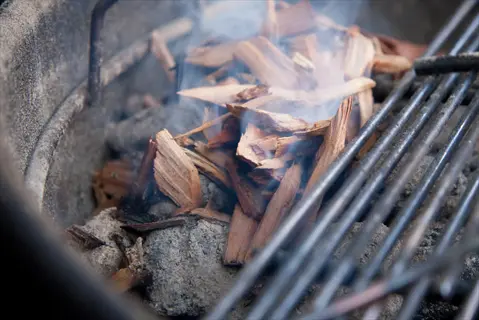
Smoking and Grilling Flavor
- Purpose: Use small, dry wood chips from fruit and hardwood trees to add smoky flavor to grilled and smoked meats, fish, vegetables, and cheeses on a barbecue or smoker.
- Species Selection: Apple and cherry wood chips give a mild, sweet smoke ideal for poultry and pork, while hickory and mesquite chips produce a stronger flavor suited to beef and ribs.
- Preparation: Soak wood chips in water for 30 minutes before adding them to hot coals or a smoker box, which slows burning and produces more smoke for better flavor infusion.
- Amount: Use 1 to 2 cups of wood chips per hour of cooking time, adding fresh chips as needed to maintain a steady stream of flavorful smoke.
- Warning: Only use untreated, natural wood chips for food smoking and never burn painted, stained, or chemically processed wood that could release harmful compounds.
- Storage: Keep smoking wood chips dry in a sealed container or bag until ready to use, as damp chips can develop mold that produces off flavors and harmful smoke.
Biomass energy and mushroom growing surprised me the most during my research. Most people think of mulch first. But wood chips serve a much wider range of jobs than you'd expect from a simple pile of chipped branches.
Wood Chip Application Guide
Think of wood chip depth like insulation thickness. More coverage means more protection for your soil, and each job has its own minimum requirement. I learned this the hard way when a thin 2 inch layer on my garden beds let weeds push right through after a few weeks.
WSU Extension recommends 4 to 6 inches for full weed control. OSU Extension found that even 2 inches cuts weed germination. The table below gives you the right wood chip layer thickness for every common mulch application. Use it as your guide so you know how to use wood chips the right way each time.
I keep a printed copy of this wood chip depth guide in my garden shed so I don't have to guess each spring. You'll save yourself a lot of wasted effort by matching the right depth to each job from the start.
Wood Species Selection
Not all wood chip types perform the same in your garden. I tested cedar wood chips, hardwood chips from oak and maple, and pine wood chips side by side for 3 seasons. The differences in pest control, breakdown speed, and mulch life were bigger than I expected.
The guide below sorts each species by its strengths. You can pick the best wood chips for mulch, composting, or grilling based on your needs. You'll also find safety notes for black walnut wood chips and cedar since both come with important warnings for certain uses.
Cedar (Western Red, Eastern)
- Pest Control: Cedar wood chips are proven to repel termites, cockroaches, clothes moths, carpet beetles, Argentine ants, and odorous house ants according to WSU Extension research.
- Decomposition: Cedar breaks down slow due to natural oils and resins that resist decay, making it one of the longest lasting options at 3 to 5 years before full breakdown.
- Animal Warning: Do not use cedar chips for small animal bedding like hamsters, guinea pigs, or rabbits because the aromatic phenol compounds can irritate their sensitive respiratory systems.
- Best Uses: Ideal for garden mulching, pest repellent borders around buildings, and outdoor pathways where long lasting coverage and insect deterrence are both priorities.
Oak and Maple (Hardwoods)
- Durability: Oak and maple chips decompose more slow than softwood species, lasting 2 to 4 years as mulch due to their dense, lignin rich wood structure.
- Mushroom Growing: These hardwood species are the preferred substrate for cultivating wine cap, oyster, and shiitake mushrooms because the mycelium feeds on their cellulose and lignin.
- Soil Building: As oak and maple chips break down, they add significant organic matter to the soil, improving structure, drainage, and long term fertility in garden beds.
- Best Uses: Excellent for garden bed mulching, mushroom cultivation, composting as a slow release carbon source, and any use where longer breakdown time is a plus.
Pine and Spruce (Softwoods)
- Availability: Pine wood chips and spruce are among the most common species because they grow fast and are often removed during property clearing and forest management.
- Decomposition: Softwood chips break down faster than hardwoods, lasting 1 to 2 years as mulch, which means more frequent refills but quicker soil improvement.
- Acidity Concern: Despite a common belief, WSU Extension field research confirms that pine and spruce chips do not change soil pH under real garden conditions.
- Best Uses: Good for temporary pathways, annual garden bed mulching where faster breakdown is fine, and composting where quicker breakdown contributes to faster finished compost.
Black Walnut
- Conflicting Advice: OSU Extension warns against chipping black walnut due to allelopathic juglone compounds, while WSU Extension research found no negative effects from surface applied black walnut wood chips.
- Key Distinction: The difference lies in how you use them. Mixing black walnut chips into soil can release juglone near roots, but spreading them on the surface allows the compound to break down safely.
- Precaution: If you have sensitive plants like tomatoes, peppers, or blueberries near the area, it is safest to skip black walnut chips or use them on pathways away from food crops.
- Best Uses: Acceptable for pathways and non food garden areas when used as surface mulch only. Avoid mixing into soil or using around known juglone sensitive plants as a precaution.
Fruit Trees (Apple, Cherry, Pecan)
- Dual Purpose: Fruit tree wood chips serve double duty as both excellent garden mulch and premium smoking wood for flavoring grilled and smoked meats, fish, and vegetables.
- Flavor Profiles: Apple wood produces mild, sweet smoke ideal for poultry and pork. Cherry gives a fruity note for game meats. Pecan offers a rich nutty flavor for beef.
- Decomposition: Fruit tree hardwood chips break down at a moderate rate of 2 to 3 years, placing them between fast breaking softwoods and very slow breaking cedar or oak.
- Best Uses: Perfect for food smoking and grilling applications, and just as effective as garden mulch when you have trimmings or removals from home orchard management.
How to Source Wood Chips
You don't have to spend a cent to get started with wood chips. I got my first load of free wood chips from a tree crew working down the street and they were glad to dump it in my yard. Start with the free options below. Move to paid ones only if you need a certain species or want wood chip delivery on your schedule.
Oklahoma State University data shows that yard debris makes up 20% of landfill waste. Every load of arborist wood chips you grab keeps that material out of the dump and puts it to work in your garden. Here's where to get wood chips at every budget level, whether you want to buy wood chips in bulk or grab them for free.
Local Arborists and Tree Services
- Cost: Free in most cases because arborists need to dispose of chipped material and will often deliver a full truckload to your property at no charge to save their own dump fees.
- Quality: Arborist wood chips are a mixed blend of bark, wood, and leaves from various tree species, which WSU Extension research ranks among the best mulch types for garden use.
- How to Connect: Call local tree care companies or use free wood chip matching services and community boards to request a delivery when crews work near your area.
Municipal Yard Waste Programs
- Cost: Free or very low cost at municipal composting sites where cities collect, chip, and give back yard waste to residents as part of waste reduction programs.
- Availability: Check your city or county public works website for locations and hours, as many programs run from spring through fall with limited winter access.
- Volume: Most municipal programs allow residents to fill a pickup truck or trailer at self serve sites, making this ideal for large garden and landscaping projects.
Garden Centers and Lumber Yards
- Cost: Expect to pay between 25 and 50 dollars per cubic yard for bagged or bulk wood chips at retail garden centers and building supply stores.
- Selection: Retail outlets offer specific wood species like cedar, pine, or hardwood blends that let you choose the exact type for your purpose, unlike mixed arborist loads.
- Convenience: Pre bagged wood chips come in standard 2 cubic foot bags, making them easy to transport in a car for small garden projects.
Own a Wood Chipper
- Cost: Buying a personal wood chipper ranges from 200 to 2,000 dollars based on capacity, while renting one from a tool rental shop costs 75 to 150 dollars per day.
- Control: Owning or renting a chipper gives you full control over which tree species and branch sizes go into your wood chips, ensuring untreated and clean material.
- Volume: A standard home chipper can process branches up to 3 inches (7.5 centimeters) in diameter, producing enough wood chips for small to medium garden projects in a single session.
I've used all 4 of these methods over the years. For most home gardeners, a call to your local arborist gives you the best deal. The chips are free and they handle the delivery for you.
Environmental Benefits
Eco-friendly wood chips do more than make your garden look nice. I saw the bigger picture when I learned that yard waste fills 20% of landfill space in Oklahoma alone. Every load you spread on your beds keeps branches out of the dump and puts them to work.
Wood chip sustainability runs deeper than most people think. The USDA put 200 million dollars into growing sustainable timber. They added 80 million more in Wood Innovation Grants. That push means more chips from forest thinning will reach you as a renewable resource.
Your chips support carbon sequestration every time they break down in soil. Landfill reduction starts when you chip branches instead of bagging them for the curb. The Hat Creek facility turns forest thinnings into 3 megawatts of clean power. Biochar from that process gets sold to farmers who boost their soil with it.
Fresh Versus Aged Wood Chips
I used to grab whatever chips were sitting in the pile without thinking about their age. That changed after I mixed fresh wood chips into a garden bed and watched my tomato plants turn yellow from nitrogen tie-up. WSU Extension research explains why this happens with a science first approach you can trust.
Fresh wood chips are rich in lignin, suberin, and tannins. WSU classifies them as slow decomposers. The key distinction comes down to where you put them. Spread fresh chips on top of your soil as mulch and they work great. Mix them in as a soil amendment versus mulch on top and you'll lock up nitrogen near your roots.
Aged wood chips have already gone through much of their wood chip decomposition process. That means less risk of nitrogen tie-up when you work them into your beds. The comparison table below gives you a side by side look at both types. Use it to pick the right chips for your garden.
5 Common Myths
Wood chips steal nitrogen from the soil and starve your plants of essential nutrients needed for healthy growth.
Research from Washington State University confirms nitrogen depletion occurs only in a thin surface layer at the mulch-soil boundary and does not reach established plant root zones below.
Using black walnut wood chips as mulch will poison and kill nearby plants through toxic allelopathic compounds.
WSU Extension research found that black walnut wood chips used as surface mulch show no negative effects on plants because the toxic compound juglone breaks down rapidly when exposed to air and microbes.
Wood chip mulch attracts termites to your home and causes serious structural damage to wooden buildings nearby.
Cedar wood chips actually repel termites, cockroaches, and ants. Keeping any mulch 6 inches (15 centimeters) or more from foundations eliminates risk regardless of mulch type.
Diseased wood chips spread plant diseases through the soil and infect the roots of healthy trees and shrubs.
Research shows that diseased wood used as surface mulch cannot transmit pathogens to the roots of healthy trees because surface decomposition conditions destroy most plant pathogens before they reach root zones.
Wood chip mulch makes soil too acidic over time and permanently changes the pH balance of your garden beds.
Field studies confirm that wood chip mulch does not significantly alter soil pH under real-world garden conditions, and any minor surface changes are temporary and negligible.
Conclusion
Wood chips do far more than cover bare dirt. This guide showed you 10 distinct ways to put them to work in your yard. Garden mulching, pathways, composting, erosion control, and mushroom growing are just the start. That range makes them one of the most useful materials you can own.
WSU Extension research proves that organic mulch from wood boosts nutrient levels in your soil and plant foliage over time. That means your wood chips aren't just a cover. They're an investment that pays you back with healthier plants and richer soil each year. Those garden mulch benefits add up fast.
I built my own sustainable gardening routine around wood chips 8 years ago. I started with a single bed of mulch from a local arborist. Now I use them on every path, in my compost, and around all my fruit trees. Start with one application and you'll see why chips earn a permanent spot in your yard.
Grab a free load from a tree crew or your city's yard waste program and give it a try this season. Your garden will thank you for it.
External Sources
Frequently Asked Questions
What is a wood chip used for?
Wood chips are used for garden mulching, composting, pathways, erosion control, playground surfacing, animal bedding, mushroom growing, biomass energy, and smoking food on a grill.
What is the difference between wood mulch and wood chips?
Wood mulch is a broad term for any wood-based ground cover, while wood chips are coarser pieces produced by chipping branches and include bark, wood, and leaves.
How to get a free wood chip?
Contact local arborists and tree care companies who often give away wood chips for free, or check municipal yard waste programs and online community boards.
What is the meaning of woodchips?
Woodchips are small pieces of wood produced by cutting or chipping larger branches and trunks, used as mulch, fuel, composting material, or ground cover.
What are the disadvantages of wood chips?
Wood chips can temporarily tie up surface nitrogen, attract certain fungi, require periodic replenishment, and may harbor weed seeds if sourced from contaminated material.
Is wood chip asbestos?
No, wood chips are not asbestos. Some older building materials called wood-cement boards contained asbestos fibers, but natural wood chips from trees are completely asbestos-free.
When should I use wood chips?
Apply wood chips in early spring before weed seeds germinate or in fall to insulate soil over winter, and replenish as needed throughout the growing season.
What are the disadvantages of mulching?
Mulching can retain excess moisture in wet climates, harbor pests like slugs, create fungal growth, require regular replenishment, and cost money if not sourced for free.
What to use instead of woodchips?
Alternatives to wood chips include straw, gravel, shredded leaves, pine needles, rubber mulch, landscape fabric, and living ground covers like clover.
How long do wood chips last?
Wood chips typically last 2 to 4 years depending on wood species, chip size, climate, and moisture levels, with hardwoods lasting longer than softwoods.