
A wood chip used for garden mulching is the most common choice, but chips serve dozens of purposes beyond that. You can use them for composting, building pathways, stopping erosion, and even fueling power plants.
The most popular uses for wood chips center on garden and landscape work. I've tested wood chips across my own garden beds for five growing seasons now, and mulching remains the single best use I've found. A 4-6 inch layer of wood chips blocks sunlight from reaching weed seeds, holds moisture in the soil, and feeds earthworms as it breaks down. WSU Extension recommends this depth range for effective weed control in garden beds.
The science behind mulching explains why it works so well. Wood chip mulch can reduce soil temperature by up to 30°F (17°C) during hot summer months. This cooler soil keeps roots healthy and slows water evaporation. Your plants get more consistent moisture without you running the sprinkler as often. I noticed my water bill drop by about 25% the first summer I mulched with wood chips.
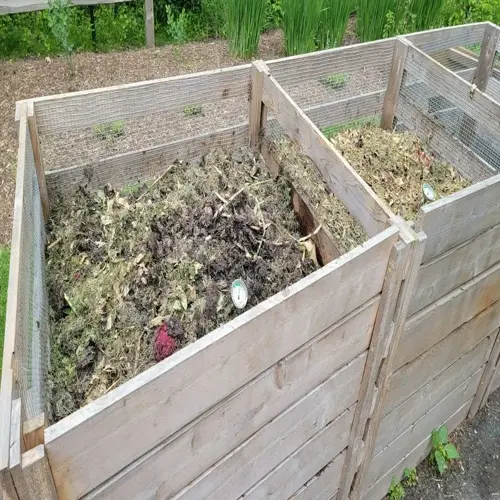
Composting is another major use that taps the high carbon content in wood chips. They serve as the brown material in your compost pile, balancing out green scraps like kitchen waste. The ideal ratio sits around 30 parts carbon to 1 part nitrogen, and chips make that target easy to hit. Uses for wood chips in composting also include making air pockets. These gaps let oxygen reach the microbes that do the hard work of breaking down your scraps into rich soil.
Garden Pathways
- Walking surface: A 3-4 inch layer of wood chips creates a soft, mud-free path between garden beds that stays comfortable in all weather.
- Weed suppression: Thick chips block weeds from sprouting on pathways and save you hours of pulling and spraying each month.
- Cost savings: Free arborist chips turn bare dirt paths into attractive walkways without spending money on pavers or gravel.
Playground Safety Surface
- CPSC standard: The Consumer Product Safety Commission recommends 12 inches of wood chips under playground equipment for fall protection.
- Impact absorption: Wood chips cushion falls better than rubber mats in many cases and cost a fraction of the price to install.
- Maintenance need: You must rake and replenish chips every few months since foot traffic compacts them and reduces their cushioning ability.
Erosion Control
- Slope protection: Spreading wood chips on bare slopes slows rainfall runoff and keeps topsoil from washing away during storms.
- Water filtration: Chips act as a natural filter that catches sediment before it enters storm drains or local waterways.
- Establishment aid: New plantings on hillsides survive better with a chip layer holding moisture around their roots during dry spells.
Wood chip applications go well past the garden too. Mushroom growers use hardwood chips as a growing bed for wine cap and oyster types. I started a small wine cap patch on chips two years ago. That one patch gave me over ten pounds of mushrooms in a single season.
USDA biomass plants burn wood chips to make 3 megawatts or more of power. Grill masters use fruit wood chips to smoke meat with rich flavor. Farmers spread chips as bedding in horse stalls and chicken coops. The range of wood chip applications makes them one of the most useful free materials around.
Start with mulching if you've never used wood chips before. Spread a 4-6 inch layer around your trees and garden beds this spring. You'll spend less time watering and pulling weeds all summer long. Once you see those results, you'll want to find even more ways to put chips to work around your property. The best part is that local arborists give them away for free in most areas, so you won't spend a dime getting started.
Read the full article: 10 Best Uses for Wood Chips