
Introduction
The panicle hydrangea is the one shrub that won't let you down. Other hydrangea types demand perfect conditions and throw fits over cold snaps. Hydrangea paniculata shrugs off harsh winters and blazing summers with ease. In my experience, these plants thrive in spots where everything else gave up.
If bigleaf hydrangeas are the divas of the garden, these shrubs are the reliable workhorses that bloom no matter what. The Chicago Botanic Garden tested 45 cultivars for 20 straight years in Zone 5b. They recorded zero winter losses across every single plant. That's real data proving this cold hardy hydrangea can take whatever nature throws at it.
What sets these plants apart goes beyond winter toughness. NC State Extension confirms they handle air pollution, salt spray, and cramped urban lots. You can plant them along busy roads or in city courtyards and still get massive blooms each summer. This sun tolerant hydrangea also takes up to 10 hours of direct light without wilting.
This guide covers the 8 best cultivars backed by trial data. You'll also find planting tips, seasonal care, and landscape design ideas. Whether you're picking your first shrub or adding more, you'll learn what it takes to grow stunning blooms for years.
8 Best Panicle Hydrangea Cultivars
I tested dozens of panicle hydrangea varieties over the years, but trial data tells a bigger story. The Chicago Botanic Garden grew 45 cultivars for 20 years and rated 8 as excellent. These are the best panicle hydrangea cultivars you can buy right now.
Bloom styles fall into two groups that help you pick the right look. "Mop" types have dense flower heads packed with large petals. "Lacy" types mix showy petals with small fertile flowers for an airy feel. Flower size ranges from 4 to 14 inches across cultivars, so your choice matters. Limelight hydrangea and Pinky Winky hydrangea sit at the top of every list for good reason.
Compact picks like Little Lime and Little Quick Fire work great as a dwarf panicle hydrangea option for small yards. Limelight Prime won the 2023 National Hydrangea of the Year award. This family just keeps getting better.
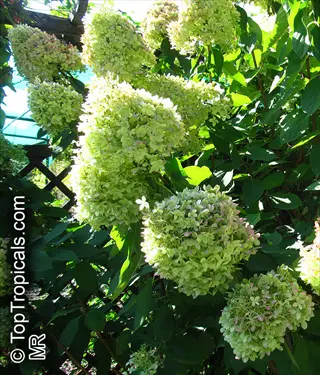
Limelight
- Trial Rating: Earned a 5-star excellent rating in the Chicago Botanic Garden 20-year trial, the longest hydrangea cultivar study ever conducted in North America.
- Mature Size: Reached 70 inches (178 centimeters) tall and 100 inches (254 centimeters) wide after 9 years of annual pruning in Zone 5b clay-loam soil.
- Bloom Character: Produces large mop-style panicles that open chartreuse-green, mature to creamy white, and finish with deep pink tones in autumn.
- Sun Tolerance: Thrived with up to 10 hours of full sun daily during the Chicago trial without any supplemental irrigation or shade protection.
- Landscape Use: Works as a specimen shrub, informal hedge, or background planting and provides excellent cut flowers for fresh or dried arrangements.
- Maintenance: Required zero fertilization, zero deadheading, and zero winter mulching throughout the entire 20-year trial period while maintaining vigorous growth.
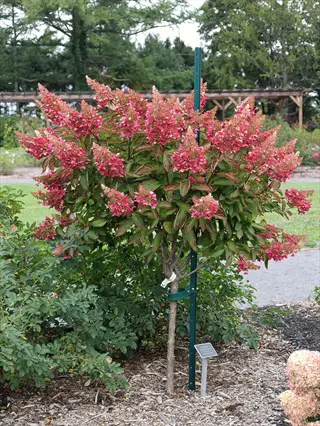
Pinky Winky
- Trial Rating: Received the highest 5-star excellent rating from the Chicago Botanic Garden after 20 years of evaluation in challenging alkaline clay-loam soil.
- Bloom Character: Produces distinctive two-toned panicles where the lower florets turn deep pink while new white florets continue opening at the tip throughout summer.
- Mature Size: Grows into a large upright shrub reaching 8 to 10 feet (2.4 to 3 meters) tall with strong stems that hold heavy panicles upright without staking.
- Hardiness: Survived 20 consecutive winters in USDA Zone 5b without any stem dieback, winter mulching, or protective wrapping of any kind.
- Design Appeal: The bicolor flower effect creates a dramatic display that stands out in mixed borders, cottage gardens, and naturalized landscape plantings.
- Cut Flower Use: The sturdy stems and long-lasting color transition make Pinky Winky an excellent choice for fresh arrangements with a vase life exceeding 7 days.
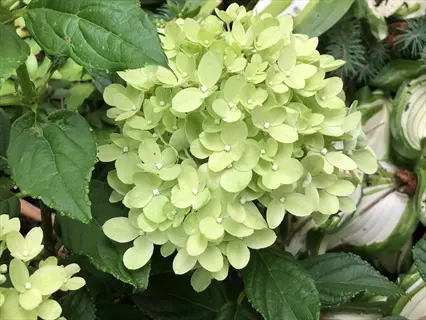
Little Lime
- Trial Rating: Achieved a 5-star excellent rating in the 20-year Chicago Botanic Garden trial, standing out among compact cultivars for consistent performance.
- Compact Size: Grows to approximately 3 to 5 feet (0.9 to 1.5 meters) tall and wide, making it ideal for small gardens, containers, and foundation plantings.
- Bloom Character: Produces mop-style panicles that mirror Limelight's color progression from lime green to white to pink but on a smaller, more manageable plant.
- Versatility: Fits comfortably in containers, raised beds, and tight garden spaces where full-sized panicle hydrangeas would overwhelm the planting area.
- Low Maintenance: Required no fertilization, no deadheading, and no winter protection during two decades of evaluation in alkaline clay-loam soil conditions.
- Seasonal Interest: Dried flower heads persist through winter, adding structure and texture to the garden during months when most perennials have gone dormant.
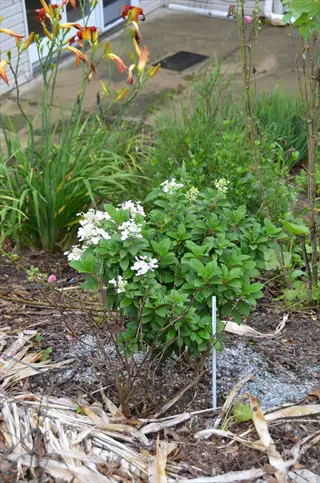
Little Quick Fire
- Trial Rating: Earned a 5-star excellent rating and was noted as the smallest cultivar in the entire 45-plant Chicago Botanic Garden trial at just 39 inches (99 centimeters) tall.
- Early Blooming: One of the earliest panicle hydrangeas to flower, often starting in early summer weeks before other cultivars begin their bloom cycle.
- Compact Form: The smallest top-rated cultivar, perfect for container gardening, small urban gardens, or front-of-border positions in mixed perennial plantings.
- Color Development: Opens with white lacy panicles that quickly transition through pink stages, reaching deep rosy-pink tones earlier than most panicle hydrangea cultivars.
- Cold Hardiness: Survived every winter across the 20-year trial in Zone 5b without any losses, confirming exceptional cold tolerance for such a compact plant.
- Beginner Friendly: Requires minimal pruning due to its naturally compact habit and produces abundant blooms even without any fertilizer or soil amendments.
Big Ben
- Trial Rating: Received a 5-star excellent rating from the Chicago Botanic Garden, recognized for its outstanding flower production and strong upright growth habit.
- Bloom Character: Produces large lacy panicles with a mix of showy sterile florets and smaller fertile florets, creating an airy, elegant appearance in the garden.
- Color Transition: Flowers open white and develop deep pink to almost red tones as they age, offering one of the most intense color changes among panicle hydrangeas.
- Growth Habit: Forms a strong upright shrub with sturdy stems that resist flopping even when bearing heavy flower panicles during rainy or windy summer weather.
- Fragrance: One of the few panicle hydrangea cultivars noted for having a detectable light fragrance, adding sensory interest beyond visual appeal in the garden.
- Pollinator Value: The mix of fertile and sterile florets attracts bees and beneficial insects while still providing the large showy display gardeners want.
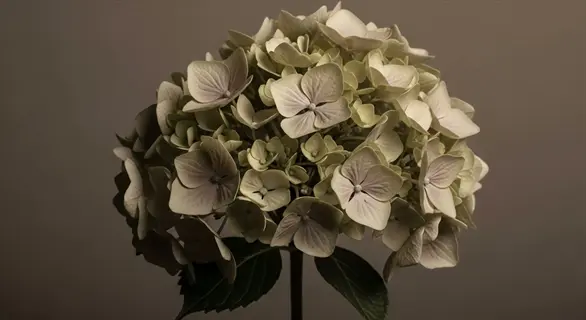
Fire and Ice
- Trial Rating: Achieved the highest 5-star excellent rating in the 20-year Chicago Botanic Garden trial, valued for its dramatic bicolor flower display.
- Bloom Character: Named for its striking contrast where white florets at the panicle tip sit above deep strawberry-pink aged florets at the base simultaneously.
- Mature Size: Grows to a moderate 5 to 7 feet (1.5 to 2.1 meters) tall and wide, fitting well in foundation plantings and mixed shrub borders without overwhelming.
- Stem Strength: Produces strong, upright stems that hold panicles well without bending or requiring support, unlike some cultivars prone to flopping after rain.
- Seasonal Display: The color contrast intensifies as summer progresses, creating a dynamic display that changes week by week from midsummer through early autumn.
- Winter Interest: Dried panicles remain attractive through winter, with the aged flower heads adding warm brown tones and architectural structure to dormant garden beds.
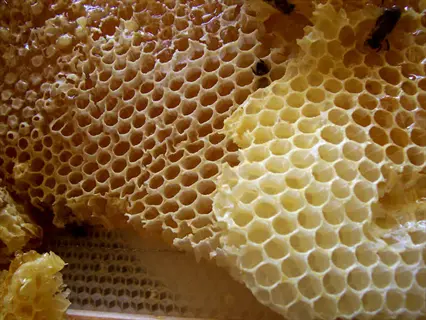
Honeycomb
- Trial Rating: Earned a 5-star excellent rating at the Chicago Botanic Garden, noted for its unique warm golden tones that set it apart from other cultivars.
- Bloom Character: Produces large mop-style panicles that open creamy white and develop unusual honey-gold tones before transitioning to pink as temperatures cool.
- Unique Color: One of the only panicle hydrangea cultivars that develops warm amber and golden hues, providing a color palette uncommon among Hydrangea paniculata selections.
- Growth Habit: Forms a well-branched, upright shrub with sturdy architecture that holds up well without staking even when carrying large, heavy flower panicles.
- Adaptability: Performed excellently in the alkaline clay-loam soil of the Chicago trial at pH 7.4, proving it thrives even outside the slightly acidic range often recommended.
- Garden Impact: The warm-toned flowers pair beautifully with fall garden colors, ornamental grasses, and rust-colored perennials for cohesive autumn landscape combinations.
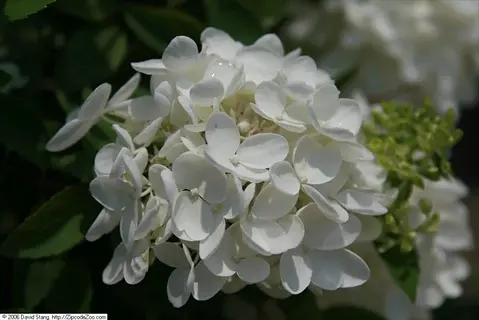
White Diamonds
- Trial Rating: Received a 5-star excellent rating from the Chicago Botanic Garden 20-year evaluation, completing the group of 8 top-performing cultivars.
- Bloom Character: Produces dense mop-style panicles packed with large sterile florets that open bright white and maintain their pure color longer than most cultivars.
- Flower Size: The panicles are notably full and rounded, creating a lush, generous appearance that works well in both formal and cottage-style garden settings.
- Growth Habit: Develops a compact, well-rounded shrub form reaching approximately 5 to 6 feet (1.5 to 1.8 meters) tall, suitable for smaller gardens and borders.
- Late Season Color: Eventually transitions from pure white to soft pink, extending the visual interest from midsummer well into the autumn months before dormancy.
- Cut Flower Quality: The dense, full panicles with bright white florets make White Diamonds especially popular for fresh-cut arrangements and wedding flower designs.
Planting and Soil Needs
Planting panicle hydrangeas is simpler than most guides make it sound. I've put them in sandy beds, heavy clay, and everything between. They grew fine each time. The key is making sure water drains away from the roots instead of pooling around them.
You might see conflicting advice about panicle hydrangea soil prep online. Some experts say to mix in compost. Others say to skip amendments. The Chicago Botanic Garden grew 45 cultivars in unamended clay soil at pH 7.4 for 20 years with great results. That tells me your native soil is good enough in most cases. Just make sure you have well-draining soil so roots don't sit in standing water.
Watch out for the "bathtub effect" when you dig your planting hole. If you fill the hole with loose amended soil while dense clay surrounds it, water pools in the hole like a bathtub. Your roots drown before they can spread out. Dig your hole twice as wide as the root ball but no deeper. Set the crown level with the ground and backfill with the same dirt you removed.
This is the ultimate full sun hydrangea. NC State data shows they reach 8 to 15 feet tall and can hit 25 feet at their max. Give them at least 6 hours of sun each day, but they handle up to 10 hours without stress. They also tolerate air pollution and salt spray, so this clay soil hydrangea works great for urban and coastal gardens. The table below shows how they compare to other hydrangea types.
Seasonal Care Calendar
Good panicle hydrangea care comes down to doing the right task at the right time. I bookmark my own care schedule so I never miss a key window. You don't need to fuss over them much. A simple seasonal plan keeps your panicle hydrangea maintenance on track.
Bloom times run from June through October based on which cultivar you grow. Quick Fire opens first in early summer while other types peak in July and August. Knowing when to plant panicle hydrangeas and when to prune them makes all the difference. The RHS trial found that light pruning gives you more flowers but smaller ones, while hard pruning produces fewer but larger blooms. Your panicle hydrangea fertilizer needs shift with the seasons. The same goes for panicle hydrangea water amounts.
Spring: March Through May
- Pruning: Complete all pruning before new growth begins, cutting stems back by one-third to one-half to encourage strong branching and large flower panicles.
- Planting: Install new container-grown panicle hydrangeas once the soil is workable, spacing plants 6 to 10 feet (1.8 to 3 meters) apart for hedges.
- Feeding: Apply a single dose of slow-release balanced fertilizer in early spring, though the Chicago Botanic Garden trial proved fertilization is optional.
- Watering: Begin regular watering for newly planted shrubs, providing 1 inch (2.5 centimeters) of water per week as temperatures warm and new foliage emerges.
Summer: June Through August
- Bloom Watch: Expect first flowers from early-blooming cultivars like Quick Fire in June, with most varieties reaching peak bloom from July through August.
- Watering: Water deeply during dry spells, especially in full sun locations, providing 1 to 2 inches (2.5 to 5 centimeters) of water weekly during heat waves.
- Cut Flowers: Harvest panicles for fresh arrangements when most florets have opened but before they start turning pink for the longest vase life.
- Monitoring: Watch for occasional aphids, mites, or powdery mildew during humid weather, though NC State Extension reports these are rarely a serious problem.
Fall: September Through November
- Color Transition: Enjoy the natural color shift as white panicles turn pink, rose, and deep burgundy throughout autumn across most cultivars.
- Drying Flowers: Harvest panicles for drying when they feel papery to the touch and have developed their final pink or burgundy coloring on the shrub.
- Reduce Watering: Gradually decrease watering frequency as temperatures cool and the plant prepares for dormancy in late autumn.
- Leave Flower Heads: Consider leaving dried panicles on the plant for winter interest, as they add structural beauty to the dormant garden landscape.
Winter: December Through February
- No Protection Needed: The Chicago Botanic Garden trial confirmed zero winter losses and zero stem dieback across 45 cultivars in Zone 5b without any winter protection.
- Winter Interest: Dried flower heads covered in frost or snow create a striking winter display that adds texture and form to an otherwise bare garden.
- Container Care: Move container-grown panicle hydrangeas to a sheltered spot against a building wall or into an unheated garage in zones colder than 5.
- Planning: Use the dormant season to plan spring pruning, order new cultivars, and prepare planting sites for additions to your panicle hydrangea collection.
Propagation Techniques
Learning how to propagate panicle hydrangea saves you serious money over time. I started with one Limelight and turned it into 12 shrubs over 3 seasons. NC State Extension says panicle hydrangea cuttings work best for home growers like us.
When you start is key with panicle hydrangea propagation. In my experience, softwood cuttings hydrangea growers take in early summer root the fastest. You can also try hardwood cuttings in late fall if you miss that window. A rooting hormone hydrangea dip boosts your success rate, but it's not required for every method below.
Softwood Stem Cuttings
- Best Timing: Take softwood cuttings in early to midsummer when new growth is still flexible and green but has begun to firm up at the base of the stem.
- Cutting Length: Select healthy non-flowering stems and cut 4 to 6 inch (10 to 15 centimeter) sections just below a leaf node where rooting hormones concentrate naturally.
- Preparation: Remove the lower leaves, dip the cut end in powdered rooting hormone, and insert the cutting into a pot filled with moist perlite and peat mix.
Hardwood Cuttings
- Best Timing: Take hardwood cuttings in late autumn after leaf drop, selecting pencil-thick stems from the current season's growth that have fully hardened.
- Overwintering Method: Bundle cuttings together, store them in slightly damp sand in an unheated garage, and pot them up in early spring when buds begin to swell.
- Success Rate: Hardwood cuttings root more slowly than softwood cuttings but require less monitoring since they are dormant and do not need humidity domes or misting.
Water Rooting
- Method: Place fresh softwood cuttings in a jar of clean water with the lower leaves removed, changing the water every 2 to 3 days to prevent bacterial buildup.
- Timeline: Roots typically appear within 2 to 4 weeks in water, but these water-grown roots are more fragile and require careful transitioning to soil.
- Limitation: Water-rooted cuttings develop thinner, less branched root systems compared to soil-rooted cuttings and may experience transplant shock when moved to garden soil.
Ground Layering
- Technique: Bend a low-growing stem to the ground, wound the bark lightly where it contacts soil, pin it down with a landscape staple, and cover with 2 inches of soil.
- Timeline: The layered stem typically develops a strong independent root system within one full growing season before being severed from the parent plant.
- Advantage: Ground layering has the highest success rate of all propagation methods because the stem stays attached to the parent plant and continues receiving water and nutrients.
Start with softwood cuttings if you're new to propagation. They root in 4 to 6 weeks and give you the best chance of success on your first try.
Landscape Design Uses
Landscaping with panicle hydrangeas gives you design options that other shrubs can't match. I've used them as hedges, focal points, and container accents in my own yard. NC State data shows they attract pollinators and give small mammals shelter, so your garden gains wildlife value too.
You can train a panicle hydrangea into a hydrangea tree form for a formal look. Just pick one strong stem, remove the rest, and prune the top into a rounded canopy. This works best with upright growers like Pinky Winky. Finding the right companion plants for panicle hydrangea adds even more color and texture from spring through fall.
Privacy Hedge and Screening
- Spacing: Plant full-sized cultivars like Limelight or Pinky Winky 6 to 8 feet (1.8 to 2.4 meters) apart for a dense informal hydrangea hedge that fills in within two growing seasons.
- Best Cultivars: Choose upright growers with strong stems like Pinky Winky or Big Ben that maintain structure without flopping even when carrying heavy flower panicles.
- Companion Understory: Plant low ornamental grasses or hostas beneath the hedge to fill the bare lower stems and create a layered, polished landscape effect.
Foundation Plantings
- Size Selection: Use compact cultivars like Little Lime or Little Quick Fire for foundation planting hydrangea spots, keeping plants at least 3 feet (0.9 meters) from the wall.
- Design Balance: Pair compact panicle hydrangeas with evergreen boxwood or yew shrubs to maintain year-round structure when the hydrangeas are leafless in winter.
- Avoid Overgrowth: Full-sized cultivars can reach 15 feet (4.6 meters) tall and should not be planted near windows or doorways where they will block views.
Companion Planting Combinations
- Perennial Partners: Pair with coneflowers, black-eyed Susans, and Russian sage for a garden that provides blooms from early summer through late fall.
- Ornamental Grasses: Plant switchgrass, fountain grass, or maiden grass alongside your shrubs to create movement and texture that boosts both plants.
- Spring Bulbs: Underplant with daffodils, tulips, and alliums to provide early spring color before the hydrangea foliage emerges and fills the garden space.
Container and Patio Growing
- Hydrangea Container Size: Use pots at least 18 to 24 inches (46 to 61 centimeters) wide with drainage holes, filled with a well-draining potting mix rather than garden soil.
- Best Cultivars: Dwarf varieties like Bobo, Little Quick Fire, and Little Lime are ideal container choices that stay compact without harsh pruning each season.
- Overwintering: In zones colder than 5, move containers against a building wall or into an unheated garage to protect roots from freeze-thaw cycles.
Cut Flowers and Drying
Panicle hydrangea cut flowers last longer in a vase than most garden blooms. In my experience, they outperform roses and dahlias when you treat them right. UNH research found that 100% of florists they surveyed wanted to buy local hydrangea stems. The industry standard for hydrangea vase life is at least 7 days, and panicle types beat that with ease when you harvest them right.
Cut flower farms grew by 60% from 2007 to 2017 based on UNH data, and panicle hydrangeas are a big part of that growth. Their thick stems and big blooms make them the best panicle hydrangea for cut flowers you can grow in your own yard.
The boiling water method works great for fresh stems. Cut your panicles in the morning, strip the lower leaves, and dip the stem ends in boiling water for 30 seconds. Then move them straight into a vase of cool water. This opens the stem vessels and helps them drink more water for a longer display.
Learning how to dry panicle hydrangea is just as simple. Wait until the blooms feel papery on the bush and show pink or burgundy tones. Cut them and place in a vase with 2 inches of water. Let the water dry up on its own. This slow method locks in the color better than air drying alone. Your dried hydrangea flowers will hold their shape and color for months in any arrangement.
5 Common Myths
Panicle hydrangeas change flower color based on soil pH, just like bigleaf hydrangeas do in acidic or alkaline conditions.
Panicle hydrangea flower color is genetically determined and shifts from white to pink as blooms age, regardless of soil pH or aluminum availability.
Panicle hydrangeas need rich, amended soil and regular fertilizer applications to produce large flower panicles each season.
The Chicago Botanic Garden trial grew 45 cultivars for 20 years in unamended clay-loam soil with zero fertilization, and nearly two-thirds earned high ratings.
Pruning panicle hydrangeas at the wrong time of year will prevent them from blooming the following summer.
Panicle hydrangeas bloom on new wood produced in spring, so pruning at any time will not eliminate flowering, though late winter pruning is ideal.
Panicle hydrangeas are fragile plants that require winter protection like mulching, wrapping, or moving containers indoors.
All 45 cultivars in the Chicago Botanic Garden trial survived 20 winters in Zone 5b with zero plant losses and zero stem dieback, without any winter protection.
Panicle hydrangeas perform poorly in full sun and need at least partial shade to prevent leaf burn and wilting.
Panicle hydrangeas are the most sun-tolerant hydrangea species and thrive with up to 10 hours of direct sunlight daily, as demonstrated in the Chicago trial.
Conclusion
Panicle hydrangea stands out as the toughest and most flexible flowering shrub you can plant in your garden. Hydrangea paniculata beats every other type by a wide gap. It handles zones 3 through 8, full sun, clay soil, and city air without breaking a sweat. The fact that it blooms on new wood means you never risk losing flowers from a bad pruning job.
The Chicago Botanic Garden data backs up what I've seen in my own yard over the years. All 45 cultivars survived 20 winters with zero losses. 8 of them earned the best panicle hydrangea rating you can get. That kind of track record gives you real confidence when you put your money down at the nursery. This hardy hydrangea just keeps on growing strong.
Don't stop at just planting them and walking away though. Use companion plants to extend your color show from spring through fall. Cut stems for fresh bouquets that last over a week in a vase. Try propagation to grow your collection for free and fill more garden beds without spending extra cash.
Start with one proven pick like Limelight or Little Lime and watch it perform through every season. Once you see how easy they are, you'll want to add more. These shrubs reward you with massive blooms year after year with almost no effort on your part.
External Sources
Frequently Asked Questions
Ist Hydrangea paniculata winterhart?
Yes, Hydrangea paniculata is one of the hardiest hydrangea species, surviving in USDA zones 3a through 8b with zero winter losses documented in a 20-year trial.
Wie pflegt man eine Rispenhortensie?
Rispenhortensien brauchen volle Sonne bis Halbschatten, regelmaessiges Giessen in der ersten Saison, und einen Rueckschnitt im Spaetewinter.
Wie pflege ich Hydrangea paniculata?
Hydrangea paniculata pflegen Sie mit durchlaessigem Boden, regelmaessiger Bewaesserung, und jaehrlichem Rueckschnitt im Fruehjahr.
Wann schneidet man Hydrangea paniculata?
Hydrangea paniculata wird im Spaetewinter oder fruehen Fruehjahr geschnitten, bevor der neue Austrieb beginnt.
Soll man Rispenhortensien im Herbst zurückschneiden?
Ein Herbstschnitt ist moeglich, aber ein Spaetewinterschnitt wird empfohlen, da die getrockneten Blueten Winterschmuck bieten.
Was mögen Rispenhortensien nicht?
Rispenhortensien vertragen keine Staunaesse, keinen dauerhaft schattigen Standort, und keinen schweren, verdichteten Boden.
Was bewirken Kaffeesatz bei Hortensien?
Kaffeesatz senkt leicht den Boden-pH und liefert Stickstoff, hat aber auf Rispenhortensien wenig Einfluss auf die Bluetenfarbe.
Was passiert, wenn man Rispenhortensien nicht schneidet?
Ohne Schnitt werden Rispenhortensien groesser und buschiger, bilden aber kleinere Blueten an laengeren, schwaecheren Trieben.
Können Hortensien in der prallen Sonne stehen?
Rispenhortensien vertragen volle Sonne besser als alle anderen Hortensienarten und bluehen am reichsten mit mindestens sechs Stunden Sonnenlicht.
Kann man Rispenhortensien radikal zurückschneiden?
Ja, ein radikaler Rueckschnitt ist moeglich, da Rispenhortensien am neuen Holz bluehen und kraeftig wieder austreiben.