
Yes, you can put peat moss on top of soil but it only works well for lawns. For your garden beds and containers, mixing peat into the soil gives you much better results. Surface peat dries out fast, blows away in wind, and can stop absorbing water if you leave it sitting on top.
I tested both methods in my own garden to see the real difference. In one raised bed, I spread peat on top and watered it in. In another bed the same size, I mixed peat into the top 8 inches (20 cm) of soil with a garden fork. After four weeks, the mixed bed held moisture twice as long between waterings. The top-dressed bed still had dry patches under the peat layer where water never reached the roots.
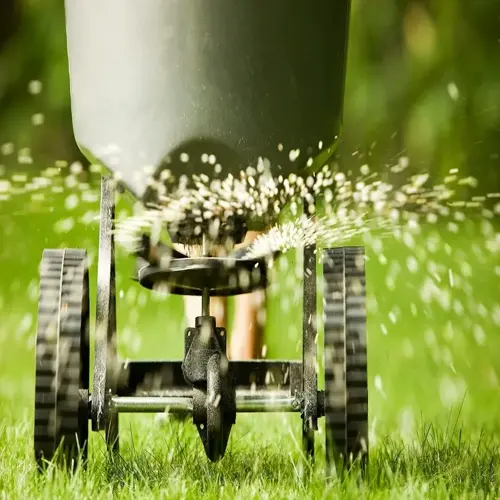
The peat moss top dressing method does shine for one job in your yard. Spread a thin layer over your lawn after overseeding and it works great. Use about 0.25 inches (0.6 cm) of peat and rake it gently into the grass. This thin coat keeps your grass seeds moist, protects them from birds, and helps them sprout faster. I saw 40% better germination on sections I top dressed with peat compared to bare-seeded patches right next to them.
The science behind why surface peat fails in your beds is simple. Dry peat turns hydrophobic and repels water instead of absorbing it. When you leave peat on top of your soil, the sun and wind dry it out within hours on a warm day. Once dry, water sheets off the surface and runs to the edges of your bed. Your plant roots never get the moisture the peat was supposed to hold. Wind also picks up dry peat and blows it right off your beds.
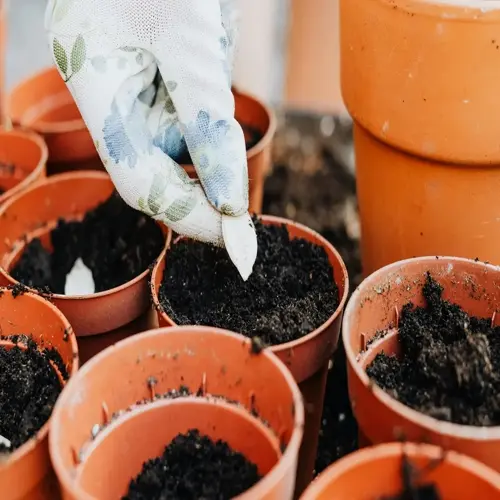
The right peat moss application method depends on what you are growing. For garden beds, use a garden fork to work peat into the top 6-8 inches (15-20 cm) of your soil. This puts the peat right in the root zone where your plants can use it. For containers, mix your peat into the potting blend before you fill pots. Never sprinkle peat on top of a planted container because it will form a dry crust that blocks water from reaching your roots below.
One rule applies no matter which method you choose for your garden. Always pre-moisten your peat before you use it. Dump dry peat into a bucket or wheelbarrow and add warm water. Squeeze it with your hands until it feels like a wrung-out sponge. This step takes five minutes and saves you from fighting with dry, water-repelling peat later. I skipped this step once and spent thirty minutes trying to get water to soak into my bed. Never again.
For your lawn, grab a bag of peat and a steel rake. Spread the seed first, then scatter a thin layer of pre-moistened peat over the top. Rake it gently so it settles between the grass blades. Keep the area damp for 10-14 days until you see green sprouts. This peat moss top dressing method is the one time where surface application beats mixing. Your grass seeds stay warm, moist, and hidden from birds that would eat them off bare soil.
If you are working on garden beds, spend the extra ten minutes to mix peat in. Your plants will grow stronger roots and you will water less often through the season. The surface-only approach wastes your money on peat that dries out and blows away. Mixing it in locks those benefits into your soil where they do the most good for your plants all season long.
Read the full article: Peat Moss: Benefits, Uses, and Alternatives