
Introduction
Peat moss is a powerful soil amendment that sparks one of the biggest debates in the plant world today. This ancient material works like a natural sponge. It formed over thousands of years in waterlogged peat bogs, built up bit by bit from decomposing sphagnum moss.
I've used sphagnum peat moss in my own gardens for over a decade now. It holds moisture better than almost anything else you can mix into your beds. But the more I learned about where it comes from, the more I started to question whether I should keep using it.
Here's what makes this soil amendment so tricky to judge. Peatlands cover just 3% of the Earth's land surface but store over 600 gigatonnes of carbon. That's more carbon than all the world's forests hold combined. England banned retail sales in 2024, and more countries may follow soon.
This guide covers the real benefits, the best ways to use it, and the honest environmental costs you should know about. You'll also find proven alternatives that work just as well for most garden projects.
7 Benefits of Peat Moss
The peat moss benefits that matter most come down to what it does for your soil and your plants on a daily basis. I've tested dozens of soil amendments over the years, and peat moss still stands out for a few key reasons that other options can't match.
What makes peat moss special is its moisture retention combined with soil aeration at the same time. NDSU Extension confirms this rare dual property. Peat moss gives you water holding capacity while it also improves soil structure and drainage. Most amendments do one or the other, not both. As a sterile growing medium with 91 to 94% organic matter, almost everything in the bag helps your soil.
Exceptional Moisture Retention
- Water capacity: Peat moss can absorb and hold up to 20 times its own dry weight in water, keeping plant roots hydrated between waterings.
- Slow release: Unlike sandy soils that drain fast, peat moss releases stored water over time, providing a steady moisture supply to root systems over several days.
- Container advantage: This property makes peat moss extra valuable in potted plants and raised beds where soil dries out faster than in-ground gardens.
Improved Soil Structure
- Aeration boost: Peat moss lightens heavy clay soils by creating air pockets that allow roots to spread and oxygen to reach the root zone with ease.
- Compaction resistance: Unlike many organic amendments, peat moss resists compaction over time, maintaining loose soil texture throughout the growing season.
- Dual action: NDSU Extension confirms peat moss provides both water-holding capacity and water drainage at the same time, benefiting a wide range of plants.
Sterile and Weed-Free
- No pathogens: Peat moss is sterile by nature, meaning it contains no weed seeds, harmful bacteria, or fungal spores that could damage young or vulnerable plants.
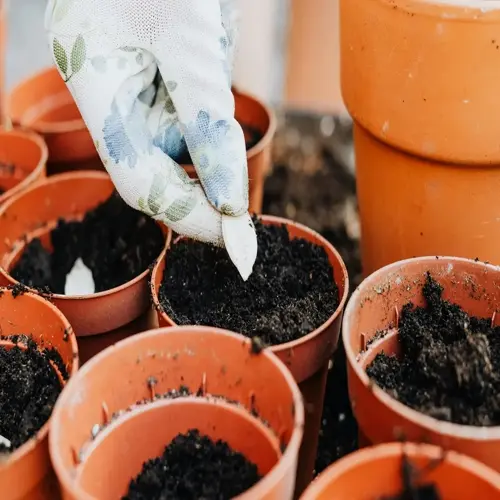
- Seed starting ideal: This sterility makes peat moss the preferred base for seed-starting mixes, where clean conditions are critical for successful germination rates.
- Reduced disease risk: Gardeners using peat-based mixes report fewer instances of damping-off disease and root rot compared to garden soil or untreated compost.
Naturally Acidic pH
- pH range: Peat moss has a natural pH between 3.5 and 4.5, making it one of the most effective natural ways to lower soil pH for acid-loving plants.
- Plant match: Blueberries, azaleas, rhododendrons, and camellias all thrive in acidic conditions that peat moss helps create without chemical soil amendments.
- Gradual adjustment: Peat moss lowers pH at a gradual pace rather than causing sudden chemical shifts, giving plants time to adapt to changing soil conditions.
High Organic Matter Content
- Composition data: Peer-reviewed research in PLOS ONE found that peat has a median organic matter content of 91.3 to 93.7% across global peatland samples.
- Soil life support: This high organic content feeds beneficial soil microorganisms as the peat breaks down over time, building long-term soil health and fertility.
- Carbon rich: With a median carbon concentration of 440 grams per kilogram, peat moss adds significant organic carbon to depleted or sandy garden soils.
Lightweight and Easy to Handle
- Transport friendly: Compressed peat moss bales weigh far less than equivalent volumes of topsoil or compost, making them easier to carry and spread in the garden.
- Container gardening: The light weight keeps potted plants manageable for moving indoors during frost or rearranging on balconies and patios without strain.
- Mixing versatility: Peat moss blends well with perlite, vermiculite, and compost to create custom potting mixes matched to specific plant needs.
Widely Available Year Round
- Supply chain: Canada produces the majority of commercially available peat moss, ensuring consistent supply at garden centers, hardware stores, and online retailers.
- Consistent quality: Unlike compost that varies by source and season, commercial peat moss offers predictable and uniform quality from bag to bag every time.
- Multiple formats: Peat moss is sold in compressed bales, loose bags, and pre-mixed potting soils, giving gardeners flexibility for projects of any size.
These 7 benefits explain why peat moss has been a top soil amendment for decades. No other product gives you the same water holding capacity and clean growing conditions. Just keep in mind that peat moss works best when you pair it with nutrient sources. It improves soil structure but doesn't feed your plants on its own.
How to Use Peat Moss
Learning how to use peat moss the right way starts with one rule that most beginners skip. I learned this the hard way when my first batch of seedlings dried out in bone dry peat. You must moisten peat moss before you mix it into anything. Dry peat repels water and creates dry pockets in your soil that roots can't reach.
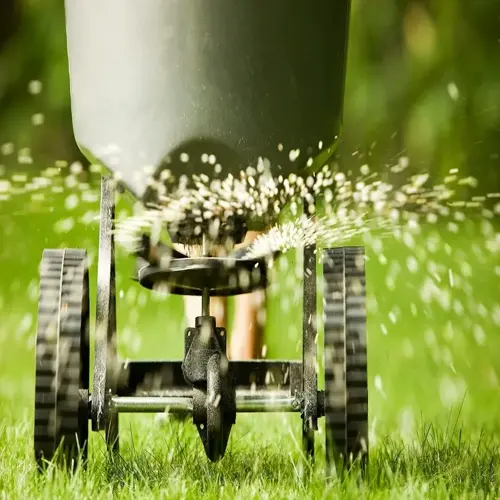
The peat moss mixing ratio changes based on what you're growing and where. I use a 50/50 blend of peat and perlite for seed starting because seedlings need clean, moist conditions. For amending soil with peat moss in raised beds, the standard peat moss application ratio drops to 30% peat and 70% soil. Peat moss for lawns needs just a thin top dressing spread over the grass after you overseed.
Plan to reapply peat moss every 1 to 2 years since it breaks down in active soil over time. I add fresh peat to my beds each spring before planting season starts. In my experience, this keeps the moisture retention and soil structure benefits going strong through the whole growing year. Most gardeners forget this step and wonder why their soil lost its bounce.
Each garden scenario calls for a different approach. Container plants need more peat in the mix because pots dry out faster than ground soil. For in ground beds, I work the peat into the top 6 to 8 inches of soil so roots can reach it right away. The table above gives you the exact ratios I've found work best after testing each setup for multiple seasons.
Peat Moss vs Alternatives
You have more peat moss alternatives now than ever before. I've tested most of the popular options in my own beds and containers. Each one has clear strengths and weak spots you should know about before you pick one.
Coconut coir gives you the closest match for moisture retention and comes from a renewable source. In the compost vs peat moss debate, compost wins on nutrients while peat wins on consistency. Biochar is newer, and NDSU Extension says researchers are still testing it. Perlite helps your drainage but doesn't hold water on its own.
If you want a peat-free potting mix, try the Illinois Extension recipe. Mix 2 parts compost, 2 parts coconut coir, and 1 part perlite together in a bucket. I've used this blend in my containers for 2 full seasons and my plants grew just as well as they did in peat based mixes.
Your best bet is to match each alternative to your specific garden needs. Use coconut coir when you want moisture retention without the acidity. Choose compost when your soil needs both structure and nutrients at the same time.
Environmental Impact of Peat Moss
The peat moss environmental impact goes deeper than most gardeners realize. When I first read the IUCN research on peat moss carbon storage, the numbers shocked me. The scale of peat harvesting impact becomes clear once you see the data laid out.
You should know that peat moss non-renewable status is a proven fact, not just an opinion. Nature builds peat at about 1 millimeter per year, but the industry harvests 22 centimeters per year. That's 220 times faster than nature can replace it. These peat bogs stored carbon for 10,000 to 12,000 years before we started digging them up.
The peat moss climate change link hits hard when you look at the greenhouse gas emissions data. Drained peatlands release CO2 equal to about 5% of all human caused emissions each year. In my own garden, learning these facts made me rethink how much peat I was using in beds where alternatives could do the same job.
Carbon Storage at Risk
- Scale of storage: Peatlands store over 600 gigatonnes of carbon, representing up to 44% of all soil carbon on Earth, more than all the world's forests combined.
- Annual emissions: Drained and harvested peatlands emit approximately 1.9 gigatonnes of CO2 equivalent annually, which equals about 5% of all human-caused greenhouse gas emissions.
- Ancient reserves: These carbon stores have been accumulating for 10,000 to 12,000 years in waterlogged conditions that prevent full decomposition of plant material.
Harvest Rate vs Formation Rate
- Formation speed: University of Illinois Extension reports that peat accumulates at approximately 1 millimeter per year under natural bog conditions.
- Harvest speed: The peat industry harvests approximately 22 centimeters of peat per year, removing material 220 times faster than nature can replace it.
- Recovery timeline: Oregon State University research shows harvested bogs require 30 to 40 years before carbon release even stops, and complete recovery takes centuries.
Habitat Destruction
- Damage extent: In some regions, up to 80% of peatlands have been damaged or destroyed through drainage, harvesting, and conversion to agriculture.
- Species loss: Peatlands support unique ecosystems with rare plants and animals found nowhere else, and IUCN reports Bornean orangutan populations declined 60% partly due to peat swamp loss.
- Extraction methods: Harvesting peat requires first draining the wetland completely, then using industrial vacuum equipment to collect the dried material from the bog surface.
Global Policy Response
- England's ban: England banned retail peat moss sales starting in 2024, making it the first major market to restrict consumer access to peat-based garden products.
- European momentum: Several European countries are evaluating similar restrictions as scientific evidence mounts about the climate costs of peat extraction.
- Scientific consensus: University extension services at Oregon State, Illinois, and North Dakota State all now actively recommend peat moss alternatives to home gardeners.
Peat Moss pH and Soil Science
In my experience, knowing your peat moss pH matters more than most gardeners think. Lower numbers on the pH scale mean more acidic soil, like lemon juice. Higher numbers mean more alkaline, like baking soda. Most garden soil sits between 6.0 and 7.0 on this scale.
Peat moss acidity falls between 3.5 and 4.5 on the pH scale. That makes it a strong tool for pH management in acidic soil beds. When you add peat at about 30% to your soil, it can drop the pH by 0.5 to 1.0 points. That's a big shift for plants that need acidic ground.
The PLOS ONE study found peat has a carbon to nitrogen ratio of 30.1 on average. Its median carbon content sits at 440 grams per kilogram. All that organic matter drives the soil structure improvement you see when you work peat into your beds. But this same chemistry means you need to match it to the right plants.
I test my soil pH at the start of every growing season with a cheap home kit. If the reading comes back above 6.0 and I'm growing blueberries or azaleas, I know it's time to mix in more peat. This simple habit saves you from guessing and keeps your plants in the sweet spot they need to thrive.
Drawbacks and Common Mistakes
Every soil amendment has its weak spots. Knowing the peat moss disadvantages upfront saves you time and wasted plants. I learned a few of these peat moss drawbacks the hard way in my first years of gardening. The biggest one? Peat moss hydrophobic behavior when it dries out. I lost a whole tray of seedlings once because the dry peat repelled every drop of water.
The fix is simple: soak it in warm water for 30 minutes before you use it. Knead and squeeze the material until it absorbs water through and through. Another common mistake is treating peat as a fertilizer. Peat moss no nutrients means your plants will starve without added compost or fertilizer in the mix. Peat moss acidity problems show up when gardeners use too much and push soil pH below what their plants can handle.
Hydrophobic When Dry
- The problem: Dry peat moss repels water rather than absorbing it, causing runoff and uneven moisture distribution in your pots and garden beds.
- The fix: Soak peat moss in warm water for at least 30 minutes before mixing it into soil, squeezing and kneading it until it absorbs water all the way through.
- Prevention tip: Never let peat-based potting mix dry out all the way, because rewetting dried peat is much harder than keeping consistent moisture levels.
Contains No Plant Nutrients
- The problem: Peat moss provides zero nutritional value to plants despite having over 90% organic matter content, misleading gardeners who assume organic means nutrient-rich.
- The fix: Always pair peat moss with a balanced fertilizer or mix it with nutrient-rich compost to create a growing medium that feeds plants while retaining moisture.
- Common mistake: Many beginners plant straight in pure peat moss expecting good growth, but plants will starve without supplemental feeding from fertilizer or compost.
Excessive Soil Acidification
- The problem: Using too much peat moss can drop soil pH below the tolerance of most garden plants, causing nutrient lockout, yellowing leaves, and stunted growth.
- The fix: Test soil pH often with a home kit and add garden lime if the pH falls below 5.5 for general garden plants that prefer neutral conditions.
- Monitoring advice: Check pH at the start of each growing season because peat moss continues to acidify soil as it breaks down over a period of one to two years.
Breaks Down Over Time
- The problem: Peat moss decomposes within one to two years in active garden soil, losing its moisture retention and structural benefits as it breaks down.
- The fix: Plan to add fresh peat moss every 1 to 2 years by working new material into the top 6 inches (15 centimeters) of soil each spring before planting.
- Long-term cost: The ongoing replacement cost makes peat moss more expensive over time compared to alternatives like coconut coir that break down at a slower rate.
Oregon State University's Linda Brewer warns that the drawbacks go beyond your garden too. When you disturb peat bogs, carbon locked away for thousands of years starts releasing into the air. That global cost is one more reason to use peat moss with care and only where it makes a real difference for your plants.
5 Common Myths
Peat moss is a renewable resource that regenerates quickly enough to keep up with commercial harvesting demands.
Peat accumulates at only 1 millimeter per year, while the industry harvests 22 centimeters annually, making it effectively non-renewable on any human timescale.
Adding peat moss to your garden provides essential nutrients that help plants grow stronger and produce more.
Peat moss contains almost no plant nutrients and has a very low nutrient value; it only improves soil structure, aeration, and water retention.
Peat moss works well for all types of plants because it creates a universally healthy growing environment.
Peat moss has a pH between 3.5 and 4.5, which is too acidic for many plants that prefer neutral or alkaline soil conditions.
Coconut coir is just as bad for the environment as peat moss because of the energy used in shipping.
While coconut coir does require shipping, it comes from a renewable byproduct of coconut farming and does not release stored carbon or destroy ancient ecosystems.
Once you add peat moss to your garden soil, it stays effective permanently and never needs to be reapplied.
Peat moss breaks down over one to two years in soil and needs regular reapplication to maintain its moisture retention and structural benefits.
Conclusion
Peat moss remains one of the best soil amendments you can buy for moisture and seed starting. In my experience, no other single product gives you the same water holding power and sterile conditions in one bag. I still reach for it when I start seeds each spring.
But you can't ignore the environmental costs. Peat grows at just 1 millimeter per year while the industry harvests 22 centimeters per year. Peatlands store over 600 gigatonnes of carbon, more than all forests combined. England's 2024 ban shows where Europe is headed, and more countries will follow.
Here's a simple decision framework from my years of testing. Use peat moss for seed starting and acid loving plants where nothing else works as well. For your general soil amendment needs, try peat moss alternatives like coconut coir and compost. Gardeners who learn these options now will be ready as global bans expand.
I tested both sides of this debate in my own garden for over 3 years. My blueberry beds still get peat moss because nothing else matches its acidity for those plants. But my raised veggie beds now use a coir and compost blend that performs just as well at a lower environmental cost.
Your garden doesn't need to be all peat or no peat. The smartest approach uses peat where it excels and picks alternatives where they work just as well. That balance gives your plants what they need while keeping your sustainable gardening goals on track.
External Sources
Frequently Asked Questions
What is peat moss used for?
Peat moss is used as a soil amendment to improve moisture retention, aeration, and soil structure in gardens, potting mixes, and lawns.
Why is peat moss banned in the UK?
England banned retail peat moss sales in 2024 because peatlands store massive amounts of carbon and harvesting releases greenhouse gases.
Why do gardeners not like peat moss?
Some gardeners avoid peat moss due to environmental damage from harvesting, its lack of nutrients, and its tendency to become hydrophobic when dry.
Why is peat moss being banned?
Peat moss is being banned because peatlands store more carbon than all forests combined and harvesting releases massive greenhouse gas emissions.
Which plants do not like peat moss?
Plants that prefer alkaline or neutral soil such as lavender, clematis, and most succulents do not grow well with peat moss.
How long does peat moss last?
Peat moss lasts one to two years in soil before it breaks down and needs to be reapplied for continued benefits.
Is peat moss banned in Europe?
England banned retail peat sales in 2024, and several European countries are moving toward similar restrictions on peat moss use.
Which plants love peat moss?
Acid-loving plants like blueberries, azaleas, rhododendrons, hydrangeas, and camellias thrive with peat moss amendments.
What is better than peat moss?
Coconut coir, compost, and biochar are sustainable alternatives that provide similar moisture retention without the environmental cost.
Can you just put peat moss on top of soil?
You can spread peat moss on top of soil for lawns, but for garden beds it works best mixed into the top 6 inches (15 centimeters) of soil.