
Three materials are better than peat moss for most jobs in your garden. Coconut coir holds moisture without making your soil acidic. Compost feeds your plants while it builds soil structure. Biochar lasts for years and makes your ground better over time. The right pick depends on what you need most right now.
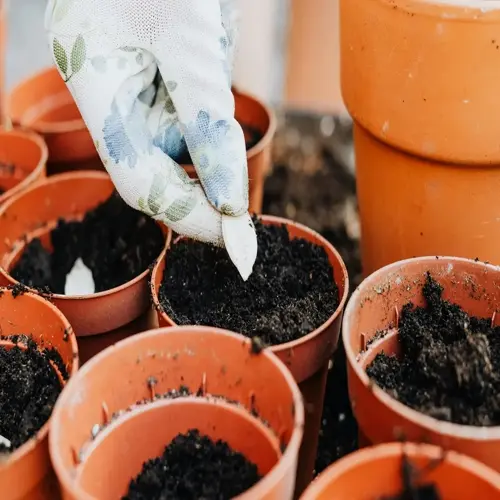
When I first switched from peat to coconut coir for seed starting, I was nervous about the results. I ran both side by side in matching trays of tomato and pepper seeds. The coir trays matched the peat trays in germination rate within 2-3 days of each other. By transplant time, the coir seedlings had roots that were just as strong. The one thing I noticed was that coir stayed moist more evenly across the tray. Peat had dry spots that coir did not.
A solid peat moss alternatives comparison starts with knowing what each option does best for you. Coir has a near-neutral pH of 5.8-6.8 so it works for almost any plant you grow. Peat sits at 3.5-4.5 and limits you to acid-loving species unless you add lime. Compost brings nutrients that peat and coir both lack. Biochar acts like a permanent sponge that holds water and nutrients for years in your soil.
These sustainable soil amendments give you real benefits that peat cannot match. Compost feeds your soil life and your plants at the same time. Coir rewets after drying out, which peat refuses to do once it goes dry. Biochar improves your soil for decades instead of breaking down in a year. NDSU Extension research shows that biochar can hold up to 5 times its weight in water while giving nutrients a surface to cling to for your plant roots.
The Illinois Extension created a proven peat-free recipe you can use right away. Mix 2 parts compost, 2 parts coconut coir, and 1 part perlite for a blend that handles most garden jobs. Use this in your raised beds, containers, or as a top dressing. For acid-loving plants like blueberries, swap the compost for pine bark fines to keep your pH low without needing peat at all.
Start with coir if you want the easiest switch from peat in your garden. It looks similar, feels similar, and handles the same way in your hands. Buy a compressed brick, soak it in water, and use it anywhere you would have used peat before. Most growers I know made the switch in one season and never looked back. Your plants will not care about the swap.
Each of these sustainable soil amendments beats peat in at least one key area. Coir wins for seed starting because it stays moist from edge to edge across your trays. Compost wins for garden beds since it feeds your soil as it breaks down. Biochar wins the long game because it lasts for 100 years or more in your ground. Pine bark wins for acid-loving plants like blueberries that need low pH without peat. You do not need one magic product to replace peat. You need the right one for each job in your garden.
Read the full article: Peat Moss: Benefits, Uses, and Alternatives