
Introduction
You grab a bag of potting soil from the store and assume it's full of dirt from the ground. The truth is that most commercial potting soil contains zero actual soil at all. What you find inside is a mix of peat moss, bark, and minerals crafted to keep container plants alive and thriving.
I've grown plants on my balcony for over 8 years now and made every mistake along the way. I once filled all my pots with backyard dirt and watched every plant struggle within weeks. That failure taught me why your growing medium for container gardening matters so much.
Container roots need three things from their soilless mix: moisture, oxygen, and physical support. Penn State research shows the ideal potting media pH sits between 5.5 and 6.5 with soluble salts between 1.5 and 3 mmhos per cm. Garden soil fails on all these points because it compacts in pots and chokes out the air roots need to breathe.
This guide breaks down every ingredient, type, and recipe you need to pick or make the right potting soil for your plants. You'll learn what goes into each bag, which mix fits your plants best, and how to spot quality before you spend a dime.
Key Potting Soil Ingredients
Every bag of potting soil is a recipe built from potting soil ingredients that each do a different job for your roots. Some hold water while others create air pockets. Penn State sets clear benchmarks for what goes into a good mix. You want nitrate nitrogen at 75 to 150 mg per L and phosphorus at 5 to 20 mg per L. Potassium should land between 150 and 300 mg per L.
I split these into two groups: organic and inorganic. Peat moss, pine bark, and composted bark fall on the organic side. Perlite and vermiculite sit on the inorganic side. A 2024 PLoS One study found that pine needles mixed with farmyard manure at 50 to 50 grew plants to 24.3 cm tall. The worst mix hit just 6.46 cm. Your ingredient choices make a huge difference.
The list below covers the 6 most common ingredients in commercial mixes. Each one plays a specific role for your plants. Knowing what they do helps you pick better products and build smarter DIY blends with coconut coir and worm castings.
Peat Moss
- Role: Holds moisture like a sponge while keeping the mix lightweight, making it the most widely used base in commercial potting soil blends.
- Properties: Naturally acidic with a pH around 3.5 to 4.5, requiring limestone amendments to reach the ideal 5.5 to 6.5 range for most plants.
- Considerations: Available as light-colored blond peat for seed starting or darker decomposed peat for general use in container gardens.
Perlite
- Role: Creates air pockets throughout the potting mix that allow oxygen to reach roots and prevent soil compaction in containers.
- Properties: Volcanic glass heated to 1,800 degrees Fahrenheit (982 degrees Celsius) until it pops like popcorn into lightweight white granules.
- Considerations: Does not hold nutrients or moisture on its own and works best when combined with water-retaining ingredients like peat or coir.
Vermiculite
- Role: Absorbs and slowly releases both water and nutrients to plant roots, making it ideal for seed starting and moisture-loving plants.
- Properties: A mineral that expands when heated and can hold three to four times its weight in water, significantly more than perlite.
- Considerations: Compresses over time which reduces aeration, so it works better in mixes that are refreshed annually rather than long-term plantings.
Coconut Coir
- Role: Serves as a sustainable alternative to peat moss with similar moisture retention and a more neutral pH between 5.8 and 6.8.
- Properties: Made from the fibrous husk of coconuts and is a renewable byproduct of the coconut industry unlike finite peat reserves.
- Considerations: May contain high sodium levels from saltwater processing so look for pre-rinsed or buffered coir products for best results.
Pine Bark
- Role: Provides excellent drainage and slow-release organic matter as it decomposes gradually over the growing season in containers.
- Properties: Naturally acidic and lightweight with a coarse texture that prevents compaction and keeps roots well aerated in deep pots.
- Considerations: Available in fine, medium, and coarse grades where finer bark suits smaller containers and coarser bark works for orchids and large planters.
Compost and Worm Castings
- Role: Supplies slow-release nutrients and beneficial microorganisms that help plants absorb minerals and resist root diseases naturally.
- Properties: Penn State research notes that high-salt compost can inhibit germination and should pass a bioassay showing at least 80% germination success.
- Considerations: Should make up no more than 20% to 30% of a potting mix because excessive compost retains too much moisture and reduces aeration.
7 Types of Potting Soil
Not all potting soil works the same way. Different plants need different things from their mix. A wild orchid grows on tree bark and needs fast drainage. A tomato plant craves rich organic matter instead. UMD Extension says commercial soilless mixes sit at a pH of about 6.2, but some plants need more or less acid than that.
I once used all-purpose potting soil for my cacti and orchids. It went wrong every time. My succulents rotted and my orchid roots turned to mush within a month. That taught me each type of potting soil exists for a good reason. Below are 7 types that cover every common setup you'll run into. You'll find options like vegetable potting mix, seed starting mix, and organic potting soil. There's also moisture control potting soil for hot summer containers.
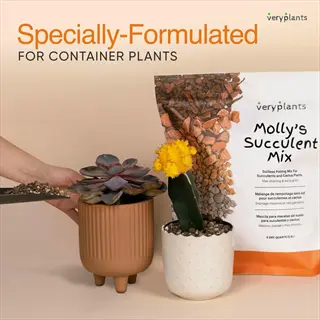
All-Purpose Potting Soil
- Best For: General houseplants, annuals, and container flowers that need balanced drainage and moisture retention throughout the growing season.
- Key Ingredients: A standard blend of peat moss or coconut coir, perlite, and composted bark in near equal proportions for versatile performance.
- pH Range: Typically falls between 6.0 and 6.5 which suits the widest variety of common indoor and outdoor container plants.
- Drainage: Moderate drainage rate that works for most plants but may need extra perlite for species that prefer drier conditions between waterings.
- Nutrient Content: Usually includes a starter fertilizer charge that depletes after two to three waterings and requires supplemental feeding after that.
- Practical Tip: Check the bag weight before buying because heavier all-purpose mixes may contain cheap sand filler instead of quality lightweight ingredients.
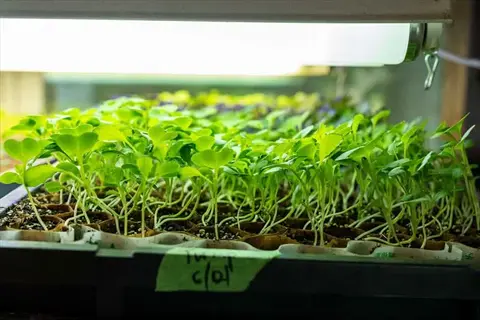
Seed Starting Mix
- Best For: Germinating seeds and rooting delicate cuttings that need fine texture and consistent moisture without heavy nutrients.
- Key Ingredients: Extra-fine peat moss or coir combined with fine vermiculite and minimal perlite to create a smooth uniform texture for tiny roots.
- pH Range: Adjusted to 5.5 to 6.0 range which supports most vegetable and flower seedlings during their earliest and most vulnerable growth stage.
- Drainage: Retains more moisture than all-purpose mixes because seedlings have short roots that dry out fast under grow lights or in warm rooms.
- Nutrient Content: Contains little to no added fertilizer since concentrated nutrients can burn delicate seedling roots and inhibit germination rates.
- Practical Tip: Penn State research found that mixes with alfalfa meal plus compost produced much larger transplants due to higher ammonium nitrogen availability.
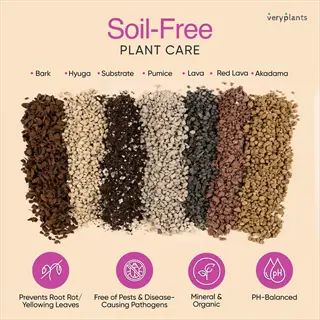
Orchid Potting Mix
- Best For: Epiphytic orchids like Phalaenopsis and Dendrobium that grow on tree branches in nature and need exceptional air circulation around roots.
- Key Ingredients: Coarse bark chips, charcoal, and large-grade perlite with little to no peat moss since orchid roots rot in moisture-retaining materials.
- pH Range: A bit acidic between 5.5 and 6.5 because bark lowers pH as it breaks down over one to two years in the pot.
- Drainage: Extremely fast drainage that mimics the quick-drying conditions orchids experience in tropical tree canopies where rain runs off bark fast.
- Nutrient Content: Very low inherent nutrients because bark breaks down at a slow pace and orchids are light feeders that prefer diluted liquid fertilizer on a set schedule.
- Practical Tip: Replace orchid potting soil every one to two years because decomposing bark compacts and holds too much moisture for healthy orchid roots.
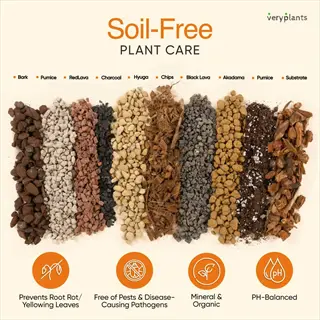
Cactus and Succulent Mix
- Best For: Desert plants, succulents, and cacti that store water in their leaves or stems and are very prone to root rot in wet conditions.
- Key Ingredients: Coarse sand, perlite, and small amounts of peat or coir blended to create a gritty fast-draining texture that dries out fast.
- pH Range: A bit alkaline between 6.0 and 7.0 which matches the native growing conditions of most desert and arid-climate succulent species.
- Drainage: The fastest draining of all potting soil types, designed so water passes through within seconds and roots never sit in standing moisture.
- Nutrient Content: Minimal nutrients because cacti and succulents are adapted to poor soils and can suffer from fertilizer burn if overfed.
- Practical Tip: You can make your own cactus mix by combining one part all-purpose potting soil with one part coarse sand and one part perlite for excellent results.
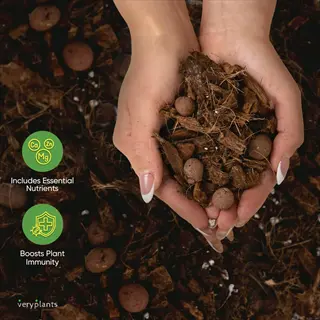
Organic Potting Soil
- Best For: Gardeners growing edible crops or anyone seeking chemical-free growing media certified for organic production by recognized organizations.
- Key Ingredients: Compost, worm castings, composted bark, and natural amendments like bone meal and kelp instead of synthetic slow-release fertilizer granules.
- pH Range: Usually between 6.0 and 7.0 depending on the compost source and whether limestone has been added to buffer acidity from organic acids.
- Drainage: Moderate drainage similar to all-purpose mixes but may compact more over time as organic materials decompose faster than inorganic alternatives.
- Nutrient Content: Penn State notes that NOP composting requires temperatures of 131 to 170°F for at least three days to ensure safety.
- Practical Tip: Look for the OMRI seal which confirms the product meets organic standards rather than relying on vague organic claims on packaging.
Moisture Control Potting Soil
- Best For: Busy gardeners, outdoor containers in hot climates, and hanging baskets that dry out fast and need extended time between waterings.
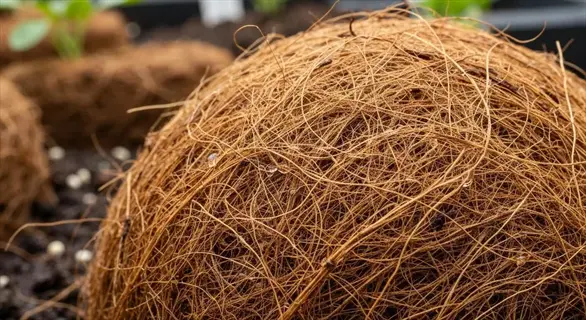
- Key Ingredients: Standard potting mix base with added moisture-retaining polymers or extra coconut coir that absorb and release water to roots over time.
- pH Range: Similar to all-purpose mixes at 6.0 to 6.5 since the moisture-retaining additives do not change the acid-alkaline balance.
- Drainage: Slower drainage by design, holding up to 33% more water than standard mixes which reduces watering frequency in summer heat.
- Nutrient Content: Often includes slow-release fertilizer pellets that feed plants for up to three months depending on watering frequency and temperature.
- Practical Tip: The moisture-retaining treatments lose effectiveness as the season progresses, so plan to water more frequently by late summer and into fall.
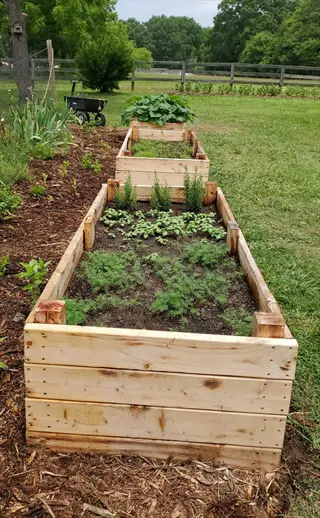
Raised Bed Mix
- Best For: Large raised garden beds and deep planters where pure potting mix would be too expensive and lightweight for the volume needed.
- Key Ingredients: A heavier blend of composted bark, garden compost, and topsoil mixed with perlite or coarse sand for drainage in open-bottom beds.
- pH Range: Ranges between 6.0 and 7.0 depending on the topsoil and compost sources, suitable for most vegetables and perennial plants.
- Drainage: Moderate drainage that benefits from the open bottom of raised beds allowing excess water to escape into the ground beneath on its own.
- Nutrient Content: Higher initial nutrient levels than standard potting mix due to the compost and topsoil content supporting heavy-feeding vegetable crops.
- Practical Tip: UMD Extension recommends that garden soil should not exceed 10% of container volume but raised beds with open bottoms can handle more.
Vegetables grow best in the 5.5 to 7.0 pH range per UMD Extension. Most all-purpose and organic mixes fall right in that sweet spot for edible gardens. Match your potting soil type to how your plants handle water and you'll see better results all season.
DIY Potting Soil Recipes
You can make your own potting soil at home for a fraction of what bags cost at the store. Most commercial mixes sell for $5 to $21 per cubic foot, but a good homemade potting soil costs far less when you buy ingredients in bulk. In my experience mixing my own blends for 4 years, I haven't gone back to store brands since. I tested each recipe below in my own containers before adding it here.
The best part about a DIY potting mix is total control over what goes into your containers. A 2024 PLoS One study tested several soilless mix recipes. The winner used pine needles at 50% plus composted farmyard manure at 50% and grew plants to 24.3 cm tall. The worst performer hit just 6.46 cm. That research proves you can build an effective potting soil from simple organic waste without spending much money. The PLoS One team confirmed that cheap organic waste can replace pricey store mixes.
The table below gives you 5 proven potting soil ratios you can mix at home today. Each soilless mix recipe targets a different type of plant. Note the seed starting blend uses 30 ml of limestone per 10 L pail to balance the pH of the peat.
Start with the general soilless mix recipe if you're new to DIY blends. It covers most houseplants well. Once you get a feel for how the ingredients work together, move on to the more targeted potting soil ratios for specific plants.
How to Pick the Right Mix
Picking the best potting soil comes down to answering three simple questions about your plants and your setup. You need to know what you're growing, where you're growing it, and how much time you want to spend watering. Once you nail those answers, how to choose potting soil becomes much easier.
I used to grab whatever bag was cheapest and paid for it with dead plants. Real world testing shows the cost per cubic foot ranges from $5.24 to $21.33 across popular brands. The priciest option does not always grow the best plants. What to look for in potting soil is the ingredient list on the back, not the price tag on the front. Penn State standards say quality mixes should have a pH between 5.5 and 6.5 and sodium levels below 160 mg per L.
Use the guide below to match your plant type to the right potting soil quality and features. This table saves you from buying the wrong mix and wasting money on products your plants don't need.
The biggest mistake I see new gardeners make is buying one bag and using it for everything. Succulents rot in moisture control mixes and seedlings drown in heavy organic blends. Match the mix to the plant and your success rate will jump right away.
Peat Moss and Sustainability
Peat moss works great in potting mixes. But the peat moss environmental impact is hard to ignore once you see the real numbers. Peatlands cover just 5% of Earth's surface yet store more carbon than all the world's forests combined. Oregon State soil scientist Linda Brewer confirmed those stats, and they changed how I think about my mixes.
That stored carbon built up over 10,000 to 12,000 years in those bogs. When companies harvest peat, those bogs need 30 to 40 years just to stop releasing carbon. Full bog healing takes hundreds of years after that. England banned peat moss sales in 2024 because the cost to the planet was too high.
Good peat moss alternatives exist right now. Coconut coir offers similar moisture retention with a more neutral pH. Coconut coir sustainability looks strong because coir is a byproduct that would go to waste. Wood fiber, bark, and rice hulls also work well in a peat-free potting mix.
I switched half my mixes to coir blends 2 years ago. In my experience, my herbs, tomatoes, and houseplants grew just as well without peat. You don't have to go 100% peat-free right away. Even choosing one or two sustainable potting soil products makes a real difference over time.
Check the ingredient list on any bag before you buy it. If peat is the first ingredient and you want a greener option, swap it for a mix with coconut coir or wood fiber as the base. Peat-free options are easier to find now and the quality keeps getting better.
Storage and Reuse Tips
Most gardeners wonder does potting soil go bad after sitting in the garage for months. The short answer is yes, but it takes longer than you think. Unopened bags stay usable for 1 to 2 years when you store them in dry conditions away from direct sunlight. Opened bags have a potting soil shelf life of about 6 months before the ingredients start breaking down and losing structure.
Knowing how to store potting soil saves you money and keeps your mixes fresh for longer. Seal opened bags tight with clips or transfer the mix into a clean bin with a lid. Keep it off concrete floors since moisture wicks up through the bag and encourages mold growth. I store all my extra mix in plastic storage totes stacked on wooden pallets in my shed, and it stays fresh for months that way.
Reusing potting soil from last season is smart as long as you do it right. UMD Extension recommends mixing old media 50 to 50 with fresh material to restore nutrients and structure. The one exception is if you had root diseases in the previous plants. Throw that soil out because pathogens survive in old mix and will attack your new plants. You can rejuvenate potting soil by adding fresh perlite and a handful of compost to bring back the aeration and nutrients your plants need.
The guide below covers 4 common problems with stored or aging potting soil. Each fix comes from real university research you can trust.
White Crust on Soil Surface
- Cause: Mineral salt buildup from fertilizer or hard tap water that accumulates as water evaporates from the surface of the potting mix.
- Solution: Flush the container with plain water until it runs freely from drainage holes, repeating two to three times to dissolve and remove excess salts.
- Prevention: Penn State recommends keeping sodium below 160 mg per L and using filtered or rainwater when possible to reduce mineral accumulation over time.
Compacted and Hard Soil
- Cause: Peat moss and organic materials break down over time, losing their structure and reducing the air pockets that roots need for healthy growth.
- Solution: Mix the old potting soil 50-50 with fresh material as recommended by UMD Extension, adding extra perlite to restore drainage and aeration.
- Prevention: Refresh container soil each year and avoid pressing or packing soil hard around plants, which accelerates compaction in the growing season.
Fungal Growth on Surface
- Cause: Saprophytic fungi thrive on moist organic matter and appear as white or yellow patches, most often in warm humid conditions with limited airflow.
- Solution: Scrape off visible fungal growth and allow the soil surface to dry between waterings since these organisms are harmless to plants.
- Prevention: Improve air circulation around containers and avoid overwatering, which creates the persistently moist conditions that encourage fungal colonization.
Water Runs Through Too Fast
- Cause: Dried-out peat moss becomes hydrophobic and repels water instead of absorbing it, causing water to channel along pot walls and bypass roots.
- Solution: Submerge the entire container in a basin of water for 15 to 30 minutes to allow the peat fibers to slowly rehydrate from the outside inward.
- Prevention: Never let peat-based mixes dry out all the way and consider switching to coconut coir-based mixes which rehydrate with less effort after drying.
5 Common Myths
Heavier potting soil bags contain better quality material with more nutrients for your plants to grow stronger.
Heavier bags often contain cheap sand filler or excess moisture, not better ingredients. Lightweight mixes with perlite and bark provide superior root aeration.
You should add gravel or rocks to the bottom of containers before adding potting soil to improve drainage.
Gravel creates a perched water table that actually traps moisture near roots. Fill the entire container with potting mix and use pots with drainage holes instead.
All potting soil contains enough fertilizer to feed your plants throughout the entire growing season without supplements.
Starter fertilizer charges deplete after just two to three waterings and slow-release blends last about one month. Regular supplemental feeding is necessary for healthy growth.
White or yellow fungal growth on the surface of your potting soil means the mix has gone bad and should be thrown away.
Surface fungi are saprophytic organisms that break down organic matter and are harmless to plants. They indicate a healthy decomposition process in moist organic material.
Garden soil from your yard works perfectly fine in containers as long as you add some compost and mix it well.
Garden soil is too dense for containers, restricts air and water movement, and introduces soil-borne diseases. It should never exceed 10 percent of container volume in large pots.
Conclusion
Good potting soil does three jobs for your container gardening plants. It feeds roots with nutrients, air, and water. It gives roots room to grow. And it holds the plant upright. No single growing medium does all three without the right potting mix ingredients working together.
In my experience, the biggest lesson here is that potting soil is an engineered product. It's not just dirt in a bag. Perlite creates air pockets and peat moss holds moisture between waterings. When you know what each part does, you stop guessing and start making smart choices at the store.
You also have the power to make your own homemade potting soil that works just as well as store brands. A 2024 peer-reviewed study proved that simple organic blends can match commercial mixes. Peat-free options using coconut coir and bark protect ancient carbon stores while still feeding your plants what they need.
Start with one mix that fits your most common plants. Then try new blends from there. The knowledge you now have about your growing medium puts you ahead of most gardeners out there. Your container plants will show the results all season long.
External Sources
Frequently Asked Questions
What is the potting soil?
Potting soil is a manufactured growing medium designed for container plants, typically made from peat moss, perlite, bark, and other materials rather than actual garden soil.
What is the difference between a potting mix and potting soil?
Potting mix is completely soilless and made from peat, bark, and perlite, while potting soil may contain a small percentage of actual garden soil blended with organic amendments.
Is potting soil better than compost?
Potting soil is better for containers because it provides proper drainage and aeration, while compost alone retains too much moisture and can suffocate roots in pots.
What can I use instead of potting mix?
You can use a homemade blend of coconut coir, perlite, and compost, or try a 50-50 mix of pine needles and composted farmyard manure as a proven alternative.
Is potting mix just soil?
Potting mix is not soil at all. It is a soilless blend of organic and inorganic materials like peat moss, bark, perlite, and vermiculite designed specifically for containers.
What are the disadvantages of potting mix?
Potting mix dries out faster than garden soil, needs regular fertilizing since nutrients deplete quickly, and peat-based mixes contribute to environmental concerns.
What are the 4 main types of soil?
The four main types are sandy soil, clay soil, silt soil, and loam soil, each with different drainage, nutrient retention, and texture characteristics.
Do I really need potting soil?
Yes, container plants need potting soil because garden soil is too dense for pots, restricts airflow to roots, and retains excessive water that causes root rot.
What plants should you not compost?
Avoid composting diseased plants, plants treated with persistent herbicides, and invasive weeds with seeds that survive the composting process.
Is potting soil just dirt?
Potting soil is not dirt. It is an engineered growing medium with carefully balanced ingredients for aeration, moisture retention, and nutrient delivery in containers.