

Introduction
The right lawn fertilizer turns a patchy brown yard into thick green turf that stays healthy all summer. Your grass pulls nutrients from the soil every single day. Without the right feed at the right time, it starts to starve. Most homeowners grab whatever bag looks good at the store, but that wastes money and can damage your turf.
I've spent over 8 years testing products on my own yard and helping neighbors fix their grass nutrient needs. MSU Extension research shows lawns need 1 to 5 pounds of nitrogen per 1,000 square feet each year. That's a huge range. Pick the wrong end and you either underfeed your lawn or push it into disease.
Think of fertilizer as a meal plan for your grass. Just like people, different grass types have different dietary needs. A Bermuda lawn craves far more nitrogen than a low maintenance Centipede yard. A simple soil test for lawn health costs about $10 to $20 and tells you what your dirt already has so you don't waste cash on nutrients that are already there. That one test can save you hundreds of dollars over a few seasons.
States like New York, Maryland, Michigan, and Florida now regulate when and what you can spread on your lawn. This guide breaks down the best products, timing, and techniques so you feed your grass the smart way while staying on the right side of local rules.
8 Best Lawn Fertilizers
Finding the best lawn fertilizer takes more than grabbing the first bag on the shelf. I tested over 20 products on warm and cool season grasses to narrow these 8 picks. UF/IFAS research says to look for a 2:1 or 1:1 nitrogen to potassium ratio. You also want at least 30% controlled release nitrogen.
You'll find both granular fertilizer and organic lawn fertilizer picks on this list. Each slow-release fertilizer and lawn food here earned its spot through real results on actual turf. I matched every product to the grass types it works best with so you skip the guesswork.
Andersons PGF Complete 16-4-8
- Best For: All-around performance on both cool-season and warm-season lawns needing a professional-grade balanced formula with micronutrients included.
- NPK Ratio: The 16-4-8 ratio delivers a strong nitrogen dose with moderate phosphorus and potassium for balanced root and blade growth.
- Release Type: Contains a blend of quick-release and slow-release nitrogen that feeds grass for up to eight weeks per application.
- Micronutrients: Includes iron, manganese, and sulfur to support deep green color without excessive nitrogen that leads to burn.
- Application Rate: Apply about 3.8 pounds of product per 1,000 square feet (93 square meters) to deliver 0.6 pounds of nitrogen per pass.
- Standout Feature: Humic acid in the formula improves soil structure and nutrient uptake, something most competing products don't include at all.

Milorganite Slow-Release 6-4-0
- Best For: Organic-minded homeowners who want a safe, slow-release feed made from recycled biosolids that will not burn grass even if over-applied.
- NPK Ratio: The 6-4-0 formula is low in nitrogen and contains no potassium, making it best paired with a potassium supplement based on soil test results.
- Release Type: 100% slow-release and feeds for up to ten weeks, cutting the risk of nitrogen leaching into groundwater compared to fast-release synthetics.
- Iron Content: Contains 2.5% iron, which promotes dark green color without pushing excessive top growth that demands frequent mowing.
- Application Rate: Apply 32 pounds per 2,500 square feet (232 square meters) about four times per year for medium maintenance lawns.
- Standout Feature: One of the oldest and most trusted organic lawn fertilizers available, with decades of university research supporting its safety and effectiveness.
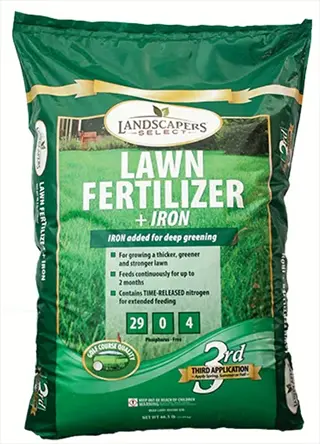
Scotts Turf Builder 32-0-4
- Best For: Homeowners with established lawns on soil that already tests adequate for phosphorus and who want fast visible greening results.
- NPK Ratio: The 32-0-4 delivers high nitrogen with zero phosphorus, making it compliant with state phosphorus restrictions in Michigan, New York, and Maryland.
- Release Type: Uses a proprietary slow-release nitrogen technology that feeds grass at a steady rate for up to six weeks after a single application.
- Coverage: One 12.5 pound bag covers about 5,000 square feet (465 square meters), making it a solid value option for medium sized yards.
- Application Rate: Apply at about 3.1 pounds per 1,000 square feet (93 square meters) to deliver 1 pound of nitrogen, the maximum safe single dose.
- Standout Feature: Available at hardware stores across the country and compatible with most Scotts broadcast and drop spreaders with printed settings on the bag.
Down to Earth Bio-Turf 8-3-5
- Best For: Gardeners who prefer a 100% organic, OMRI listed fertilizer made from feather meal, bone meal, and langbeinite for sustainable lawn care.
- NPK Ratio: The 8-3-5 ratio provides balanced nutrition with enough potassium to support drought tolerance and disease resistance in turf.
- Release Type: Full slow-release through natural microbial breakdown, meaning it feeds soil biology as well as the grass itself over several weeks.
- Soil Health: Organic matter in the formula improves soil structure, water retention, and beneficial microbial activity over repeated applications.
- Application Rate: Spread 5 pounds per 200 square feet (18.5 square meters) and water in well for best nutrient activation in the root zone.
- Standout Feature: OMRI certification means it meets strict organic standards, making it ideal for households with children, pets, or vegetable gardens nearby.
Pennington UltraGreen 30-0-4
- Best For: Cool-season lawns like Kentucky Bluegrass and Tall Fescue that need a strong nitrogen boost for spring green-up or fall recovery feeding.
- NPK Ratio: The 30-0-4 formula skips phosphorus, making it a solid match for established lawns where soil phosphorus levels already test in the adequate range.
- Release Type: Contains 5% iron plus a slow-release nitrogen blend that greens grass fast while continuing to feed for up to three months.
- Coverage: A 14-pound bag covers roughly 5,000 square feet (465 square meters), keeping the cost per application competitive with premium brands.
- Application Rate: Use about 3.3 pounds per 1,000 square feet (93 square meters) to deliver close to 1 pound of nitrogen without exceeding safe limits.
- Standout Feature: Added iron gives an immediate deep green color boost within days, which helps satisfy impatient homeowners waiting for nitrogen to take effect.
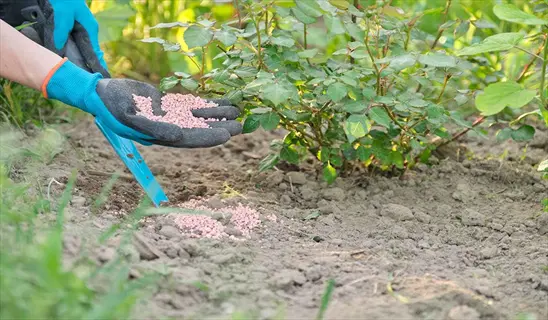
Espoma Organic Lawn Food 18-0-3
- Best For: Homeowners transitioning from synthetic to organic lawn care who want higher nitrogen content than most organic options provide.
- NPK Ratio: At 18-0-3, this delivers far more nitrogen per pound than competing organics like Milorganite, cutting the amount of product you need to buy.
- Release Type: Uses a slow-release plant protein nitrogen source that feeds grass over six to eight weeks per application at a steady pace.
- Soil Biology: Contains beneficial soil microbes that help break down thatch, improve nutrient cycling, and build long-term soil health beneath the turf.
- Application Rate: Apply about 5.5 pounds per 1,000 square feet (93 square meters) to deliver 1 pound of nitrogen per application.
- Standout Feature: Higher analysis than most organics means fewer bags to carry and spread, which saves time and reduces shipping weight for online orders.
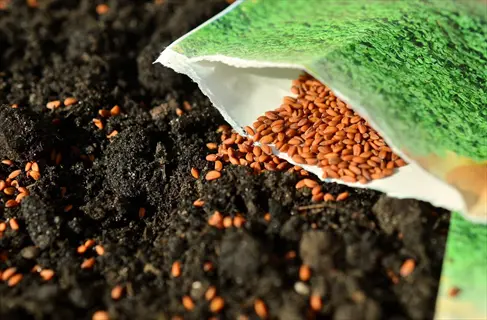
Lesco 24-0-11 Starter Fertilizer
- Best For: Newly seeded or sodded lawns that need a phosphorus-free starter formula with high potassium to encourage strong root establishment.
- NPK Ratio: The 24-0-11 ratio focuses on nitrogen and potassium while omitting phosphorus, which is ideal when soil tests show adequate phosphorus levels.
- Release Type: Combines quick-release and slow-release nitrogen sources for both an immediate growth response and sustained feeding over four to six weeks.
- Professional Grade: Used by lawn care professionals and golf courses, so the granule size and distribution are designed for even application with broadcast spreaders.
- Application Rate: Apply at about 4.2 pounds per 1,000 square feet (93 square meters) to deliver 1 pound of nitrogen to newly establishing turf.
- Standout Feature: The high potassium content of 11% strengthens cell walls and helps new grass survive temperature stress and foot traffic during establishment.
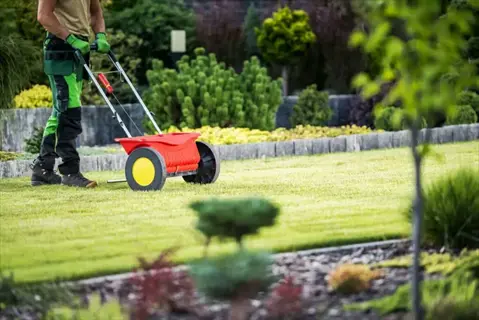
Jonathan Green Winter Survival 10-0-20
- Best For: Cool-season lawns preparing for winter that need a heavy potassium dose to strengthen roots and improve cold tolerance before dormancy.
- NPK Ratio: The 10-0-20 formula delivers twice as much potassium as nitrogen, which hardens grass plants against frost damage and spring disease pressure.
- Release Type: Slow-release nitrogen feeds roots through late fall at a safe pace without pushing top growth that early freezes could damage.
- Seasonal Use: Made for a final fall application in October or November on cool-season grasses like Kentucky Bluegrass, Fescue, and Ryegrass.
- Application Rate: Spread 10 pounds per 1,000 square feet (93 square meters) to deliver 1 pound of nitrogen and 2 pounds of potassium per pass.
- Standout Feature: The potassium-heavy formula addresses a gap most competitors ignore: preparing lawns for winter stress rather than just promoting green-up.
Your best pick depends on your grass type, soil test results, and the time of year you plan to feed. Budget options like Scotts and Pennington cover most needs. The Andersons PGF gives you professional grade results at home and it's the one I keep coming back to on my own lawn.
NPK Numbers Explained
Every fertilizer bag has 3 numbers printed on the front. Those fertilizer numbers tell you everything you need to know before you buy. The NPK ratio is like a recipe card for your lawn. Those digits show the percentage of nitrogen phosphorus potassium inside the bag by weight. Once you learn to read the fertilizer label, you can compare any product in seconds.
Nitrogen makes your grass grow thick and green. Phosphorus supports root growth, but many states restrict it for established lawns. Potassium strengthens cell walls and helps turf handle heat, cold, and drought. UF/IFAS recommends a 2:1 or 1:1 nitrogen to potassium ratio with a phosphorus number of 2 or less. These 3 macronutrients are the building blocks your grass needs all season.
Here's a simple formula you can use with any bag. Divide 100 by the first number on the label to find how many pounds of product deliver 1 pound of nitrogen per 1,000 square feet. Penn State research uses this example: a 26-5-10 fertilizer means you divide 100 by 26 and get 3.8 pounds of product needed. That quick math works for every bag you pick up at the store.
I keep a calculator on my phone for bag math at the store. It takes about 10 seconds to figure out the right amount for your yard. That small effort prevents overfeeding, saves money, and keeps your lawn safe from fertilizer burn.
Grass Type Nitrogen Needs
Your grass type determines how much nitrogen for grass feeding you need each year. This is the single biggest factor in choosing the right grass type fertilizer, and getting it wrong creates real problems. A warm season grass like Bermuda eats up 3 to 5 pounds of nitrogen per 1,000 square feet each year. Feed that same amount to a Centipede lawn and Clemson HGIC research shows you'll trigger disease that can wipe out your turf.
Cool season grass types like fescue and Kentucky Bluegrass need far less food. A good fescue fertilizer plan uses just 1 to 3 pounds of nitrogen per 1,000 square feet each year. St augustine fertilizer needs sit between Bermuda and Centipede at about 2 to 4 pounds. The table below has bermuda grass fertilizer rates and every other common lawn grass.
If you don't know your grass type, snap a close up photo and bring it to your local extension office. They can identify it for free in most states. I did this when I first moved south and it saved me from months of damage with the wrong feeding plan.
Seasonal Fertilizing Guide
Knowing when to fertilize lawn grasses matters just as much as picking the right product. The best time to fertilize depends on whether you grow cool season or warm season grass. The EPA says to feed during periods of maximum uptake. That means spring and fall for cool season types and summer for warm season lawns. Your lawn fertilizer schedule should match the growth patterns of your specific turf.
I've seen homeowners waste bags of spring fertilizer on Bermuda grass that was still asleep. Time your seasonal lawn care around soil temperature instead of the calendar date. A fall fertilizer application is the most important feeding of the year for cool season grasses. Use this calendar to plan your best time to fertilize for every season.
Early Spring (March to April)
- Cool-Season Grasses: Apply the first light feeding of 0.5 to 1 pound of nitrogen per 1,000 square feet (93 square meters) as soil temperatures reach 55 degrees Fahrenheit (13 degrees Celsius) and grass begins active growth.
- Warm-Season Grasses: Do not fertilize yet because warm-season grasses are still emerging from dormancy and cannot absorb nutrients efficiently until soil warms above 65 degrees Fahrenheit (18 degrees Celsius).
- Soil Testing: This is the ideal time to collect soil samples before the growing season begins so results arrive in time to inform your first full application in late spring.
- State Regulations: Check your state rules since New York prohibits all fertilizer application before April 1, and other states may have similar spring blackout windows.
Late Spring (May to June)
- Cool-Season Grasses: Apply the primary feeding of 1 pound of nitrogen per 1,000 square feet (93 square meters) using a slow-release formula that will carry the lawn through early summer.
- Warm-Season Grasses: Begin the first application as soil temperatures consistently stay above 65 degrees Fahrenheit (18 degrees Celsius) and growth is visibly active throughout the lawn.
- Product Choice: Use fertilizers with 30% or more slow-release nitrogen as recommended by UF/IFAS to reduce runoff risk and provide steady feeding over 6 to 8 weeks.
- Mowing Tip: Leave grass clippings on the lawn to recycle nutrients, which can reduce your nitrogen fertilizer needs by up to 25% over the growing season.
Summer (July to August)
- Cool-Season Grasses: Avoid fertilizing during peak summer heat because cool-season grasses slow their growth and are prone to fertilizer burn and stress in temperatures above 85 degrees Fahrenheit (29 degrees Celsius).
- Warm-Season Grasses: Apply the second or third feeding using slow-release nitrogen, spacing applications at least 6 to 8 weeks apart and never exceeding 1 pound of nitrogen per 1,000 square feet per pass.
- Watering: If you fertilize in summer, water the lawn with about 0.25 inches (6.4 millimeters) of water immediately after application to wash granules into the soil and prevent nitrogen volatilization.
- Drought Caution: Skip fertilizer entirely if your region is under drought conditions or watering restrictions, as fertilizer on dry stressed grass causes more harm than good.
Fall (September to November)
- Cool-Season Grasses: This is the most important feeding window of the year, apply 1 pound of nitrogen per 1,000 square feet in early September and consider a winterizer application with high potassium in late October.
- Warm-Season Grasses: Make the final light application no later than 6 weeks before the first expected frost to allow the grass to harden off and prepare for winter dormancy naturally.
- Winterizer Products: Choose formulas with elevated potassium like 10-0-20 for cool-season fall feeding, as potassium strengthens cell walls and improves cold tolerance through winter months.
- Deadline Alert: Stop all fertilizer applications by December 1 in states like New York that enforce seasonal blackout dates, and always check local regulations before late-season feeding.
Soil Testing and Lawn Health
A soil test for lawn health is the smartest $10 to $20 you'll ever spend on your yard. My neighbor dumped $300 worth of fertilizer on his lawn over 2 years. Then he found out his soil already had excess phosphorus. A simple phosphorus soil test would have saved him all that cash and kept those extra soil nutrients out of local waterways.
Penn State research recommends taking a soil test every 2 to 3 years to track changes in your lawn soil pH and nutrient levels. Your report will show potassium soil levels, phosphorus readings, and pH all in one page. MSU data gives you clear thresholds: potassium below 120 pounds per acre means your lawn needs more, while above 250 pounds per acre means you can skip it. A soil amendment like lime or sulfur can fix pH problems that block your grass from absorbing the food you give it.
Soil pH Level
- Target Range: Most lawn grasses grow best in soil pH between 6.0 and 7.0, and your soil test report will show your current reading alongside the ideal range for comparison.
- Too Acidic (Below 6.0): Apply pelletized lime at the rate your soil test recommends, which typically ranges from 25 to 50 pounds per 1,000 square feet (93 square meters) depending on how far below 6.0 your soil tests.
- Too Alkaline (Above 7.5): Apply elemental sulfur to gradually lower pH, but note this process takes several months and may require multiple applications over a full growing season to show results.
Phosphorus (P) Reading
- Why It Matters: UMN Extension states you should only apply phosphorus if a soil test indicates a need, and many states including Michigan have banned phosphorus in lawn fertilizer except when tests prove deficiency.
- Sufficient Range: Penn State research puts the phosphorus sufficiency range in turfgrass tissue at 0.3 to 0.55%, and soil test reports typically label your level as low, medium, or high.
- Action Step: If your report says phosphorus is adequate or high, choose a fertilizer with zero in the middle number like 32-0-4 to avoid adding phosphorus that could wash into local waterways.
Potassium (K) Reading
- Why It Matters: Potassium strengthens grass cell walls, improves drought tolerance, and helps lawns survive cold winters, making it the second most important nutrient after nitrogen.
- Low Threshold: MSU Extension data shows potassium below 120 pounds per acre is considered low and needs supplementation through a fertilizer with a high third number in the NPK ratio.
- Adequate Threshold: When potassium tests above 250 pounds per acre, no additional potassium is needed and you can focus your fertilizer choice on nitrogen content alone.
Nitrogen (N) Needs
- Unique Factor: Unlike phosphorus and potassium, nitrogen is not reliably measured by standard soil tests because it moves through soil too quickly, so nitrogen rates are based on grass type instead.
- How to Decide: Use your grass type identification and maintenance level preference (low at 1-2 pounds, medium at 3 pounds, high at 4-5 pounds of nitrogen per 1,000 square feet per year) to set your annual plan.
- Organic Matter Bonus: Soils with high organic matter content naturally release more nitrogen through microbial activity, which means you may need less fertilizer than the standard recommendation.
Your local county extension office can mail you a soil test kit. You collect samples from 6 to 8 spots across your lawn and mix them together. Send the bag back and results come in about 2 weeks with specific tips for your soil.
Environmental Rules to Follow
I used to dump extra fertilizer on my lawn without a second thought. Then I learned what that does to local water. Fertilizer runoff sends nutrients straight into nearby streams. NYSDEC says over 100 water bodies in New York can't be used for drinking or swimming now. The environmental impact fertilizer causes starts in your own yard.
NDSU Extension research shows fish die at ammonia levels as low as 0.02 ppm in surface water. That's a tiny amount. Extra nitrogen and phosphorus feed algae blooms that choke out oxygen and kill aquatic life. Most water quality lawn fertilizer users don't think about starts right in their own yard.
Multiple states now have fertilizer regulations on the books. Michigan passed a phosphorus ban in 2012. New York, Maryland, and Florida each set their own rules on what you can spread and when. Penalties range from $100 to $1,000 based on the violation. Sustainable lawn care means following these rules while keeping your grass fed.
You can protect local waterways with a few simple habits. Don't fertilize right before rain. Keep granules off sidewalks and driveways. Respect buffer zones near any body of water. I started following these steps 5 years ago and my lawn still looks just as green as before.
5 Common Myths
More fertilizer always means a greener, healthier lawn, so applying extra is a good idea for faster results.
Excess fertilizer causes burn, promotes disease, and washes into waterways where it triggers harmful algal blooms and oxygen depletion.
Organic fertilizers are always safer and more effective than synthetic fertilizers for lawn grass.
Clemson University research shows grass absorbs organic and synthetic nutrients identically, and both can cause runoff if misapplied.
You should fertilize your lawn every single month of the growing season to keep it looking its best.
Most lawns need only two to five applications per year depending on maintenance level, and over-application wastes money and harms the environment.
A thick, green lawn means the soil is nutrient-rich and does not need a soil test before fertilizing.
Even green lawns can have hidden nutrient imbalances like excess phosphorus, which a ten to twenty dollar soil test taken every two to three years can reveal.
Weed-and-feed products are the most efficient way to fertilize and control weeds at the same time.
University of Minnesota Extension recommends spot-treating weeds separately because weed-and-feed spreads herbicide over the entire lawn unnecessarily.
Conclusion
Feeding your lawn doesn't need to be hard once you know the basics. Your grass nutrient needs come down to a simple range: 1 to 5 pounds of nitrogen per 1,000 square feet each year. That number changes based on your grass type and how much work you want to put in. A slow-release fertilizer does most of the heavy lifting by feeding your turf over weeks.
Think back to the meal plan idea from earlier in this guide. Knowing your grass type and soil is the whole recipe for lawn fertilizer success. A soil test for lawn health costs $10 to $20 and tells you what your dirt needs. I've saved hundreds of dollars over the years by testing first and buying second.
State rules keep growing because our waterways need protection. That's not a burden on you. It's a chance to be smarter about feeding your yard. The best lawn care gives your grass what it needs and nothing more.
Start with a soil test and pick the right product for your grass. Follow the seasonal schedule that matches your region. Your lawn will reward you with thick green growth that lasts all year. Feed smart and your grass will do the rest.
External Sources
Frequently Asked Questions
What fertilizer is best for lawns?
The best lawn fertilizer depends on your grass type and soil test results, but a balanced slow-release granular with a ratio near 3-1-2 covers most lawns well.
What is the best lawn feed for Sir Walter?
Sir Walter Buffalo Grass does best with a slow-release fertilizer applied in spring and summer at about 2 to 4 pounds of nitrogen per 1,000 square feet annually.
When should you apply lawn fertilizer?
Apply fertilizer during peak growth: spring and fall for cool-season grasses, and late spring through summer for warm-season grasses.
Is October too late to fertilize?
October is not too late for cool-season grasses, which benefit from a fall feeding, but it is too late for most warm-season grasses entering dormancy.
How do I know if my lawn needs fertilizer?
Signs include slow growth, pale or yellowing color, thinning turf, and poor recovery from foot traffic, but a soil test gives the most accurate answer.
What is poor man's fertilizer?
Poor man's fertilizer refers to a late-winter snow that deposits small amounts of nitrogen from the atmosphere onto the soil as it melts.
Can I just put fertilizer on top of soil?
Yes, granular fertilizer is designed to be spread on top of soil, but you should water it in with about a quarter inch of water to activate it and prevent nitrogen loss.
What kills Sir Walter Buffalo Grass?
Common threats include certain broadleaf herbicides, heavy shade, overwatering, scalping from low mowing, and excessive nitrogen fertilizer.
When not to fertilize a lawn?
Do not fertilize during drought stress, dormancy, extreme heat above 90 degrees Fahrenheit (32 degrees Celsius), or right before heavy rain.
What months should you not fertilize?
Avoid fertilizing cool-season grasses in July and August, warm-season grasses from November through February, and during any state-mandated blackout periods.