
Introduction
The 10 best ground cover plants for any yard can save you time and money while your landscape looks better than plain grass. These low growing species spread across soil to block weeds and stop erosion. You get to skip the constant mowing that eats up your weekends every single summer.
I spent over 8 years testing different varieties in my own yard and in client gardens across 3 climate zones. What I found surprised me. The right plants act like a living carpet that shields soil from rain and heat. LSU AgCenter research backs this up. Spreading types keep soil temperatures lower and hold moisture better than bare dirt.
Most guides skip the bigger picture. These plants do far more than fill empty space in your yard. Flowering types attract bees and butterflies to your garden. Dense roots manage stormwater runoff and give you real erosion control during heavy rain. A low maintenance ground cover saves you hours every month and still looks great. More homeowners now pick these plants over traditional lawns. The results speak for themselves after just one full season of growth in any type of soil or climate.
This guide walks you through the best picks and how to match them to your yard's light and soil conditions. You will learn simple ways to keep them thriving with minimal effort all year long. I also share which invasive species to avoid and which native options support local wildlife in your area. From shady spots under trees to dry sunny slopes, you will find the right option for weed suppression right here.
10 Best Ground Cover Plants
These 10 best ground cover plants earned their spots through real testing in my gardens and client yards across the country. Every pick stays under 24 inches tall and spreads through rhizomes, stolons, or offsets to fill your bare spots fast. I chose a mix of flowering and evergreen ground cover types so you can find your best option for every season.
Each plant below shows you its USDA hardiness zones and native status. You won't find creeping thyme and sedum on every list, but few guides tell you which one fits your exact yard better. Hardy geraniums and creeping phlox also made the cut because I saw them thrive in spots where other plants gave up. I flagged which species need extra care so they don't spread where you don't want them.
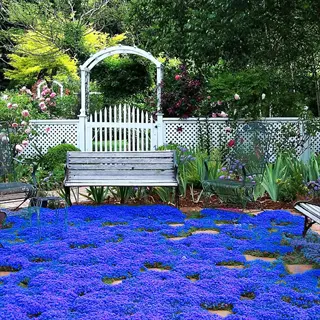
Creeping Thyme
- Sun Needs: Thrives in full sun with at least 6 hours of direct sunlight daily and tolerates poor, rocky, or sandy soils with excellent drainage.
- Growth Habit: Spreads via stems that root at the nodes to form a dense, fragrant mat reaching only 2 to 4 inches (5 to 10 centimeters) tall.
- Best Use: Ideal between stepping stones, along pathways, and in rock gardens where light foot traffic releases its pleasant herbal scent.
- Flowers: Produces tiny purple, pink, or white blooms from late spring through summer that attract bees and butterflies to the garden.
- Maintenance: Requires almost no mowing, fertilizing, or watering once established, making it one of the lowest care ground covers available.
- Native Status: Not native to North America but is non-invasive and well-behaved in most garden settings without aggressive spreading tendencies.
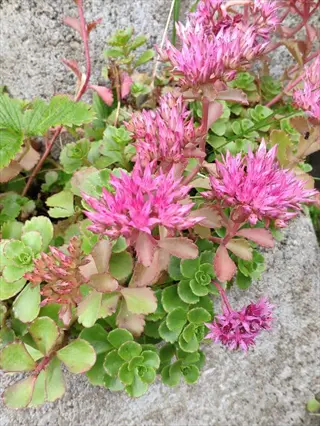
Sedum (Stonecrop)
- Sun Needs: Prefers full sun to partial shade and thrives in dry, well-drained soils where most other plants struggle to survive.
- Growth Habit: Low-growing succulent varieties spread to form thick mats of fleshy leaves reaching 2 to 6 inches (5 to 15 centimeters) in height.
- Best Use: Perfect for slopes, rock gardens, green roofs, and hot dry areas near foundations or driveways where water is scarce.
- Flowers: Many varieties produce star-shaped blooms in yellow, pink, white, or red during summer and fall that attract pollinators.
- Maintenance: Extremely drought tolerant once roots establish, needs no supplemental watering in most climates and handles poor soil with ease.
- Native Status: Several sedum species are native to North America, including Sedum ternatum which grows well in partial shade conditions.
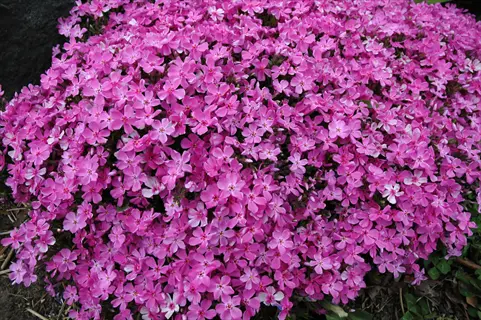
Creeping Phlox
- Sun Needs: Grows best in full sun to light shade and adapts to a wide range of well-drained soil types across many growing regions.
- Growth Habit: Forms a dense, spreading mat of evergreen foliage reaching 4 to 6 inches (10 to 15 centimeters) tall with trailing stems.
- Best Use: Outstanding on slopes, retaining walls, and rock gardens where its cascading spring blooms create a dramatic carpet of color.
- Flowers: Produces a thick display of pink, purple, blue, or white flowers in early to mid-spring that covers all the foliage.
- Maintenance: Needs minimal care after establishment, just light trimming after flowering to encourage dense growth and maintain tidy appearance.
- Native Status: Native to eastern and central North America, making it an excellent choice for gardeners seeking wildlife-friendly native ground cover.
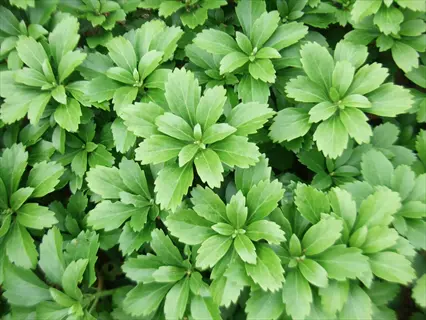
Pachysandra (Japanese Spurge)
- Sun Needs: Excels in partial to full shade, making it one of the most reliable ground covers for dark areas under trees and buildings.
- Growth Habit: Spreads steadily through rhizomes to form a uniform carpet of glossy evergreen leaves about 6 to 12 inches (15 to 30 centimeters) tall.
- Best Use: Ideal for shaded areas under mature trees, north-facing slopes, and foundation plantings where grass refuses to grow at all.
- Flowers: Produces small, fragrant white flower spikes in early spring, though the foliage is the main ornamental attraction year-round.
- Maintenance: Requires very little attention once established, with occasional watering during drought and removal of any brown or damaged leaves.
- Native Status: The Japanese variety (Pachysandra terminalis) is non-native, but the native Allegheny Spurge (Pachysandra procumbens) offers a local alternative.
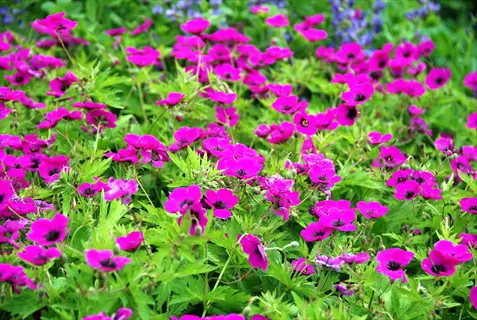
Hardy Geranium (Cranesbill)
- Sun Needs: Adapts to full sun or partial shade and grows in average to rich, well-drained soil across a wide range of climates.
- Growth Habit: Forms a mounding clump of lobed foliage that spreads 12 to 24 inches (30 to 61 centimeters) wide per plant.
- Best Use: Excellent for filling gaps between shrubs, edging borders, and covering ground in mixed perennial beds with varied light conditions.
- Flowers: Blooms hard from late spring through fall with cup-shaped flowers in shades of pink, purple, blue, and white for months on end.
- Maintenance: One of the easiest perennials to grow, needing just some deadheading and division every 3 to 4 years to stay vigorous.
- Native Status: Some species like Geranium maculatum are native to North America and provide excellent habitat value for native bees and pollinators.
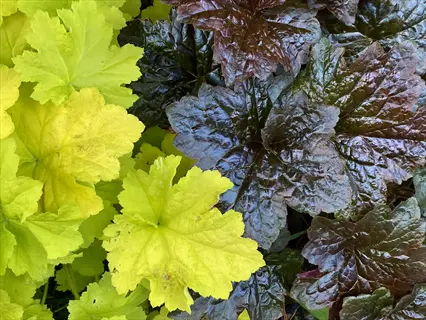
Coral Bells (Heuchera)
- Sun Needs: Grows in partial shade to full shade and tolerates morning sun in most regions, preferring steady moisture in well-drained soil.
- Growth Habit: Forms neat rosettes of colorful foliage that reach 8 to 18 inches (20 to 46 centimeters) tall with a 12-inch spread per plant.
- Best Use: Outstanding for shaded borders, woodland edges, and container plantings where its bold foliage colors provide contrast and visual interest.
- Flowers: Sends up delicate wands of tiny bell-shaped flowers in spring and summer that hummingbirds visit often for nectar.
- Maintenance: Low care once established, requiring just removal of old flower stalks and division every 3 to 4 years for the best look.
- Native Status: Native to North America, recommended by Penn State Extension as an effective native ground cover that supports wildlife habitat.
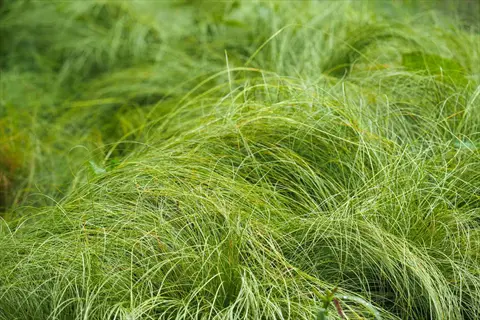
Pennsylvania Sedge
- Sun Needs: Thrives in partial to full shade and tolerates dry shade conditions better than most grass-like ground covers on the market.
- Growth Habit: Forms graceful tufts of fine foliage that spread by rhizomes at a slow pace to create a lawn-like carpet 6 to 8 inches (15 to 20 centimeters) tall.
- Best Use: Perfect as a no-mow lawn substitute under trees, on woodland edges, and in naturalized areas where traditional grass fails.
- Flowers: Produces subtle flower spikes in spring that blend into the foliage without requiring deadheading or removal.
- Maintenance: Needs mowing once or twice per year if desired, tolerates deer browsing, and requires no fertilizer or extra watering once established.
- Native Status: Native to eastern North America and recommended by Penn State Extension for slopes and shaded landscapes where deep roots reduce water needs.
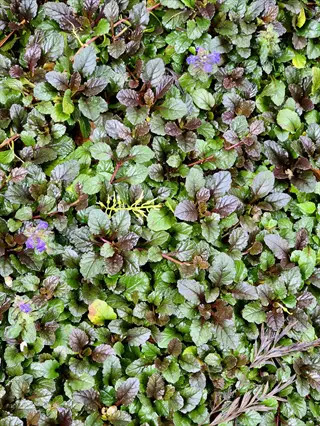
Ajuga (Bugleweed)
- Sun Needs: Grows well in partial shade to full shade but also tolerates full sun in cooler climates when soil stays moist.
- Growth Habit: Spreads fast by stolons to form a thick mat of colorful foliage reaching 4 to 6 inches (10 to 15 centimeters) tall.
- Best Use: Works well under trees, along shaded borders, and on gentle slopes where its dense growth chokes out weeds over time.
- Flowers: Produces striking spikes of blue, purple, or pink flowers in mid-spring that create a vivid display and attract early pollinators.
- Maintenance: Low care but may need edging or barriers to prevent spreading into lawn areas or neighboring garden beds where it is unwanted.
- Native Status: Not native to North America and classified as an aggressive spreader in some regions by university extension services, so check local extension guidance and plant with containment measures like edging barriers in place.
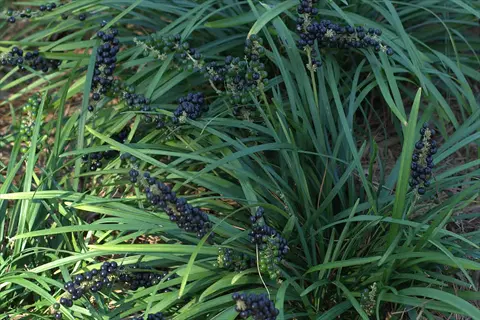
Liriope (Monkey Grass)
- Sun Needs: Adapts to full sun, partial shade, or full shade, making it one of the most versatile ground covers for any light condition.
- Growth Habit: Forms dense clumps of grass-like foliage 10 to 18 inches (25 to 46 centimeters) tall that spread at a steady pace to fill an area.
- Best Use: Excellent for edging walkways, bordering garden beds, covering ground under trees, and filling areas between shrubs in foundation plantings.
- Flowers: Produces spikes of purple or white flowers in late summer followed by dark berries that persist into winter for added seasonal interest.
- Maintenance: LSU AgCenter research shows liriope demonstrates limited water removal from soil, making it suitable for sites without irrigation systems.
- Native Status: Not native to North America but is not considered invasive in most regions and has been a reliable landscape staple for decades.
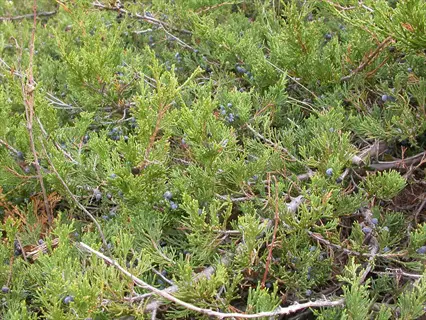
Common Juniper (Prostrate)
- Sun Needs: Requires full sun with at least 6 hours of direct sunlight and tolerates poor, dry, and rocky soils across cold and temperate regions.
- Growth Habit: Low-spreading evergreen conifer that hugs the ground at 6 to 12 inches (15 to 30 centimeters) tall while spreading 6 to 8 feet (1.8 to 2.4 meters) wide.
- Best Use: Ideal for covering large sunny slopes, controlling erosion on banks, and providing year-round green structure in low-water landscape designs.
- Flowers: Does not produce showy flowers but bears small blue-green berry-like cones that provide food for birds and wildlife through winter months.
- Maintenance: Extremely low maintenance once established, requires no pruning, minimal watering, and tolerates cold winters and hot summers with equal ease.
- Native Status: Native to North America and recommended by Penn State Extension as an effective evergreen conifer ground cover for challenging landscape areas.
You can mix several of these plants in the same yard to get color and texture through every season. I pair sun lovers like creeping phlox with shade picks like pachysandra in my own garden. That combo lets you cover your whole property without gaps, and it gives your yard a look that turns heads all year long.
Ground Cover by Sun and Shade
Your yard's light and soil tell you which plants will thrive and which ones will fail before they even get started. Full sun means 6 or more hours of direct summer sunlight per the University of Maryland Extension. I've watched people waste money planting shade lovers in sunny beds. Get this part right first and you save a lot of cash.
The table below matches each ground cover for sun and ground cover for shade to the right soil type and drought tolerance level. If you have a dry slope in full sun, you want a drought tolerant ground cover like sedum or juniper. Got a damp partial shade ground cover spot under your big oak? Coral bells or pachysandra will do the job. Use this grid as your quick reference before you head to the garden center.
I learned the hard way that ground cover for slopes needs deep roots above all else. Plants like creeping phlox and juniper grip the soil so rain doesn't wash your topsoil away. Match your plants to your site and you will save yourself a lot of replanting down the road.
Planting and Soil Preparation
Good soil preparation makes the difference between a ground cover that fills in fast and one that struggles for years. I skipped this step on my first project and spent 2 extra seasons waiting for plants to spread. Don't make that same mistake in your yard.
Start your soil preparation by clearing all weeds from the area. Wait 2 to 3 weeks before you plant so leftover weed seeds can sprout and you can pull them out. Then till the soil to a planting depth of 6 to 8 inches (15 to 20 centimeters). Mix in 3 to 5 cubic yards of compost per 1,000 square feet based on Colorado State Extension data.
When you learn how to plant ground cover the right way, ground cover spacing matters a lot. Use a staggered diamond pattern rather than straight rows for faster fill. Illinois Extension suggests you add 1 to 2 pounds of 5 to 10 to 5 fertilizer per 100 square feet at planting time. Then finish by mulching ground cover beds with 2 to 4 inches of organic mulch. This holds moisture and keeps weeds down while your plants fill in.
Plant in early spring or early fall for the best results. Spring gives your plants a full growing season to root in. Fall works well too because cooler weather and natural rain reduce stress on new transplants. Avoid planting in the heat of summer when young roots dry out fast.
Native and Invasive Species
This section might save your local ecosystem. I've pulled out invasive ground cover from my own property and it took me 3 full seasons to get it under control. The University of Maryland Extension flags 8 species that stores still sell. These plants wreck native habitats even though they look great on the shelf.
Native ground cover plants grow deep roots that cut your water needs and feed local wildlife. Penn State Extension calls native species the best eco-friendly ground cover for your yard's long term health. I paired each invasive species with a non-invasive ground cover swap below. Any of them works as a native lawn alternative.
English Ivy (Hedera helix)
- Risk Level: Climbs and smothers native plants, damages trees, and creates dense patches that wipe out plant variety in forests.
- Native Alternative: Virginia Creeper provides a similar climbing habit with stunning fall color and supports over 30 bird species.
- Identification: Look for glossy, dark green leaves with 3 to 5 pointed lobes on woody stems that attach to surfaces with aerial rootlets.
Vinca Minor and Major (Periwinkle)
- Risk Level: Both Vinca minor and Vinca major escape gardens to invade forests and stream banks, forming dense mats that block native wildflowers.
- Native Alternative: Wild Ginger offers similar glossy coverage for shade and supports native swallowtail butterfly populations in eastern regions.
- Identification: Look for glossy oval leaves and blue-violet pinwheel flowers in spring, with Vinca major having larger leaves and a more upright habit.
Bugleweed (Ajuga reptans)
- Risk Level: Spreads fast by stolons and can escape garden borders to take over natural areas, though its harm varies by region and climate.
- Native Alternative: Green and Gold provides similar low coverage with bright yellow flowers and stays well contained in garden settings.
- Identification: Forms dense mats of colorful foliage with spikes of blue or purple flowers in spring, reaching 4 to 6 inches (10 to 15 centimeters) tall.
Creeping Jenny (Lysimachia)
- Risk Level: Spreads through stolons in moist areas and escapes garden borders to colonize wetlands and stream banks near your property.
- Native Alternative: Golden Groundsel provides bright yellow flowers and spreads in moist shade without invasive tendencies at all.
- Identification: Features small, round, bright green or golden leaves on creeping stems with cup-shaped yellow flowers in early summer.
Bishop's Goutweed (Aegopodium)
- Risk Level: Sends out underground rhizomes that you can't stop once it takes hold, and it will take over garden beds and wild areas fast.
- Native Alternative: Foamflower provides attractive foliage and white spring blooms in shade without any invasive spreading at all.
- Identification: Features compound leaves with toothed leaflets, often with white edges, and flat clusters of small white flowers in early summer.
Yellow Archangel (Lamiastrum)
- Risk Level: Invades woodlands and shaded natural areas with its fast stolons, pushing out native wildflowers and forming colonies that last for years.
- Native Alternative: Golden Ragwort offers similar yellow flowers and semi-evergreen foliage for shady areas without aggressive spread.
- Identification: Has silver marked leaves that look like nettles with whorls of yellow hooded flowers on upright stems reaching 12 to 18 inches (30 to 46 centimeters) tall.
Chameleon Plant (Houttuynia)
- Risk Level: Runs through moist soil with underground stems and can take over an entire garden area within one growing season.
- Native Alternative: Spotted Geranium thrives in similar moist shade conditions while providing pink spring blooms and feeding native bee populations.
- Identification: Has heart-shaped leaves splashed with green, yellow, pink, and red, producing small white flowers and a strong citrus scent when crushed.
Wintercreeper (Euonymus fortunei)
- Risk Level: This evergreen vine climbs trees and smothers native plants beneath the canopy, and many eastern states list it as invasive.
- Native Alternative: Bearberry provides evergreen coverage with red berries and grows well in sun to partial shade without harming your landscape.
- Identification: Has small, glossy, dark green leaves on woody stems that root along the ground and climb vertical surfaces with ease.
Check with your local extension office before you buy any ground cover at the store. What grows fine in one state can be a serious invasive problem in another. A quick search saves you years of regret and protects the native plants in your area.
Maintenance and Seasonal Care
Ground cover maintenance takes far less effort than mowing a lawn once your plants fill in. Most species need 1 to 2 growing seasons to take hold based on university extension research. During that window you need to stay on top of watering ground cover beds and weed control to give your plants a strong start.
I break my seasonal ground cover care into 4 simple phases so nothing slips through the cracks. The calendar below shows you what to do and when to do it. You will also find tips on fertilizing ground cover and limiting ground cover spread so your beds stay neat all year. LSU AgCenter research found that 4 inches of mulch gives you the best soil insulation with less benefit past that point.
Spring Care Tasks
- Clean Up: Remove dead leaves, winter debris, and any damaged foliage from ground cover beds to allow new growth to emerge and receive sunlight.
- Feeding: Apply a light layer of balanced granular fertilizer at 1 to 2 pounds per 100 square feet (9.3 square meters) as new growth begins in early spring.
- Weed Check: Hand-pull any weeds that sprouted over winter before they set deep roots, as early removal prevents them from stealing nutrients from your plants.
Summer Care Tasks
- Watering: Water new plants once or twice per week during hot spells, focusing on root zones rather than wetting the foliage surface.
- Mulch Refresh: Top up mulch to maintain 2 to 4 inches (5 to 10 centimeters) of coverage, which reduces soil temperature and retains moisture during summer heat.
- Edge Control: Trim or install barriers around aggressive spreaders like ajuga to prevent them from invading lawn areas or neighboring garden beds.
Fall Care Tasks
- Planting Window: Early fall is an excellent time to add new plants because cooler air and natural rainfall help roots establish before winter dormancy sets in.
- Leaf Management: Allow some fallen leaves to remain as natural mulch for your beds, but remove thick layers that could smother low-growing plants underneath.
- Division: Split overcrowded clumping types like coral bells and liriope in early fall to boost growth and expand coverage to new areas of your yard.
Winter Care Tasks
- Protection: Apply an extra inch of mulch around new plants before the first hard frost to insulate young roots from freeze and thaw cycles.
- Planning: Use the dormant season to evaluate which areas need more plants, new species, or expansion for the upcoming growing season ahead.
- Avoid Traffic: Stay off frozen or dormant beds to prevent crown damage that can create bare patches and slow recovery in spring.
Watch for bare patches, pest damage, and signs of disease during each season. I catch most problems early by doing a quick 5 minute walk through my beds every weekend. That small habit saves you from big repairs later in the year.
Ground Cover as Lawn Alternative
More people want to replace grass with ground cover every year, and the numbers make it easy to see why. You spend less time mowing, less water on the lawn, and less cash on fertilizer when you switch to a lawn alternative. I made the switch on a 500 square foot section of my front yard 4 years ago and haven't looked back since.
The ground cover vs grass debate comes down to one thing: how much work do you want to do every week? A no-mow ground cover saves you that chore for good. You do need 1 to 2 seasons of patience while plants fill in, but after that your yard runs itself. You can remove existing turf by smothering it with cardboard and mulch. That process takes about 2 months based on extension data.
Going with ground cover instead of lawn cuts your long term costs too. University research shows upkeep for these plants runs lower than maintaining turf that doesn't fit your site. The tables below break down the comparison and show you which no-mow ground cover types work best in your climate zone.
5 Common Myths
Ground cover plants will completely eliminate all weeds from your garden without any additional effort or maintenance.
Ground cover reduces weeds significantly by blocking sunlight, but you still need to hand-pull weeds during the 1 to 2 year establishment period.
All ground cover plants are invasive and will take over your entire garden and spread into neighboring properties.
University of Maryland Extension identifies only 12 specific invasive ground covers to avoid, while dozens of native species like creeping phlox and Pennsylvania sedge spread at a controlled, manageable rate.
Ground cover only works in shady areas under trees and cannot survive in full sun or hot, dry conditions.
Many ground covers thrive in full sun with 6 or more hours of direct sunlight, including sedum, creeping thyme, and lantana, which also tolerate drought.
You need to completely remove your existing lawn before planting any type of ground cover in the same area.
While clearing the area helps, you can plant aggressive ground cover species through existing thin turf or use smothering methods over 2 months to transition gradually.
Ground cover plants are only decorative and do not provide any real environmental or ecological benefits to landscapes.
LSU AgCenter research confirms spreading ground covers lower soil temperature and reduce moisture loss compared to bare soil, while also managing stormwater runoff and supporting pollinator habitat.
Conclusion
The best results come when you work with your yard as it is right now. Pick ground cover plants that match your existing sun, shade, and soil rather than trying to change conditions for a plant you like. That one rule saves you more time and money than any other tip in this guide.
Ground cover gives you real benefits that go far past looks. You get erosion control that keeps your topsoil in place during heavy storms. LSU AgCenter research shows these plants lower soil temperature and hold moisture better than bare dirt. A low maintenance ground cover uses less water than any lawn alternative over the long run.
In my experience, the best move is to start with one small bed this season. Pick a 10 by 10 foot area that gives you trouble and plant a native ground cover there. You will see results within a year and feel good knowing your yard supports local wildlife at the same time. Native species cut your watering needs and give back to the ecosystem around your home.
Your yard can look great and work smarter with the right plants in the ground. Take what you learned here and start small this season. The results will speak for themselves.
External Sources
Frequently Asked Questions
What is the most low maintenance ground cover?
Creeping thyme and sedum are among the most low maintenance ground cover options, needing minimal watering and no mowing once established.
What is the fastest growing ground cover plant?
Creeping Jenny and sweet woodruff are among the fastest growing ground cover plants, spreading rapidly within a single season.
What are the best ground covering plants?
The best ground covering plants include creeping thyme, sedum, creeping phlox, and pachysandra, each suited to different growing conditions.
What is a ground cover?
A ground cover is any low-growing plant, generally under 24 inches tall, that spreads to form a dense mat over the soil surface.
What is the cheapest ground cover option?
Clover and creeping thyme seed are among the cheapest ground cover options, costing far less per square foot than sod or plugs.
What is the best time to plant ground cover?
Early spring or early fall is the best time to plant ground cover, giving roots time to establish before extreme temperatures.
What ground cover plant blooms the longest?
Hardy geranium Rozanne and Flower Carpet roses bloom from late spring through the first frost, offering the longest flowering season among ground covers.
What is the best ground cover for slopes?
Creeping phlox, juniper, and Pennsylvania sedge are among the best ground cover plants for slopes, with deep roots that hold soil and prevent erosion.
What is the perfect ground cover?
The perfect ground cover depends on your site conditions, but creeping thyme offers sun tolerance, low care, and attractive blooms.
What problems can groundcover have?
Common groundcover problems include invasive spreading, pest damage, bare patches, and poor establishment in wrong conditions.