
Gardeners use peat moss used for improving soil moisture, aeration, and structure in gardens of all sizes. This lightweight brown material helps your soil hold water longer. It still drains well enough to keep roots healthy whether you grow vegetables in raised beds or flowers in pots.
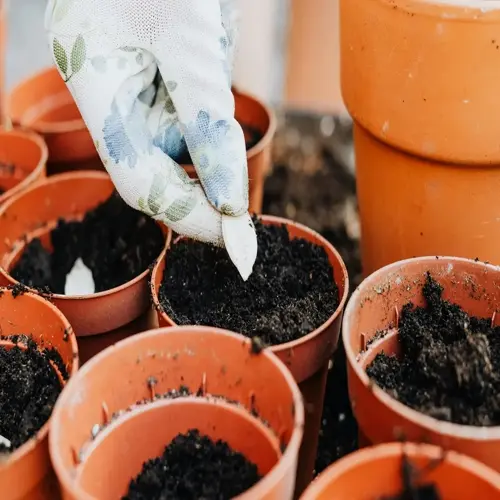
The range of peat moss garden uses surprised me when I first grew food at home. I started with seed trays, mixing peat 50/50 with perlite to give seedlings moisture without drowning them. My tomato and pepper plants grew stronger roots than anything I had managed with plain potting soil.
Container gardening became my next testing ground. I added about 30% peat moss to my potting mix for herbs on the back deck. The basil and cilantro stayed moist through hot summer afternoons when they used to wilt by noon. Then I tried lawn top dressing after overseeding in the fall, spreading a thin layer over bare patches. The grass seed germinated faster with peat covering it than the uncovered spots right next to it.
Peat moss works because of its physical structure at a microscopic level. Each fiber contains thousands of tiny pores called micropores that act like little sponges. These pores grab onto water molecules and hold them in place so roots can drink when they need to. At the same time, the spaces between the fibers let excess water drain away. This dual action prevents both drought stress and root rot, which is why so many growers depend on it.
As a peat moss soil amendment for garden beds, it shines when you mix it into the top 6-8 inches (15-20 cm) of your existing soil. A good starting ratio for raised beds is 30% peat to 70% garden soil. This blend holds moisture well without making beds too acidic for vegetables. For acid-loving plants like blueberries and azaleas, push that ratio up to 50% peat since they prefer lower pH.
Seed Starting Mixes
- Mix ratio: Combine equal parts peat moss and perlite for a light, sterile medium that holds moisture without compacting around delicate roots.
- Best practice: Pre-moisten the peat before filling trays since dry peat repels water and creates uneven moisture throughout your seed cells.
- Timing: Start seeds indoors 6-8 weeks before your last frost date for the strongest transplants ready for the garden.
Lawn Overseeding
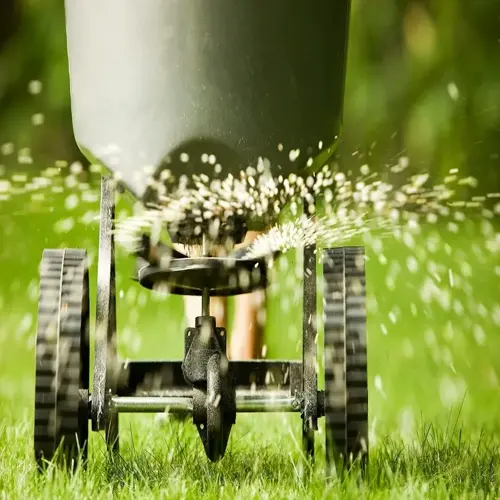
- Application depth: Spread a layer about 0.25 inches (0.6 cm) thick over freshly seeded areas to retain moisture and protect seeds from birds.
- Coverage rate: One compressed bale covers roughly 200 square feet when spread at the right thickness for lawn top dressing.
- Watering tip: Keep the peat layer damp for the first 10-14 days until grass seeds germinate and push through the surface.
Raised Bed Amendment
- Soil blend: Mix 30% peat with 70% garden soil and add compost for nutrients since peat contains none on its own.
- Depth target: Work the amendment into the top 6-8 inches of your bed where most vegetable roots grow and feed.
- Reapplication: Plan to add fresh peat each spring since it breaks down within 1-2 growing seasons and loses its water-holding power.
If you have never used peat before, start with seed starting. It gives you the fastest visible results with the smallest investment. Grab a small bag, mix it with perlite, and sow a tray of lettuce or herbs. You will see the difference in germination rates within 7-10 days compared to plain soil. From there, you can work your way up to amending your garden beds or top dressing your lawn with confidence.
One tip I wish someone had told me earlier is to always soak your peat moss in warm water before mixing it into anything. Dry peat fights water like a raincoat and you will waste time trying to get it moist after it is already in your pots or beds. Dump it in a bucket, add warm water, and squeeze it with your hands until it feels like a wrung-out sponge. That simple step saves frustration and gives your plants the moisture they expect from the start.
Read the full article: Peat Moss: Benefits, Uses, and Alternatives