
Can jasmine grow in Germany for real? Yes, it can. Several hardy species do well in German gardens year after year. You just need to match the plant to your local cold zone and give it some winter care to keep it safe.
I planted the winter jasmine Germany gardeners love about five years ago. It goes by the name Jasminum nudiflorum. That plant made it through three harsh winters with nothing but a thick layer of mulch. It blooms bright yellow in January and February when nothing else in my garden has any life at all.
Most of Germany sits in USDA zones 6 and 7. Zone 6 covers the colder inland areas. Zone 7 includes the milder Rhine Valley and western parts. Winter jasmine thrives in both zones. Common jasmine does well in zone 7 spots where winters stay a bit warmer.
Picking the best jasmine cold climate type means knowing each variety's low point. Winter jasmine handles drops down to -15°C (5°F) with no damage at all. Common jasmine survives in zone 7 and brings that sweet scent most people love. Star jasmine works in sheltered spots but needs more winter help from you to pull through.
Winter Jasmine (Jasminum nudiflorum)
- Cold limit: Survives down to -15°C (5°F) and grows in USDA zones 6-7, covering most of Germany without extra help from you.
- Bloom time: Flowers show up in late winter before the leaves come out, giving your garden bright yellow during the dreariest months.
- Best spot: Grows well against south-facing walls where stored heat gives the plant a warmer pocket to thrive in all year.
Common Jasmine (Jasminum officinale)
- Cold limit: Handles zone 7 lows and survives mild German winters in the Rhine Valley and western lowland areas near the coast.
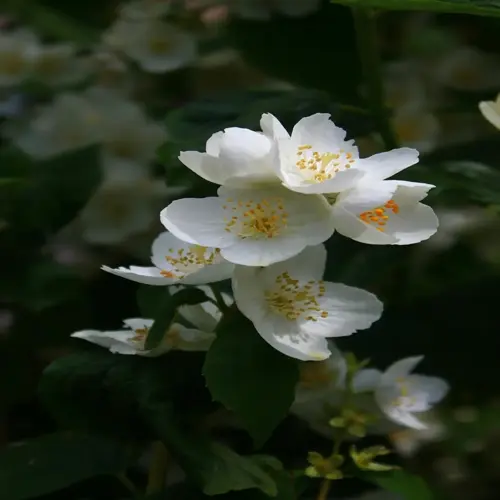
- Fragrance: Puts out the classic sweet jasmine scent from white star-shaped flowers that bloom all through the summer months.
- Growing tip: Train it on a trellis against a warm wall for extra heat and better air flow around the stems.
Arabian Jasmine (Jasminum sambac)
- Cold limit: Needs zone 9 at least, so you must bring it inside for German winters or keep it as a pot plant year-round.
- Indoor care: Place near a bright window and keep the air above 50% humidity during heating season to stop leaf drop.
- Reward: Gives you the strongest scent of all jasmine types and makes flowers used in jasmine tea around the world.
You can protect tender jasmine through German winters with a few easy steps. Spread 3 to 4 inches (7 to 10 cm) of straw or bark mulch around the base before the first frost. Wrap branches with garden fleece on nights that drop below -10°C (14°F). Move your potted jasmine inside to a cool bright room once temps stay below freezing.
Spring is the best time to buy jasmine at German garden centers. They stock plants from March through September. Give your new jasmine a spot that gets at least six hours of sun each day. Block cold north winds with a fence or wall. With the right type and some simple winter prep, you can grow jasmine in your German garden for years to come.
I once chatted with a gardener in Hamburg who had grown common jasmine for over ten years on her balcony. She moved the pot inside each November and back outside in April. Her plant bloomed every summer and filled the whole balcony with that sweet white flower scent. Her trick was a south-facing wall that kept the plant warm on cool spring nights.
Don't let the cold German climate scare you away from this plant. Thousands of gardeners across the country grow jasmine with great results. Start with winter jasmine if you want the easiest path. It asks for very little and gives you flowers when you need them most.
Read the full article: Jasmine Flower Types, Care and Uses