
Introduction
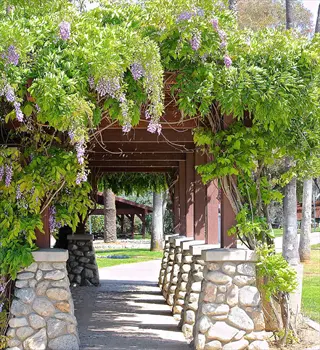
Picture a wisteria vine in full bloom draped across a pergola on a warm spring day. Long purple flower clusters hang down like grape bunches. The sweet scent pulls in bees, butterflies, and hummingbirds from all around. It looks like a scene from a dream garden.
But that beauty hides a real problem. I planted my first wisteria 12 years ago without knowing which wisteria species I bought. It was an invasive Asian type that tried to eat my whole back fence. Chinese wisteria came to the U.S. in 1816. Japanese wisteria showed up by 1830. The USDA Forest Service says 82% to 96% of wild wisteria in the Southeast are now hybrids of those two.
Growing wisteria doesn't have to mean fighting an invasive plant. Native types give you the same gorgeous flowering vine look. They stay tame and help local pollinators at the same time. More people now plant native species to support bees and butterflies. Native wisteria species fit that goal well.
This guide shows you how to pick the right species for your region. You'll learn proper planting, pruning, and support structure tips that keep your vine strong for decades.
4 Wisteria Vine Species
Four main wisteria species show up at garden centers today. Each one grows and behaves in very different ways. In my experience, knowing which wisteria species you're buying saves you years of regret.
Chinese wisteria twines its stems in a counter clockwise direction. Think of it turning the wrong way on a screw. It blooms before its leaves open in spring and grows in Zones 5 through 9. Japanese wisteria twines clockwise, like turning a jar lid tight. It's the hardiest Asian type, growing down to Zone 4. Both Asian species are invasive and can strangle trees.
You also have 2 native types to pick from. Both the American and the Kentucky wisteria stay well under control. American wisteria stays smaller and blooms after its leaves appear. The Amethyst Falls wisteria cultivars are easy to find at most nurseries. Kentucky wisteria handles cold down to Zone 3. The Blue Moon cultivar even blooms more than once per season.
Keep in mind that all wisteria seeds contain toxic compounds like lectin and wisterin. They're harmful to dogs, cats, and horses. You may also see silky wisteria and evergreen wisteria at some shops, but these are far less common than the big 4 species.
Planting Wisteria Vines
Planting wisteria the right way gives your vine a strong start from day one. I tested many planting methods and fixed mistakes that set vines back 3 to 5 years on blooming. Where to plant wisteria matters just as much as how to plant wisteria, so read through these steps before you dig.
Pick a spot with full sun for at least 6 hours each day. Your vine needs well-drained soil with a pH between 6.0 and 7.0 to grow its best roots. Spring planting works in most hardiness zones. If you live in Zones 7 through 9, fall planting works too since your winters stay mild enough for roots to settle in.
Always buy a grafted plant if you want blooms sooner. Grafted vines bloom in 3 to 5 years. Seed grown plants can take up to 15 years to produce flowers. Wisteria makes its own nitrogen thanks to root bacteria. You don't need to add any extra. Too much nitrogen gives you lots of leaves but no flowers.
Choose the Right Location
- Sunlight: Select a spot that receives at least six hours of direct sunlight daily, as wisteria needs full sun exposure to produce abundant flower clusters each spring season.
- Soil quality: Prepare well-drained, moderately fertile soil with a slightly acidic to neutral pH between 6.0 and 7.0 for the strongest root development and healthiest growth.
- Space planning: Allow at least 10 to 15 feet (3 to 4.5 meters) of growing space from foundations, pipes, and other structures to prevent root damage over time.
Prepare the Planting Hole
- Hole size: Dig a hole that is twice as wide and just as deep as the root ball to give the roots plenty of room to spread outward in loose soil.
- Soil amendment: Mix in a handful of bone meal or rock phosphate at the bottom of the hole to encourage strong root growth and future flowering without adding excess nitrogen.
- Drainage check: Fill the hole with water and watch it drain; if water sits for more than an hour, amend with coarse sand or choose a better-drained location nearby.
Plant and Water Thoroughly
- Planting depth: Set the root ball so the top sits level with the surrounding soil surface, as planting too deep can suffocate roots and delay flowering for years.
- Initial watering: Water deeply after planting until the soil is moist at least 6 inches (15 centimeters) down, then continue watering once or twice per week during the first growing season.
- Mulch layer: Apply a 2 to 3 inch (5 to 7.5 centimeter) layer of organic mulch around the base, keeping it several inches away from the stem to prevent rot.
Container Planting Option
- Pot size: Use a container at least 18 inches (45 centimeters) in diameter with drainage holes, choosing a heavy pot to prevent tipping as the vine grows top-heavy.
- Soil mix: Fill the container with a well-draining potting mix that holds some moisture, such as a blend of loam-based compost with added perlite for aeration.
- Winter care: Move container wisteria to a sheltered spot near a building wall during winter, or wrap the pot in burlap insulation to protect roots from freezing solid.
Pruning and Training Wisteria
Pruning wisteria is the single most important task you'll do for this vine. I learned that the hard way when my first vine went 5 years without a single bloom. The problem was that I kept cutting off the flowering wood by mistake. Wisteria blooms on wood that grew the year before. Cut that off and you lose next spring's flowers.
You need to prune your vine twice per year for the best results. This twice yearly pruning schedule keeps growth under control and pushes the vine to make more flower buds. The first 3 to 5 years of training wisteria shape the main frame that lasts the life of the plant.
Your late winter prune happens in January or February before new leaves show up. Cut back all the side shoots to just 2 or 3 buds from the main stem. These short stubs are where your spring flowers will form. Remove any dead wood and thin out crowded areas so air flows through the vine.
The summer prune comes right after flowering wraps up, around July or August. Cut the long whippy shoots back to 5 or 6 leaves from the base. This stops wild growth and sends energy into forming next year's flower buds instead of more leaves.
When to prune wisteria gets tricky when your vine just won't bloom. If your wisteria won't bloom after years of care, try the root pruning shock method. Push a sharp shovel into the ground about 2 feet from the trunk in a half circle. This cuts some roots and shocks the vine into flower mode. Adding bone meal to the cut area gives extra help with blooming.
Support Structures for Wisteria
Your wisteria vine will destroy a weak support structure in just a few years. In my experience, a weak wisteria trellis snaps apart in just one season when the vine packs on weight. Mature stems can grow over 15 inches across, so you need to build strong from the start. A wisteria pergola, wisteria arbor, or wisteria wall setup all work fine. Just make sure the materials can handle the load.
The best support structure for your garden depends on the space you have. A large yard calls for a metal wisteria pergola or a wisteria archway. Smaller spaces do better with a wall mounted wire system or a single steel post. Always use 6x6 inch or larger wood posts if you go with timber. Anything thinner will crack under the weight of a mature vine.
Metal Pergola or Arbor
- Best for: Large gardens and entertaining areas where you want a dramatic overhead canopy of cascading wisteria blooms creating a shaded outdoor living space below.
- Materials: Use galvanized steel or powder-coated aluminum posts with crossbeams rated for at least 500 pounds (227 kilograms) of combined vine and snow load.
- Installation: Set support posts in concrete footings at least 24 inches (61 centimeters) deep to prevent shifting as the vine's weight increases over the years.
Heavy Timber Pergola
- Best for: Traditional and cottage-style gardens where a natural wood appearance complements the surrounding landscape design and existing garden structures.
- Materials: Use pressure-treated 6x6 inch (15x15 centimeter) posts at minimum, with 4x8 inch (10x20 centimeter) crossbeams bolted together with galvanized hardware.
- Maintenance: Inspect wood joints and hardware annually for signs of stress, rot, or shifting, as mature wisteria can split weakened timber connections over several seasons.
Wall-Mounted Wire System
- Best for: Small gardens and urban spaces where a south or west facing wall provides reflected warmth and full sun exposure for maximum wisteria flower production.
- Materials: Install horizontal stainless steel wires at 18 inch (45 centimeter) intervals using vine eyes or heavy-duty screw anchors rated for masonry or brick walls.
- Training tip: Guide new stems along the wires in a fan shape during the first three to five years, tying loosely with soft garden twine to avoid girdling young shoots.
Freestanding Steel Post
- Best for: Creating a wisteria tree or standard form as a garden focal point, where a single strong post trains the vine into a weeping canopy shape on top.
- Materials: Use a 4 inch (10 centimeter) diameter galvanized steel pipe set at least 30 inches (76 centimeters) into a concrete footing for stability against wind.
- Training method: Remove all side shoots from the main trunk as it climbs the post, then allow branching only at the top to form the characteristic umbrella-shaped canopy.
Wisteria Pests and Diseases
Most wisteria problems come from pests or diseases you can spot early if you know what to look for. When I first started growing wisteria, I lost entire branches before I learned to spot trouble signs. Now I check my vines every 2 weeks and catch issues with wisteria scale and Japanese beetles before they spread.
Wisteria pests tend to show up in summer when new growth is soft and tender. You might find sticky residue on leaves from aphids or see leaves chewed down to their veins by beetles. Wisteria diseases like powdery mildew and crown gall are harder to spot at first. Look for white powder on leaf surfaces or odd bumps near the base of stems. The table below helps you match what you see to the right fix.
The wisteria borer is one pest that too many guides skip over. This insect tunnels into stems and can weaken the whole vine from the inside. Watch for sawdust at the base of your stems. Wisteria problems caught early are almost always fixable with basic tools and supplies you can find at any garden center.
Native Wisteria Alternatives
Native wisteria gives you the same beauty without the invasive mess. When I first switched from Asian to American wisteria, I was shocked at how much easier it was to manage. The vine stayed where I wanted it. No runners popping up across the yard. No vines trying to strangle my trees. If you want a non-invasive wisteria for your pollinator garden, these native picks are the way to go.
Amethyst Falls and Blue Moon are the 2 cultivars you'll find at most garden centers today. Both attract bees, butterflies, and hummingbirds to your yard. Skipper butterflies use American wisteria to lay their eggs on. Kentucky wisteria handles brutal cold that kills most other vines. Wisconsin now bans invasive Asian types. More states could follow soon.
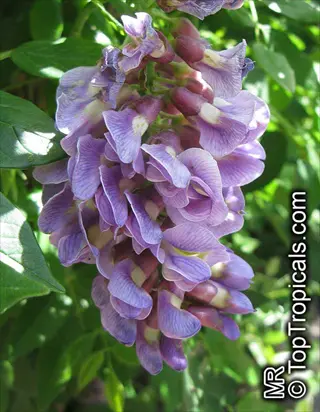
Amethyst Falls American Wisteria
- Species: Wisteria frutescens Amethyst Falls is the most widely available native wisteria cultivar at garden centers and online nurseries across the United States today.
- Flowers: Produces drooping clusters of blue-purple flowers measuring 4 to 6 inches (10 to 15 centimeters) long that bloom after the foliage opens in late spring each year.
- Growth habit: Reaches a manageable 15 to 20 feet (4.5 to 6 meters) in length, making it suitable for smaller garden structures without the aggressive spreading of Asian species.
- Wildlife value: Serves as a larval host plant for silver-spotted skipper and long-tailed skipper butterflies while also attracting hummingbirds and native bee species to the garden.
- Bloom speed: Grafted Amethyst Falls plants often produce their first flowers within one to two years of planting, much faster than seed-grown wisteria of any species.
- Care level: Requires minimal pruning compared to Asian wisteria and rarely sends out aggressive runners or stolons that could escape into surrounding natural areas.
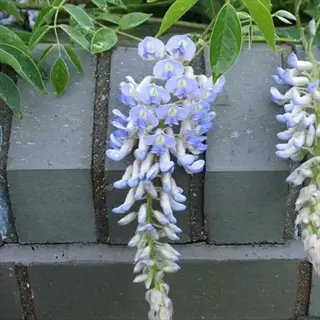
Blue Moon Kentucky Wisteria
- Species: Wisteria macrostachya Blue Moon is the hardiest wisteria available, surviving winter temperatures as low as minus 30 degrees Fahrenheit (minus 34 degrees Celsius) in Zone 3.
- Flowers: Displays lavender-blue flower clusters measuring 8 to 12 inches (20 to 30 centimeters) long, larger than American wisteria and rivaling the showiness of Asian species.
- Re-blooming: Unlike most wisteria that bloom only once in spring, Blue Moon produces a main flush in spring followed by additional lighter blooms in summer months.
- Growth habit: Grows 15 to 25 feet (4.5 to 7.5 meters) in length with a moderate growth rate that is vigorous enough to cover a pergola without becoming unmanageable.
- Cold climate choice: Developed specifically for northern gardeners who previously could not grow wisteria reliably due to flower bud damage during harsh winter freezes.
- Pollinator support: Attracts a wide range of pollinators including bumblebees, honeybees, and various butterfly species to the garden during each of its multiple bloom periods.
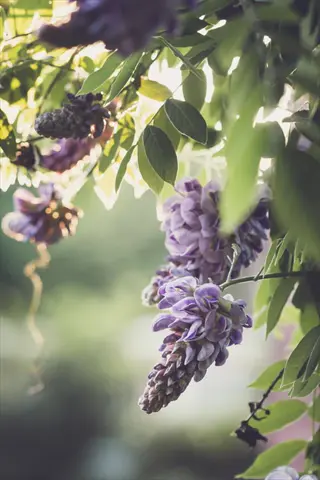
Longwood Purple American Wisteria
- Species: Wisteria frutescens Longwood Purple was selected at Longwood Gardens in Pennsylvania and produces some of the deepest purple flowers among native wisteria cultivars.
- Flowers: Bears rich violet-purple flower clusters measuring 6 to 10 inches (15 to 25 centimeters) long that open after foliage appears, creating a lovely contrast against green leaves.
- Fragrance: Produces a mild sweet scent that is noticeable up close, though less intense than the powerful fragrance of Chinese or Japanese wisteria species in full bloom.
- Growth habit: Reaches 20 to 30 feet (6 to 9 meters) in length with a moderate growth rate, making it suitable for medium to large pergolas and arbors in spacious gardens.
- Native range: Naturally occurs in the eastern United States from Virginia south to Florida and west to Texas, making it well adapted to the heat and humidity of southern gardens.
- Maintenance: Requires standard twice-yearly pruning but produces far fewer suckers and underground runners than its invasive Asian relatives, reducing overall maintenance time significantly.
Aunt Dee Kentucky Wisteria
- Species: Wisteria macrostachya Aunt Dee is a cold-hardy Kentucky wisteria cultivar that performs well in USDA Zones 4 through 8 with reliable flower production each spring season.
- Flowers: Produces light lavender flower clusters measuring 8 to 12 inches (20 to 30 centimeters) long with a slightly softer color tone than the more common Blue Moon cultivar.
- Bloom reliability: Known for consistent annual blooming once established, partly because its later spring bloom timing helps flower buds avoid damage from unexpected late frosts.
- Growth habit: Grows 20 to 25 feet (6 to 7.5 meters) in length and is slightly less vigorous than Blue Moon, making it a good choice for moderate-sized garden structures.
- History: Named after the aunt of the plant breeder who selected it, this cultivar has been grown successfully in the upper Midwest where many wisteria varieties cannot survive.
- Ecological benefit: Supports native pollinator populations without any risk of escaping into nearby woodlands or waterways, unlike Chinese and Japanese wisteria species.
You get the same stunning spring display with any of these native picks. The biggest perk is that your garden helps local wildlife instead of hurting it.
5 Common Myths
Wisteria vines need heavy fertilizing with nitrogen to produce abundant flowers each spring season.
Wisteria is a legume that fixes its own nitrogen through symbiotic Rhizobium bacteria in its roots, so adding nitrogen actually promotes leaf growth over flowers.
All wisteria species are equally invasive and should be avoided by responsible gardeners in every region.
Native American wisteria and Kentucky wisteria are well-behaved alternatives that provide similar beauty without the invasive tendencies of Chinese and Japanese species.
You can grow wisteria on any wooden fence or lightweight trellis without worrying about structural damage.
Mature wisteria stems can grow over 15 inches (38 centimeters) in diameter and are capable of destroying all but the strongest wooden or metal structures.
Planting wisteria seeds is the fastest and most reliable way to get a blooming vine in your garden.
Seed-grown wisteria can take ten to fifteen years or longer to bloom, while grafted plants typically flower within three to five years of planting.
Wisteria only needs to be pruned once a year during winter dormancy to keep it healthy and blooming.
Wisteria requires pruning twice per year, once in late winter before leafing out and once in summer after flowering, to control growth and encourage blooms.
Conclusion
Growing wisteria is one of the most rewarding things you can do in your garden. A single wisteria vine can live over 100 years based on USDA Forest Service data. The vine you plant today could still be blooming long after you're gone. That kind of legacy makes it worth getting the species choice right.
When I first started growing these vines, I wish someone had told me to go with native wisteria from the start. American and Kentucky types give you the same stunning blooms. They feed butterflies and bees instead of hurting local forests. More states now ban invasive Asian wisteria. Picking a native type is a smart choice for your garden's future.
Good wisteria care comes down to a few key habits. Prune twice a year and build a strong support frame. Watch for pests early and skip the nitrogen. These simple steps keep your vine healthy and covered in flowers for decades to come.
Your garden deserves a vine that gives back more than it takes. Give your wisteria the right start and it will reward you every spring for a lifetime.
External Sources
Frequently Asked Questions
Where should you not plant wisteria?
Avoid planting wisteria near foundations, septic systems, water pipes, weak wooden structures, or close to native forests where it can escape and become invasive.
How long does it take for a wisteria vine to grow?
Grafted wisteria vines can reach flowering maturity in three to five years, while seed-grown plants may take ten to fifteen years or longer.
Where is the best place to plant a wisteria?
Plant wisteria in a spot with full sun (at least six hours daily), well-drained fertile soil, and a sturdy support structure like a metal pergola or arbor.
Will wisteria survive winter?
Most wisteria species are winter hardy. Japanese wisteria survives to USDA Zone 4, Chinese wisteria to Zone 5, and Blue Moon Kentucky wisteria tolerates temperatures as low as minus 30 degrees Fahrenheit (minus 34 degrees Celsius).
Why is wisteria a problem?
Asian wisteria species are aggressive invasive plants that strangle trees, shade out native vegetation, and can cover several acres of forest, destroying local ecosystems.
Is it bad to touch wisteria?
Touching wisteria leaves and flowers is generally safe for most people, but the seeds and seed pods contain toxic compounds that can cause skin irritation and are dangerous if ingested.
Do wisterias bloom every year?
Established wisteria vines bloom every year in spring once they reach flowering maturity, though late frosts, excess nitrogen, or improper pruning can prevent annual blooming.
Is wisteria toxic to dogs?
Yes, all parts of wisteria are toxic to dogs. The seeds and pods are most dangerous, containing lectin and wisterin that cause vomiting, diarrhea, and stomach pain.
What is the lifespan of a wisteria?
Wisteria vines can live over 100 years. The world's largest known wisteria in Sierra Madre, California was planted in 1894 and still thrives today.
Does wisteria smell good?
Wisteria produces a sweet, grape-like fragrance that is most intense during peak spring bloom. Japanese wisteria varieties tend to be the most fragrant.