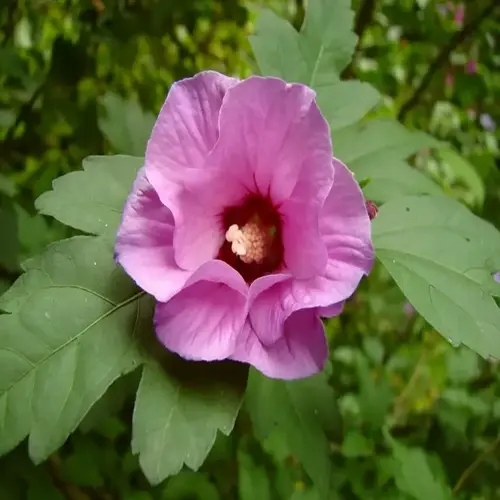

You need to know where not to plant wisteria before you put one in your yard. Stay away from house foundations, wooden fences, and wooded areas. These three spots cause the worst problems. The vine grows strong enough to break structures and spread into wild land fast.
I learned this after a wisteria grew into my roof gutters. The vine wrapped around both downspouts and pulled a gutter section clean off the fascia. The wisteria near house damage cost me over $800 to fix. I spent a full weekend cutting back growth that had wedged under my roof shingles. That one vine turned into a major repair project I never saw coming.
A neighbor had a second bad run-in with wisteria on a wooden deck railing. The vine cracked two posts and warped the top rail within three years. She had to tear out the whole section and rebuild it. Both of our stories show why you should take vine placement so seriously from day one.
The force behind this growth is real. Mature stems reach 15 inches (38 centimeters) across. They twist with enough power to crush wood and bend metal pipes. Your roof shingles can lift right off as stems push under them. This vine doesn't just lean on things. It grabs and squeezes until something breaks.
This vine spreads into wild areas fast too. The USDA Forest Service found vines that covered 2 to 3 acres in Alabama. The growth chokes out native plants and takes over whole forests. Wisconsin's DNR now bans Asian wisteria as a prohibited species there. Other states may follow as the problem grows worse each year. You don't want your garden vine turning into a regional pest.
One of the top wisteria planting mistakes is putting the vine too close to your house. It looks nice climbing up a wall at first. Then the stems start prying into siding joints and pulling window frames apart. Keep at least 10 feet (3 meters) between any wisteria and your nearest wall or foundation.
If you garden near woods or wild areas, skip Asian types and go with American wisteria instead. The native version grows with less force and won't escape into forests. For spots close to any building, pick a climbing rose or clematis. Those vines give you flowers without tearing your house apart over the next ten years.
Read the full article: Wisteria Plant Care and Growing Guide