
Introduction
The money plant is one of the most popular indoor plants you can grow at home or at work. But most folks don't realize the name covers 3 distinct species that each need different care. Get the wrong advice for your variety and it could die within weeks.
Golden pothos, or Epipremnum aureum, is the most common money plant types at garden stores. Pilea has round flat leaves shaped like small pancakes. Pachira aquatica is the braided trunk money tree. Calling every green vine by the same name is like calling every four legged pet a dog. The houseplant care each one needs varies a lot.
In my 8 years of growing all 3 species, I've seen golden pothos do some wild things. Lab tests from Environmental Health Perspectives showed it cut benzene from 36 ppm to nearly zero in just 2 hours. That's real science behind a plant most people grab on a whim at the store.
This guide walks you through every variety and their unique care needs. You'll find tips on soil, water, and light. You'll also learn which common mistakes to skip from the start.
8 Money Plant Varieties
Most guides lump all money plant types into one bucket and give you the same care tips for each. That's a huge mistake. I've killed 2 marble queen pothos by treating them the same as my golden pothos. Each variety below has its own light needs, growth speed, and pet safety profile that you must know before you buy.
Research from Brito et al. 2025 found that Epipremnum aureum leaves grow 9 to 13 times larger when vines climb up a support in bright indirect light. This fact matters for every climbing variety on this list. Give your Pilea peperomioides the same setup and it won't respond at all because it's a compact grower. Knowing your exact variety saves you time, money, and frustration.
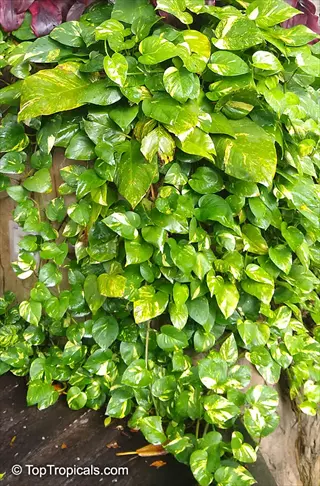
Golden Pothos
- Scientific Name: Epipremnum aureum, also known as devil's ivy, is the most common money plant found in homes and offices worldwide with heart-shaped green and yellow variegated leaves.
- Light Needs: Thrives in bright indirect light but tolerates low-light rooms, though variegation fades in dim conditions and leaves stay smaller without climbing support.
- Growth Habit: A vigorous trailing or climbing vine that can reach over 30 feet (9 meters) outdoors, with leaves growing 9 to 13 times larger when trained to climb vertically.
- Watering Tip: Allow the top inch (2.5 centimeters) of soil to dry between waterings, reducing frequency in winter to prevent root rot in cooler temperatures.
- Pet Safety: Contains calcium oxalate crystals that cause oral irritation, drooling, and vomiting in cats and dogs if chewed or ingested.
- Best For: Beginners who want a forgiving, fast-growing plant that adapts to most indoor conditions and purifies air by removing benzene and trichloroethylene.
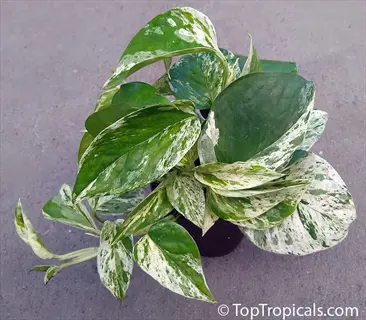
Marble Queen Pothos
- Scientific Name: Epipremnum aureum 'Marble Queen' features heavily white and green variegated leaves that create a striking marble pattern unique to this cultivar.
- Light Needs: Requires brighter indirect light than golden pothos to maintain its white variegation, as low light causes leaves to revert to solid green over time.
- Growth Habit: Grows at a slower pace than golden pothos due to less chlorophyll in its variegated leaves, reaching modest lengths of 5 to 10 feet (1.5 to 3 meters) indoors.
- Watering Tip: Water a bit less often than golden pothos because slower growth means less moisture uptake, checking soil dryness every 7 to 10 days.
- Pet Safety: Toxic to cats and dogs like all Epipremnum aureum cultivars, so keep trailing vines trimmed and out of reach of curious pets.
- Best For: Plant collectors who want visual drama and are willing to provide a bit more light than standard golden pothos requires.
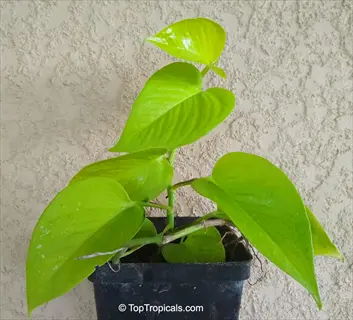
Neon Pothos
- Scientific Name: Epipremnum aureum 'Neon' stands out with solid chartreuse to bright lime-green leaves that add a bold pop of color to any indoor space.
- Light Needs: Performs best in medium to bright indirect light, which keeps the neon coloring vibrant, while low light causes leaves to darken toward standard green.
- Growth Habit: Grows at a similar rate to golden pothos with long trailing vines that make it ideal for hanging baskets or high shelves in living spaces.
- Watering Tip: Follow the same top-inch dryness rule as other pothos varieties, watering about every 7 to 10 days based on humidity and season.
- Pet Safety: Contains the same calcium oxalate crystals as all Epipremnum cultivars, making it toxic to cats, dogs, and small children if ingested.
- Best For: Anyone looking for a low-maintenance plant with eye-catching color that brightens darker corners without needing flowering blooms.
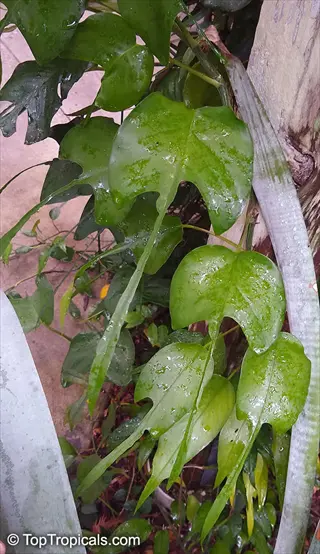
Cebu Blue Pothos
- Scientific Name: Epipremnum pinnatum 'Cebu Blue' has distinctive silvery blue-green elongated leaves with a subtle metallic sheen that sets it apart from standard pothos.
- Light Needs: Prefers bright indirect light and can develop natural fenestrations (leaf splits) when given a climbing pole and high-light conditions over time.
- Growth Habit: A fast climber that changes in a big way when given vertical support, shifting from small arrow-shaped juvenile leaves to large mature fenestrated foliage.
- Watering Tip: More sensitive to overwatering than golden pothos, so make sure soil dries out between waterings and use a well-draining potting mix.
- Pet Safety: Toxic to pets and humans like other Epipremnum species due to calcium oxalate crystal content in all parts of the plant tissue.
- Best For: Intermediate plant growers who appreciate unique foliage colors and want a climbing vine that rewards patience with dramatic leaf transformations.
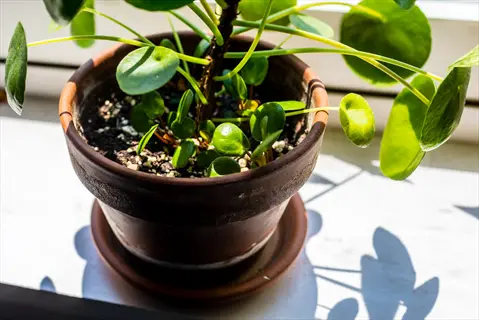
Chinese Money Plant
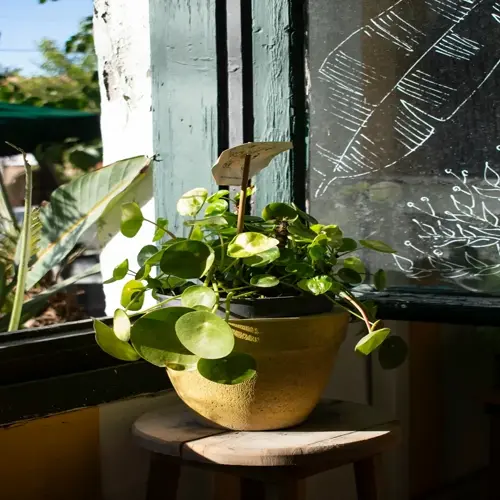
- Scientific Name: Pilea peperomioides is native to Yunnan Province in southern China and features round, flat, pancake-shaped dark green leaves on thin upright stems.
- Light Needs: Prefers bright indirect light and should be rotated weekly to prevent lopsided growth, as leaves naturally tilt toward the strongest light source available.
- Growth Habit: Compact grower reaching 8 to 12 inches (20 to 30 centimeters) tall and wide, producing baby plantlets called pups around the base for easy sharing.
- Watering Tip: Water when the top layer of soil feels dry and reduce watering in winter, as Pilea roots are sensitive to sitting in waterlogged soil for long periods.
- Pet Safety: Non-toxic to cats, dogs, and children according to NC State Extension, making it the safest money plant choice for pet-owning households.
- Best For: Pet owners and parents who want a money plant without toxicity concerns, plus anyone who enjoys propagating and sharing baby plants with friends.
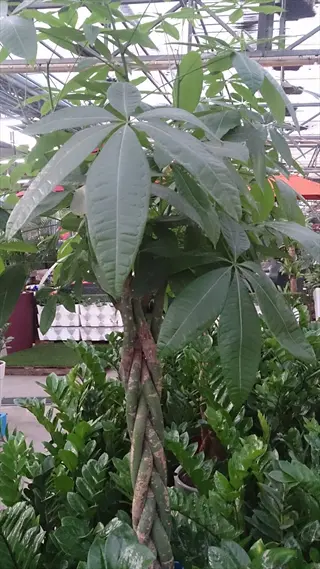
Pachira Aquatica Money Tree
- Scientific Name: Pachira aquatica is a tropical tree often sold with a braided trunk and palmate leaves, commonly marketed as the money tree in garden centers worldwide.
- Light Needs: Grows best in bright indirect light but tolerates medium light, and should be kept away from direct afternoon sun that can scorch its thin leaflets.
- Growth Habit: Can grow up to 6 feet (1.8 meters) tall indoors as a single trunk or braided specimen, reaching over 60 feet (18 meters) in its native tropical habitat.
- Watering Tip: Water well when the top 2 inches (5 centimeters) of soil are dry, about every 1 to 2 weeks, and always empty saucers to avoid root rot.
- Pet Safety: Considered non-toxic to cats and dogs by the ASPCA, making it a safer choice than golden pothos for homes with curious animals.
- Best For: Those who want a tree-like statement plant with strong Feng Shui associations, especially the lucky seven-leaf stems prized in traditional beliefs.
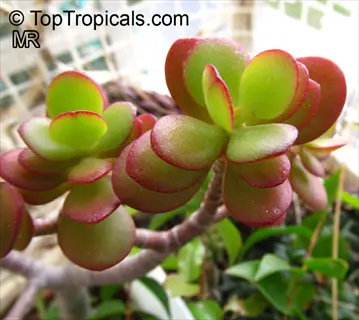
Jade Plant
- Scientific Name: Crassula ovata is a succulent also called the money plant or lucky plant, recognized by its thick oval leaves and woody branching stems that store water.
- Light Needs: Requires several hours of direct sunlight each day, best near a south or west-facing window, making it quite different from shade-tolerant pothos varieties.
- Growth Habit: A slow-growing succulent shrub that can reach 3 to 4 feet (0.9 to 1.2 meters) tall over many years, developing a tree-like trunk with age.
- Watering Tip: Water only when soil is bone dry, about every 2 to 3 weeks, as jade plants are drought-tolerant succulents prone to rot from overwatering.
- Pet Safety: Toxic in mild amounts to cats and dogs, can cause nausea and vomiting if eaten, so place on high shelves away from pets and small children.
- Best For: Succulent lovers who prefer a low-water plant with longevity, as jade plants can live for decades and develop beautiful woody trunk structures.
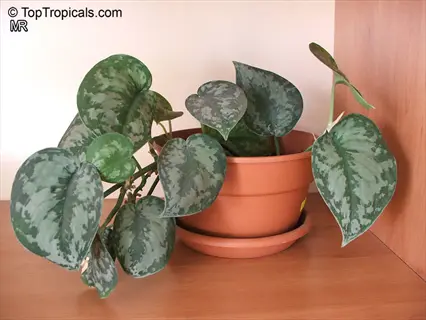
Silver Satin Pothos
- Scientific Name: Scindapsus pictus 'Argyraeus' is not a true pothos but a close relative, featuring heart-shaped dark green leaves with distinctive silver spots.
- Light Needs: Prefers medium to bright indirect light for best silver variegation display, though it tolerates lower light better than many other variegated houseplants.
- Growth Habit: A moderate trailing vine reaching 3 to 6 feet (0.9 to 1.8 meters) indoors, with a more compact growth pattern than golden pothos vines.
- Watering Tip: Let soil dry out a bit more between waterings than standard pothos, as silver satin is more prone to root rot from wet conditions that last too long.
- Pet Safety: Contains calcium oxalate crystals similar to Epipremnum species, making it toxic to cats and dogs if leaves or stems are chewed or consumed.
- Best For: Collectors seeking a textured, velvety look that pairs well with other trailing plants in hanging displays or mounted on climbing poles.
The key point is neon pothos and marble queen pothos need more light than the golden type. If your home stays dim, go with the standard golden variety or place a Pachira aquatica tree near your brightest window.
Money Plant Care Essentials
Good money plant care comes down to matching your routine to the seasons. I've watched dozens of people kill their pothos in winter because they kept watering on the same summer schedule. Your plant's needs change with the temperature, and bright indirect light stays important all year long.
Keep your money plant in a spot that stays between 65°F and 85°F (18°C to 29°C) for the best growth results. Money plant watering should follow one simple rule: stick your finger 1 inch into the money plant soil and water only when it feels dry. Use a well-draining soil mix with perlite to stop root rot before it starts.
Indoor heating in winter drops humidity fast, which causes brown leaf tips on most money plants. Aim for 40% to 60% humidity around your plant during cold months. A small humidifier or a pebble tray with water does the trick. Brito et al. 2025 found that plants in good light grow twice the breathing pores of low light plants. Your care routine and light placement work as a team.
Money plant fertilizer makes a big difference during spring and summer when your plant grows fast. Feed with a balanced liquid mix once a month. Stop all feeding in fall and winter when growth slows down. The table below breaks down every money plant care task by season so you always know what to do next.
Propagation Methods
Money plant propagation is one of the easiest ways to grow your collection for free. I've turned a single golden pothos vine into over 30 new plants in the past 5 years using these methods. Stem cuttings work best for most pothos types, while Pilea does best with pup division in spring or early summer.
You can grow money plant in water or root your stem cuttings straight into soil. Water rooting lets you watch the roots grow in real time, which is great for beginners. Air layering takes more patience but gives you a bigger, stronger cutting. Pick the method that fits your comfort level and timeline below.
Water Propagation Method
- Step 1: Cut a healthy stem 4 to 6 inches (10 to 15 centimeters) long just below a node, which is the small brown bump where leaves attach to the vine.
- Step 2: Remove the bottom 2 or 3 leaves to expose the nodes, then place the cutting in a clean glass jar filled with room temperature filtered water.
- Step 3: Position the jar in bright indirect light and change the water every 5 to 7 days to prevent bacterial growth and keep oxygen levels fresh for root development.
- Step 4: White roots should appear within 2 to 4 weeks, and once roots reach 2 inches (5 centimeters) long, transplant into moist well-draining potting mix.
- Timeline: Expect visible root growth in 10 to 14 days, transplant ready roots in 3 to 4 weeks, and established growth in the new pot within 6 to 8 weeks total.
Soil Propagation Method
- Step 1: Take a stem cutting with at least 2 nodes and remove lower leaves, then dip the cut end in rooting hormone powder for faster root growth if you have it on hand.
- Step 2: Insert the cutting 1 to 2 inches (2.5 to 5 centimeters) deep into a small pot filled with moist peat and perlite mix, pressing soil around the stem.
- Step 3: Cover the pot with a clear plastic bag or dome to keep humidity high around the cutting, which stops moisture loss while roots are still forming.
- Step 4: Keep the soil moist but not soaked, misting every 2 to 3 days, and expect rooting within 3 to 6 weeks before removing the humidity cover.
- Timeline: Roots set in about 3 to 6 weeks, with new leaf growth showing up 4 to 8 weeks after planting, which tells you the cutting took hold.
Air Layering Method
- Step 1: Pick a healthy section of mature vine and make a small upward cut about one third through the stem at a node, inserting a toothpick to keep the wound open.
- Step 2: Wrap damp sphagnum moss around the wounded node, then cover the moss ball with plastic wrap and secure both ends with twist ties or string.
- Step 3: Check the moss every 5 to 7 days, misting it through a small opening to keep moisture levels up, and watch for white roots growing through the sphagnum moss.
- Step 4: Once a strong root system shows through the plastic, cut the stem below the new roots and pot in fresh soil, which takes about 4 to 8 weeks.
- Timeline: Air layering takes 4 to 8 weeks for full root growth but produces a larger, more established cutting than water or soil methods.
Pilea Pup Division Method
- Step 1: Wait until your Pilea peperomioides grows baby plantlets (pups) around the base of the mother plant, which shows up once the plant is at least 1 year old.
- Step 2: Remove the pup by digging around its base with a clean knife, cutting the connecting root about 1 inch (2.5 centimeters) below the soil surface.
- Step 3: Plant the separated pup in a small 3 to 4 inch (7.5 to 10 centimeter) pot filled with well-draining soil, water it, and place in bright indirect light.
- Step 4: Keep soil moist for the first 2 weeks as the pup sets up its own root system, then switch to a normal watering schedule once new growth appears.
- Timeline: Pups root fast within 1 to 2 weeks and show new leaf growth within 3 to 4 weeks, making division the fastest way to propagate Chinese money plants.
Common Problems and Fixes
When your money plant starts to look sick, the fix is almost always simple once you spot the right cause. I've saved dozens of plants that looked dead by catching the problem early. Most common problems money plant owners face come down to water, light, or bugs. The guide below helps you find what's wrong fast.
Money plant leaves turning yellow is the number one issue I hear about from other growers. Brown tips come in at a close second, followed by drooping leaves and root rot. Each problem has a clear set of causes and fixes that you can act on right now. Check each section below to match your plant's symptoms.
Yellowing Leaves
- Most Common Cause: Overwatering that leads to soaked soil and roots starved of oxygen is the main reason money plant leaves turning yellow from the lower stems first.
- Quick Fix: Check soil moisture by pushing your finger 2 inches (5 centimeters) deep into the pot. If it feels wet, stop watering and let the soil dry out before the next session.
- Other Causes: Too much direct sun, lack of nutrients from months without food, or the natural aging of older lower leaves can also cause yellow spots.
Brown Leaf Tips
- Most Common Cause: Low humidity below 30%, which happens most in winter when indoor heating dries out the air around your money plant leaves turning brown at the edges.
- Quick Fix: Group your plants together to create a small humid zone, set pots on pebble trays filled with water, or run a humidifier near your plant collection.
- Other Causes: Salt buildup from tap water or too much plant food can burn leaf tips. Flush your soil with distilled water once a month to clear mineral deposits.
Root Rot Recovery
- Most Common Cause: Pots without drainage holes mixed with too much watering create standing water at the bottom, and root rot turns roots brown and mushy within weeks.
- Quick Fix: Pull the plant from its pot, cut all brown or slimy roots with clean scissors, let the good roots air dry for 1 hour, then repot in fresh dry soil.
- Prevention: Always use pots with drainage holes, add perlite or coarse sand to your potting mix, and water only when the top soil layer feels dry to the touch.
Pest Problems
- Common Pests: Spider mites, mealybugs, fungus gnats, and scale insects are the top attackers, showing up as tiny dots, white cotton patches, or small flies near the soil.
- Quick Fix: Wipe leaves with a damp cloth dipped in diluted neem oil (1 teaspoon per quart of water) once a week until every pest is gone from your plant.
- Prevention: Check new plants before placing them near your collection, keep leaves clean and dust free, and make sure air flows well around your money plant.
Leggy Sparse Growth
- Most Common Cause: Not enough light makes your plant stretch toward the nearest window, creating long bare stems with drooping leaves spaced far apart.
- Quick Fix: Move the plant closer to a bright window with indirect light, and prune leggy stems back to a node to push new branching and fuller growth.
- Climbing Tip: Give your plant a moss pole or trellis to climb, since research shows vertical growth in good light produces leaves 9 to 13 times larger than trailing growth.
Vastu and Feng Shui Placement
Where you place your money plant matters a lot if you follow money plant Vastu or money plant Feng Shui traditions. I grew up watching my grandmother put her pothos in the southeast corner of every home she lived in. She swore it brought good fortune, and millions of people across South Asia share that same belief about the best place to keep money plant.
According to Vastu Shastra, the southeast corner connects to wealth and financial growth. Feng Shui practitioners also point to this direction as the money plant for wealth zone in your home. The north side supports career and new chances, while the east promotes health and family bonds. These are cultural traditions, not science, but they guide how many people choose spots for their plants.
Both traditions agree you should skip the bathroom for your money plant. They believe water energy in that room drains positive energy from the plant. A living room or home office gives your plant a much better spot for growth and good vibes.
Science-Backed Benefits
Most websites list money plant benefits without backing them up with real data. I've spent years reading the studies behind these claims, and the truth is both exciting and a bit more nuanced than the hype. Golden pothos does clean your air, but you need to know the real numbers and limits before you expect miracles from one small pot.
The best money plant air purification data comes from Claudio 2011. That study showed golden pothos on a carbon filter cut benzene and related toxins from 36 ppm to near zero in just 2 hours. A 2025 filter study found 99.8% acetone removal using pothos as indoor air quality plants. These results came from small chambers, not full rooms. Your home would need many plants plus good airflow to match those lab numbers.
Indoor Air Purification
- Research Finding: Golden pothos grown on activated carbon filter reduced benzene and related toxins from about 36 ppm to near zero within just 2 hours in controlled lab conditions.
- Real World Context: Benefits are strongest in buildings with low airflow and good energy seals, according to Claudio 2011 in Environmental Health Perspectives.
- Important Caveat: A normal room would need many plants to copy lab results, so money plants help your air but do not replace proper fans and filters.
Low Maintenance Requirements
- Beginner Friendly: Golden pothos handles missed waterings, dim rooms, and temperature swings, making it one of the most forgiving low maintenance houseplants for new growers.
- Time Investment: A healthy plant needs a quick check about once per week for water and once a month for food, taking less than 5 minutes each time you care for it.
- Bounce Back Ability: Even plants that look dead can often come back to life when you start watering again, trim dead growth, and give them enough indirect light.
Remarkable Growth Ability
- Scientific Evidence: Brito et al. 2025 showed that Epipremnum aureum adjusts its leaf size, structure, and light processing together to get the most growth in any setting.
- Display Options: Money plants grow well as trailing vines in hanging baskets, climbing specimens on moss poles, and even rooted cuttings in water-filled glass jars on your desk.
- Growth Potential: The same species that stays small on a shelf can produce leaves 9 to 13 times larger when given a climbing surface and bright indirect light.
Stress Reduction and Wellbeing
- General Research: Multiple studies on indoor plants show that caring for greenery reduces anxiety and stress hormones, though no study has tested money plants on their own.
- Visual Comfort: Lush green leaves and flowing vines create a calming natural look that softens indoor spaces and brings a piece of the outdoors into your home or office.
- Work Benefits: Offices with visible plants report higher worker satisfaction and focus, which supports the common practice of keeping money plants on work desks.
The science is real but keep your expectations honest. One pothos on a shelf won't clean a whole room. A group of 5 to 10 plants in a small space with good light will make a noticeable difference in your air and your mood over time.
5 Common Myths
Money plants only grow well in water and do not need soil to survive long term indoors.
Money plants grow faster and healthier in well-draining soil because roots access more nutrients, though water propagation works for starting new cuttings.
All money plants are the same species, so care instructions are identical for every variety you purchase.
The name money plant covers at least three distinct species including Epipremnum aureum, Pilea peperomioides, and Pachira aquatica, each with different care needs.
Money plants purify all the air in your home and replace the need for proper ventilation or air filters.
Research shows pothos can reduce specific toxins like benzene in small chambers, but real-world rooms require many plants alongside normal ventilation for meaningful air quality improvement.
Money plants bloom frequently with small white flowers when you provide the right growing conditions indoors.
Epipremnum aureum has only been observed flowering once in over 140 years of documented history due to a natural gibberellin hormone deficiency.
Placing a money plant anywhere in your home will automatically attract wealth and financial prosperity to your family.
Vastu and Feng Shui traditions recommend specific directions like southeast or north for placement, and these are cultural beliefs rather than scientifically proven claims.
Conclusion
The single biggest lesson from this guide is that money plant types are not all the same. Golden pothos, Pilea, and Pachira each need their own money plant care routine. Getting the species right means your plant lives longer, grows faster, and stays safe around your pets and kids.
The science behind money plant benefits is real and worth knowing. Golden pothos strips toxins from indoor air in lab tests and grows 9 to 13 times larger leaves when you let it climb in bright light. These aren't vague claims. They come from studies you can look up and trust. Money plant propagation through stem cuttings is the fastest way to fill your home with more of these indoor plants for free.
Most guides online skip the species question and leave you guessing which plant you even own. Go back to the varieties section above and match your plant to the right species. That one step will save you from wrong care advice and toxic surprises if you have pets at home.
Maybe you're growing your first golden pothos cutting in a glass of water right now. Or maybe you're training a mature vine up a moss pole. Either way, this plant rewards even small amounts of effort. Start with the right species and follow the seasonal care chart. Your plant will thrive for years to come.
External Sources
Frequently Asked Questions
Is money plant good for home?
Yes, money plants are excellent for homes because they purify indoor air, require minimal care, and thrive in low-light conditions.
How do you take care of a money plant?
Water when the top inch of soil is dry, provide bright indirect light, use well-draining soil, and fertilize monthly during the growing season.
Why is it called a money plant?
The name comes from cultural beliefs in Feng Shui and Vastu Shastra that associate the plant with prosperity, wealth, and financial good fortune.
Is the money plant toxic to cats?
Epipremnum aureum (golden pothos) contains calcium oxalate crystals that are toxic to cats, causing oral irritation, drooling, and vomiting.
Where not to put a money tree?
Avoid placing a money tree in direct sunlight, near heating or cooling vents, in drafty areas, or in rooms with temperatures below 50 degrees Fahrenheit (10 degrees Celsius).
Which is the luckiest plant for home?
Money plants, jade plants, lucky bamboo, and peace lilies are among the luckiest plants for home according to Feng Shui and Vastu traditions.
How long do money plants last?
With proper care, money plants can live for ten years or more indoors, and some species like Pachira aquatica can survive for decades.
Is money plant lucky or unlucky?
Money plants are widely considered lucky in both Feng Shui and Vastu Shastra traditions, associated with wealth and positive energy flow.
Which plants should not be kept in the bedroom?
Plants with strong fragrances, large oxygen-consuming species at night, and thorny or spiky plants like cacti are traditionally avoided in bedrooms.
What do 7 leaves on a money tree mean?
Seven leaves on a single stem of a Pachira aquatica money tree are considered extremely lucky, as seven is a powerful number in many cultural traditions.