
Introduction
Run your fingers across a lambs ear plant and you feel the softest velvet nature can make. Each leaf grows 4 to 6 inches long with a dense white wool coat. That fuzzy silver covering gives the whole plant its famous silvery-gray foliage and its common name.
I first planted Stachys byzantina about 8 years ago when I needed tough ground cover for a dry slope. What shocked me was how little this plant asks from you once it takes root. It shrugs off deer, rabbits, poor soil, and even black walnut toxins. In my experience, few perennials are this forgiving in a hot garden.
This guide covers more than the basic tips you find on most garden sites. You get 8 tested varieties of lamb's ear plant matched to different garden styles. You also get companion plant picks and research backed medicinal facts. New studies show the plant holds anti-inflammatory compounds that match prescription drugs in tests.
Maybe you want a sensory garden that kids love to touch. Or you need a water wise border for USDA zones 4a through 9b. Either way, this growing guide gives you what you need to grow lambs ear from your first planting day forward.
8 Best Lamb's Ear Varieties
Not all lamb's ear varieties look or act the same in your garden. Some stay low and tight while others send up tall flower spikes. The Chicago Botanic Garden tested 29 Stachys taxa since 1998 to rate which ones perform best for home growers.
I grow 4 of these varieties in my own beds and have tested the rest in client gardens over the years. Each one below has a best for tag so you can match the right cultivar to your garden needs fast. The non-flowering cultivars like Silver Carpet and Helene von Stein save you cleanup time all summer. Compact picks like Silky Fleece fit small spaces and containers with ease.
Silver Carpet
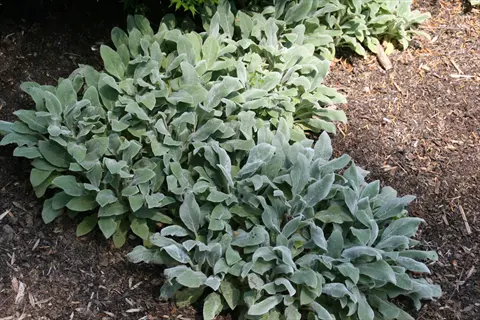
- Best For: Ground cover and edging along pathways, as this variety almost never produces flower stalks and stays compact and tidy all season long.
- Height: Grows just 4-6 inches (10-15 centimeters) tall, forming a dense, spreading mat of silvery leaves that hugs the ground tight.
- Foliage: Features the classic soft, silver-gray leaves that make lamb's ear so popular in sensory gardens and children's play areas.
- Maintenance: Requires minimal care since it does not produce flowers, eliminating the need for deadheading or cutting back spent bloom stalks.
- Spread: Fills in garden beds fast by rooting at stem nodes, making it ideal for covering bare soil or suppressing weeds between taller plants.
- Climate Note: Performs best in dry climates and may struggle in the humid Southeast where leaf rot can develop during hot, wet summers.
Helene von Stein (Big Ears)
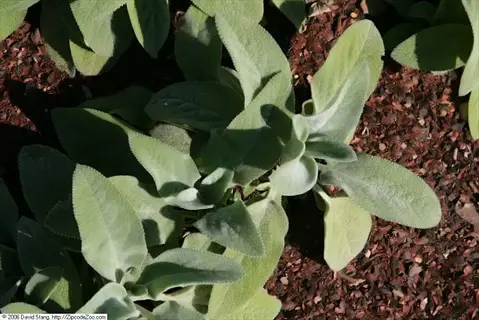
- Best For: Large-scale ground cover and mixed borders where you want oversized foliage without the mess of flower stalks dropping seeds.
- Height: Leaf rosettes grow 8-10 inches (20-25 centimeters) tall with leaves about twice the size of the standard species at up to 10 inches (25 centimeters).
- Foliage: Produces the largest leaves of any lamb's ear variety with a greener tone and less fuzzy texture than other cultivars.
- Maintenance: Seldom flowers, so you almost never need to deadhead, and it bounces back faster than other varieties after winter cold damage.
- Spread: Expands at a steady pace to fill spaces and makes an excellent living mulch under roses, shrubs, or along the front of perennial borders.
- Climate Note: Tolerates more humidity than other varieties because its less fuzzy leaves dry faster after rain, reducing the risk of fungal rot.
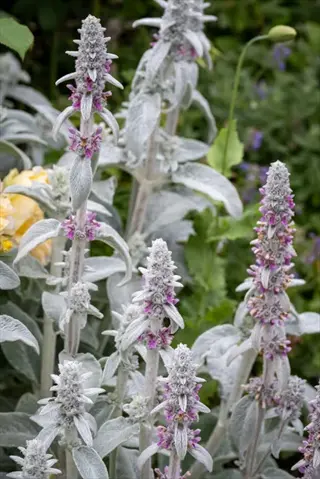
Cotton Boll
- Best For: Flower arrangements and dried crafts because its unique cottony seed heads look like soft white pom-poms on tall stalks.
- Height: Flower spikes reach up to 24 inches (61 centimeters) tall with distinctive ball-shaped white seed heads that persist well into fall.
- Foliage: Keeps the standard silvery leaves at the base while producing cotton-like blooms that add vertical interest to your beds.
- Maintenance: Sterile variety that cannot produce viable seed, so it will not self-sow or take over your garden beds.
- Spread: Propagation is only possible through division since this cultivar is sterile, giving you complete control over where it grows.
- Climate Note: Rated 4 out of 5 by the Chicago Botanic Garden in multi-year trials for ornamental value, disease resistance, and winter hardiness.
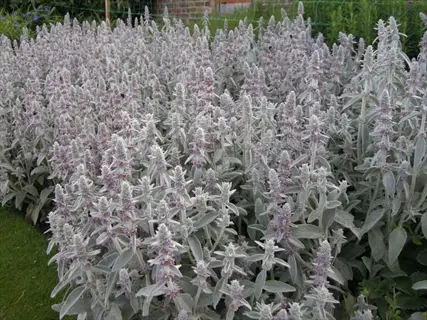
Silky Fleece
- Best For: Small gardens, containers, and rock gardens where a compact lamb's ear variety is needed to fill tight spaces without overwhelming neighbors.
- Height: One of the smallest cultivars at just 4 inches (10 centimeters) tall for foliage, making it perfect for miniature garden designs and fairy gardens.
- Foliage: Produces dense, extra-soft silvery leaves that are smaller and more refined than the standard species but just as touchable.
- Maintenance: Does produce small flower spikes but they stay proportional to the plant size, and light deadheading keeps it looking neat.
- Spread: Grows at a slower, more compact pace than larger varieties, making it easier to manage in containers and defined garden spaces.
- Climate Note: Works well in zones 4-8 and prefers excellent drainage, making it a strong candidate for rock garden pockets and raised bed edges.

Primrose Heron
- Best For: Adding color contrast to silver-themed gardens because its new spring leaves emerge in a striking chartreuse-yellow before maturing to gray-green.
- Height: Reaches 6-8 inches (15-20 centimeters) for foliage rosettes with flower spikes extending to about 18 inches (46 centimeters) tall in summer.
- Foliage: Unique among lamb's ear varieties for its golden-yellow new growth that shifts to the familiar silvery-gray as leaves age.
- Maintenance: Produces flower spikes that should be removed if you prefer the foliage display, or left for pollinators if you enjoy the purple blooms.
- Spread: Moderate spreading habit similar to the standard species, filling in garden spaces at a manageable pace over the growing season.
- Climate Note: The yellow coloring is most vivid in cooler spring temperatures and may fade faster in regions with intense summer heat and direct sun.
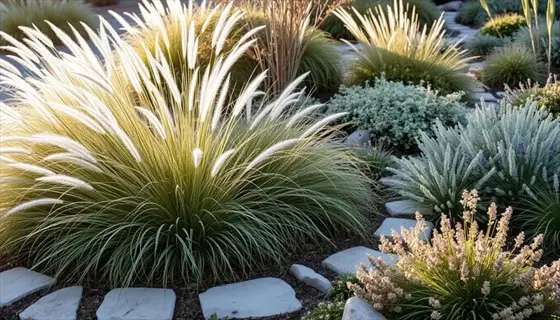
Silver Queen
- Best For: Mixed perennial borders where you want a slightly larger lamb's ear with reliable flower production and classic silvery foliage appeal.
- Height: Foliage grows to about 6 inches (15 centimeters) with flower stalks reaching 18-20 inches (46-51 centimeters) topped with purple-pink blooms.
- Foliage: Features the traditional dense silver leaves with a more upright habit than ground-hugging varieties like Silver Carpet.
- Maintenance: Produces flowers each summer that attract bees and butterflies, and you should deadhead if you want to prevent self-seeding in beds.
- Spread: Moderate to vigorous spreader that benefits from division every two to three years to keep clumps healthy and prevent center dieback.
- Climate Note: Well-suited for zones 4-8 with good performance in both northern and moderate southern climates when given afternoon shade protection.
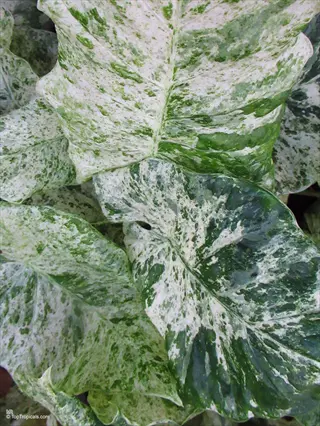
Striped Phantom
- Best For: Collectors and gardeners who want an unusual variegated lamb's ear with cream and green striped leaves that stand out from solid varieties.
- Height: Grows to about 6-8 inches (15-20 centimeters) for foliage with occasional flower spikes reaching up to 18 inches (46 centimeters) in summer.
- Foliage: Distinctive cream-striped leaves with the soft woolly texture create a unique look that adds visual interest beyond the standard silver varieties.
- Maintenance: May need a bit more attention than other varieties as the leaf pattern can revert to solid green on some stems that need removing.
- Spread: Spreads at a slower pace than non-variegated types because the reduced chlorophyll in striped leaves means less energy for growth.
- Climate Note: Performs best in partial shade in hot climates since the variegated leaves can burn faster than the standard fuzzy silver varieties.
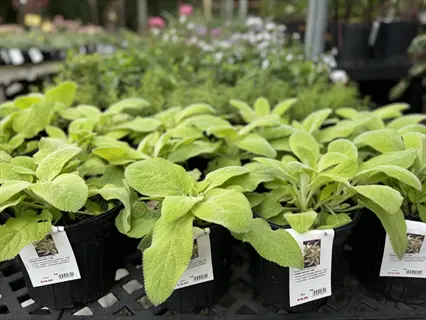
Key Lime
- Best For: Brightening shaded garden edges and adding a pop of lime-green color that contrasts well with the typical silver lamb's ear palette.
- Height: Maintains a compact 6-8 inch (15-20 centimeter) mound of chartreuse foliage that stays colorful from spring through the first fall frost.
- Foliage: Lime-green to chartreuse fuzzy leaves offer a fresh look from silver varieties while keeping the signature soft, touchable texture.
- Maintenance: Avoid too much fertilizer with this variety as excess nutrients cause floppy, stretched growth that loses the tight, attractive mounding form.
- Spread: Moderate spreading habit that fills in at a reasonable pace, making it suitable for both border edging and small container arrangements.
- Climate Note: The chartreuse color holds best with morning sun and afternoon shade, making it a good option for gardens with partial shade conditions.
Your best starting choice depends on what you need most from the plant. Pick Silver Carpet or Big Ears if you want clean ground cover with no flower mess. Go with Cotton Boll if you love crafting with dried flowers from your own garden.
How to Grow Lamb's Ear
Learning how to grow lamb's ear starts with one golden rule. Give it well-drained soil and full sun, then step back and let it do its thing. This plant is drought tolerant and poor soil tolerant, which means less work for you and more time to enjoy your garden.
In my experience, I have killed more lamb's ear plants by caring too much than by ignoring them. Overwatering is the number one mistake I see in my clients' gardens across every USDA zone I work in. The tips below cover each growing need with a common mistake warning so you avoid the traps that catch most new growers.
Sunlight and Location
- Light Needs: Plant lamb's ear where it receives at least six hours of direct sunlight daily for the densest, most silvery foliage and strongest growth habit.
- Hot Climate Tip: In areas with intense afternoon heat above 95°F (35°C), provide light afternoon shade to prevent leaf scorch.
- Humid Region Tip: In the Southeast and Gulf Coast, choose the sunniest spot possible with good air circulation to help leaves dry quickly and prevent fungal rot.
Soil and Drainage
- Soil Type: Use well-drained, average to poor soil with a slightly alkaline to neutral pH, and avoid rich, heavily amended beds that cause weak growth.
- Drainage Fix: If you have clay soil, plant lamb's ear in raised beds or mound the soil 4-6 inches (10-15 centimeters) above grade to improve water runoff.
- Amendment Warning: Skip the compost and fertilizer for this plant because too much nutrition produces floppy stems and oversized leaves prone to disease.
Watering Schedule
- Frequency: Water newly planted lamb's ear once per week until roots establish, then reduce to watering only during extended dry spells lasting two weeks or more.
- Technique: Always water at the base of the plant and never from overhead, as wet woolly leaves trap moisture and quickly develop fungal rot and mildew.
- Winter Watering: Stop supplemental watering in fall to help the plant harden off for winter, as soggy soil during dormancy causes crown rot and death.
Seasonal Maintenance
- Spring Cleanup: Remove any dead or mushy leaves in early spring to expose healthy new growth underneath and improve air circulation at the crown.
- Summer Care: Deadhead flower stalks as they fade unless you want seeds, and thin crowded centers by removing every third rosette to prevent moisture buildup.
- Division Timing: Divide clumps every two to four years in spring or early fall by digging up the outer rosettes and replanting them 12 inches (30 centimeters) apart.
The biggest takeaway from years of growing this plant is simple. Less care beats more care every single time with lamb's ear across all USDA zones. Put it in the right spot and it rewards you with silver beauty all season long.
Lamb's Ear in Garden Design
Lamb's ear works as the silver thread that weaves all your garden colors into one smooth picture. Bright pinks, deep purples, and bold blues can clash on their own. Add a band of silver foliage between them and those same colors settle into a calm, unified border plant display.
In my experience, lamb's ear works best as an edging plant along garden paths. It softens hard stone edges and gives your visitors something soft to brush as they walk past. You can use this trick in a cottage garden or a moon garden. It also shines in a xeriscape border that needs low water ground cover.
The table below shows you my favorite lamb's ear companion plants with exact spacing for each garden style. I tested these combos over many growing seasons in my own beds and in client gardens.
For a sensory garden, plant lamb's ear in drifts of 5 to 7 plants along the path edge where hands can reach them. Mix in catmint and lavender behind for scent and you create a space that engages touch, smell, and sight all at once.
Medicinal Uses of Lamb's Ear
Most garden guides skip the lamb's ear medicinal uses that make this plant so special. In my experience, few growers know the history behind those fuzzy leaves. Healers in Iran and Turkey pressed them onto cuts as a traditional herbal remedy. The soft wool stops bleeding and covers the wound treatment site like a natural bandage.
In Brazil, healers brewed leaf tea from this anti-inflammatory plant to ease joint pain and swelling. I first read about these uses in a research paper and it changed how I see my own garden. These aren't just pretty silver leaves. They hold 23 or more bioactive compounds across 5 chemical classes.
A 2024 study in ACS Omega put the Stachys byzantina bioactivity to the test on skin swelling. A leaf extract cut swelling by 78% in the lab. That result matched the prescription drug dexamethasone in the same test. In one model, the plant extract even beat the drug at reducing redness.
Scientists found compounds called byzantionosides A and B in this species alone. The plant also packs flavonoids, steroids, and antioxidants that fight cell damage. No tests showed harm to skin cells. That result backs up the healing use that people trusted for ages.
You should not eat or apply lamb's ear as medicine without talking to your doctor first. But knowing your garden holds a plant with real lab backed proof for its healing claims adds a new layer of respect for this fuzzy perennial.
Troubleshooting Lamb's Ear
Most lamb's ear problems trace back to one issue: too much moisture. In my experience, gorgeous clumps can turn to brown mush in a single week of rain. The guide below helps you spot trouble fast. You can fix leaf rot, overwatering damage, and humidity damage before you lose the whole plant.
One quick note before you panic about bugs on your lamb's ear. The wool carder bee strips fuzz from the leaves to build its nest. It looks like it is eating the plant but it is a beneficial pollinator doing no real harm. Leave it alone and enjoy watching it work.
Leaf Rot from Humidity
- Symptoms: Leaves turn brown, mushy, and slimy at the base of the plant, often spreading outward from the center of the clump during hot, humid weather.
- Cause: Dense woolly leaves trap moisture against each other when humidity stays above 70%, creating ideal conditions for fungal and bacterial decay.
- Solution: Thin crowded centers by removing every third rosette, improve air circulation, and avoid overhead watering to keep leaves as dry as possible.
Powdery Mildew
- Symptoms: White or grayish powdery coating appears on leaf surfaces, which is hard to spot on silver lamb's ear leaves without close inspection.
- Cause: Poor air circulation combined with warm days and cool nights creates the humidity swings that powdery mildew fungi need to grow and spread.
- Solution: Space plants at least 12 inches (30 centimeters) apart, remove affected leaves right away, and apply a baking soda spray as a natural fungicide.
Crown Meltout
- Symptoms: The center of a mature clump dies out while the outer edges stay healthy, leaving an ugly ring or gap in your planting bed.
- Cause: Older central growth gets too dense for air and water to reach, so the crowded interior roots and stems rot and die from poor circulation.
- Solution: Divide the plant every 2 to 4 years in spring by removing the dead center and replanting the healthy outer sections with fresh spacing.
Root Rot from Overwatering
- Symptoms: The whole plant wilts despite wet soil, leaves yellow from the bottom up, and roots look dark brown or black and mushy when pulled up.
- Cause: Heavy clay soil or too much watering keeps roots soaked, cutting off oxygen and letting root rot fungi attack the weakened plant tissues.
- Solution: Improve drainage by adding perlite or coarse sand to planting holes, cut back on watering, and replant healthy sections in raised beds or mounds.
If your whole clump collapses at once during winter, you may be dealing with crown meltout from wet soil. Dig it up in spring, save the healthy outer rosettes, and replant them in a spot with better drainage. Most plants bounce back strong when you give them a fresh start.
Lamb's Ear Propagation Methods
Knowing how to propagate lamb's ear saves you money and lets you fill your garden beds for free. In my experience, the plant gives you 3 solid methods to make new plants: division, stem cuttings, and seed propagation. Each method works best at a different time of year.
Division is the fastest and most reliable way to get strong new plants that match the parent. I divide my clumps every spring and give the extras to friends. Dividing lamb's ear also keeps the mother plant healthy by preventing that ugly crown meltout you get when clumps grow too thick.
To divide, dig up the whole clump in early spring or fall. Pull apart the outer rosettes with your hands or cut them with a sharp knife. Each piece needs some roots attached. Replant the divisions 12 inches apart in well-drained soil and water once. New growth shows up within 2 to 3 weeks.
Stem cuttings work great for lamb's ear because the plant spreads by rooting at nodes along its stems. Cut a 4 to 6 inch stem section that has at least 2 leaf nodes on it. Strip the lower leaves and press the cut end into moist sand or perlite. Keep the cutting in bright shade and it should root in about 3 to 4 weeks with gentle misting.
Seed propagation takes more patience but it lets you grow lots of plants at once. Scatter seeds on top of moist potting mix in spring and press them down without covering them. The seeds need light to sprout. Keep the soil damp and you should see tiny fuzzy seedlings in 14 to 21 days at around 65°F (18°C).
Keep one key fact in mind about named cultivars and seeds. Cotton Boll is sterile and makes no viable seed at all. Big Ears seldom makes seed either. If you want an exact copy of a named variety, division is your only sure method. Seeds from other types may not match the parent plant.
5 Common Myths
Lamb's ear needs frequent watering to keep its soft, fuzzy leaves looking healthy and hydrated throughout the growing season.
Lamb's ear is drought-tolerant once established and actually suffers from overwatering, which causes leaf rot and fungal infections in humid conditions.
You should plant lamb's ear in rich, fertile soil with plenty of compost and organic matter for the best growth results.
Lamb's ear actually prefers poor to average soil and too much fertility causes floppy, weak growth that is more prone to disease and pest problems.
Lamb's ear is an invasive plant that will take over your entire garden and is impossible to remove once it gets established.
While lamb's ear does spread by rooting stems, it is easy to control by pulling unwanted runners and is not classified as invasive in any region.
All lamb's ear varieties produce tall flower spikes that make the plant look messy and unattractive during the summer months.
Several cultivars like Silver Carpet and Helene von Stein rarely flower or produce no blooms at all, keeping a neat, low foliage appearance year round.
Lamb's ear cannot survive cold winters and must be treated as an annual plant in northern climates with freezing temperatures.
Lamb's ear is hardy down to USDA zone 4a, surviving winters with temperatures as low as negative 30 degrees Fahrenheit (negative 34 degrees Celsius).
Conclusion
The lamb's ear plant stands out as one of the most forgiving perennials you can grow. It thrives across USDA zones 4a through 9b and laughs off deer and rabbits. You only need to divide it every 2 to 4 years to keep it looking great in your beds.
This growing guide showed you that lamb's ear offers more than pretty silver ground cover. It pairs with dozens of companion plants in your garden. It holds real medicinal compounds backed by lab research. It also supports pollinators that visit your beds each summer.
In my experience, the secret to success is simple. Pick a sunny spot with fast draining soil and water from the base. Resist the urge to fertilize. That formula works in a drought tolerant garden or a cottage border just as well.
Start with one low maintenance perennial this spring and watch it spread into a silver carpet across your beds. Lamb's ear rewards you more the less you fuss over it. That makes it the perfect first step for anyone building a water wise landscape.
External Sources
Frequently Asked Questions
Is lamb's ear a sun or shade plant?
Lamb's ear grows best in full sun with at least six hours of direct sunlight daily, though it tolerates light afternoon shade in hot climates.
What is the plant lamb's ear good for?
Lamb's ear serves as ground cover, border edging, and sensory garden texture, and research shows it contains anti-inflammatory and antioxidant compounds.
Where is the best place to plant lambs ear?
Plant lamb's ear in a sunny spot with well-drained soil, such as along walkways, rock gardens, or raised beds where water drains quickly.
Is lamb's ear safe to touch?
Lamb's ear is completely safe to touch and is one of the most popular plants for sensory and children's gardens because of its soft, velvety leaves.
Does lamb's ear survive winter?
Lamb's ear is hardy in USDA zones 4 through 9 and survives winter in most climates, though it may die back to the ground in cold regions.
What problems do lamb's ear plants have?
The main problems are leaf rot from humidity, powdery mildew, root rot from overwatering, and crown meltout during wet winters.
Is lamb's ear low maintenance?
Lamb's ear is very low maintenance once established, needing minimal watering, no fertilizer, and only occasional division every few years.
Does lamb's ear plant spread?
Lamb's ear spreads by stems rooting at nodes and can cover a large area over time, but it is easy to control by pulling runners.
Can lamb's ear grow in pots?
Lamb's ear grows well in pots as long as the container has drainage holes and you use a gritty, fast-draining potting mix.
What grows well next to lamb's ears?
Russian sage, catmint, lavender, salvia, roses, and ornamental grasses all pair well with lamb's ears for contrasting colors and textures.