
Introduction
The aloe plant genus holds over 650 species, but most people only grow one. Aloe vera sits on windowsills all over the world as the top succulent houseplant for new growers. Plant collectors love it too because it's hardy and useful in any home.
Think of aloe as a desert survival kit packed into a single rosette of thick leaves filled with gel. A mature aloe vera grows 1 to 2 feet tall and 1 to 2.5 feet wide per NC State Extension data. Those tubular orange blooms attract bees, butterflies, and hummingbirds when the plant flowers outdoors. I've grown aloe for over 8 years, and watching my first plant bloom was a highlight of my gardening journey.
This guide goes past the basic aloe vera care tips you find on most sites. You'll learn the real gaps between gel, latex, and whole leaf parts of the plant. Each part has a different safety profile that matters for your health. We also cover 8 great varieties and a seasonal care calendar. Every health claim here links back to real research from NIH and other trusted sources. This is a solid pick for any beginner indoor plant owner or a grower looking to build out their collection.
Let's start with the best varieties to grow and then cover the care steps that keep every aloe happy.
8 Popular Aloe Varieties
The genus Aloe holds over 650 aloe species with more than 420 confirmed by NIEHS research. Most care guides only talk about aloe vera and skip the rest. That's a shame because dozens of these types of aloe plants make great houseplants with their own unique looks and care needs.
I've grown 5 of the 8 aloe varieties listed below over the past few years. Some stay tiny on a desk while others can reach 10 feet tall outdoors. The list below groups them so you can pick between compact ornamental aloe for small spaces and tall showstoppers for your yard. Each one includes the care details you need to help it thrive, from Aloe barbadensis Miller to rare fan aloes.
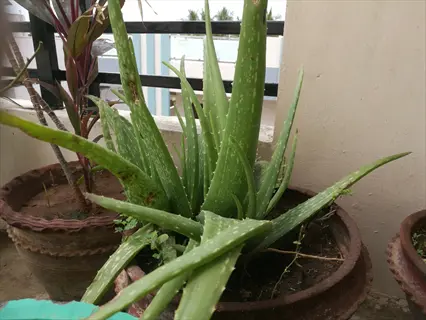
Aloe Vera (Aloe Barbadensis)
- Growth Size: Reaches 1 to 2 feet (30 to 61 centimeters) tall and 1 to 2.5 feet (30 to 76 centimeters) wide at full maturity after three to four years of steady growth.
- Light Needs: Prefers full sun with at least six hours of direct sunlight daily, though it tolerates bright indirect light near south or west-facing windows indoors.
- Best Use: The most most popular cultivated medicinal aloe, prized for the clear inner gel used in skincare products, burn treatment, and hydrating topical applications.
- Flower Details: Produces tubular orange to yellow blooms on spikes up to 3 feet (91 centimeters) tall, but only on mature plants that are three or more years old.
- Hardiness Range: Grows outdoors year-round in USDA zones 10a through 12b and must be brought indoors when temperatures drop below 55 degrees Fahrenheit (13 degrees Celsius).
- Pet Safety: Toxic to cats, dogs, and horses due to anthraquinone glycosides found in the latex layer between the outer skin and inner gel.
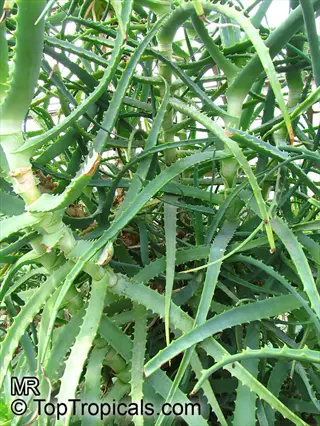
Torch Aloe (Aloe Arborescens)
- Growth Size: A large branching species that can reach 6 to 10 feet (1.8 to 3 meters) tall outdoors, forming dense shrub-like clusters over time in warm climates.
- Light Needs: Requires full sun for best growth and flowering, making it ideal for outdoor gardens in frost-free regions or large sunny patios during summer months.
- Best Use: Prized as ornamental with striking red-orange flower spikes in winter, making it a popular landscape plant in Mediterranean and subtropical garden designs.
- Cold Tolerance: More cold-hardy than Aloe vera, tolerating temperatures down to about 25 degrees Fahrenheit (negative 4 degrees Celsius) for brief periods once established.
- Growth Habit: Develops a woody trunk and multiple branching heads, creating a tree-like silhouette that stands apart from rosette-forming aloe varieties in mixed plantings.
- Medicinal Use: Contains similar gel compounds to Aloe vera and is used in traditional medicine across Southern Africa and parts of Japan for topical skin treatments.
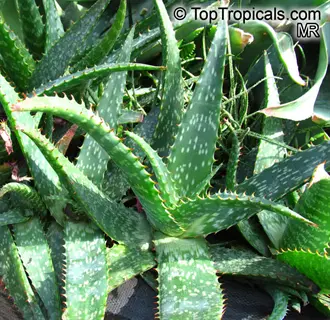
Soap Aloe (Aloe Maculata)
- Growth Size: A compact species reaching about 1.5 feet (46 centimeters) tall with wide rosettes that spread through offsets to create attractive ground-covering clusters in garden beds.
- Distinctive Look: Features flat, triangular leaves covered in white spots and blotches on both surfaces, giving it a distinct decorative appearance among aloe species.
- Light Needs: Adapts well to both full sun and partial shade, making it more versatile than many aloe species for various garden placements and indoor bright spots.
- Flower Details: Produces multi-branched flower stalks with coral-pink to orange blooms from late winter to spring, attracting hummingbirds and bees to the garden.
- Name Origin: Called soap aloe because the gel from its leaves creates a soapy lather when mixed with water, a property used traditionally for cleaning purposes.
- Cold Tolerance: Handles temperatures down to about 20 degrees Fahrenheit (negative 7 degrees Celsius), making it one of the hardiest aloe options for cooler climate gardens.
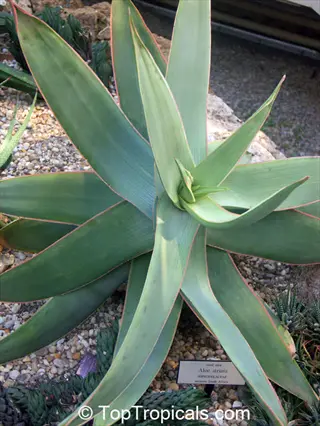
Coral Aloe (Aloe Striata)
- Growth Size: Forms a single large rosette reaching about 1.5 feet (46 centimeters) tall and 2 feet (61 centimeters) wide, with broad flat leaves that create an elegant silhouette.
- Distinctive Look: Recognized by smooth, toothless leaf margins edged in pink to coral color, unlike most aloe species that have small teeth or spines along their edges.
- Light Needs: Thrives in full sun to light shade and develops its best coral-pink leaf coloring when given plenty of direct sunlight throughout the growing season.
- Flower Details: Sends up branched coral-red flower spikes in early spring that can reach 3 feet (91 centimeters), providing vibrant color during the late winter garden lull.
- Drought Tolerance: Extreme drought-resistant even among aloe species, making it an excellent choice for xeriscaping projects and low-water garden designs in warm regions.
- Cold Tolerance: Survives temperatures down to about 20 degrees Fahrenheit (negative 7 degrees Celsius), offering more cold resilience than Aloe vera for borderline hardiness zones.
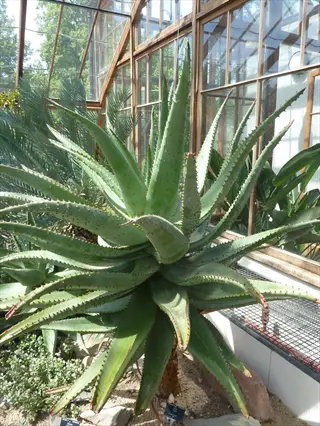
Cape Aloe (Aloe Ferox)
- Growth Size: A dramatic tall species reaching 6 to 10 feet (1.8 to 3 meters) in height with a single thick trunk topped by a dense rosette of spiny blue-green leaves.
- Distinctive Look: Features thick leaves with reddish-brown spines on both surfaces and along the margins, giving it a fierce appearance that earned its Latin name meaning wild.
- Light Needs: Requires full sun for healthy growth and is best suited for outdoor cultivation in warm climates or as a dramatic patio specimen during summer months only.
- Flower Details: Produces tall candelabra-like flower spikes with bright orange-red blooms that attract sunbirds and bees, creating a striking vertical accent in landscape designs.
- Commercial Use: Harvested in large volumes in South Africa for its bitter sap used in commercial laxative and skincare products, making it one of the most economically important aloe species.
- Growth Rate: Slow-growing compared to Aloe vera, taking many years to develop its characteristic trunk, but it rewards patience with an impressive architectural presence in gardens.
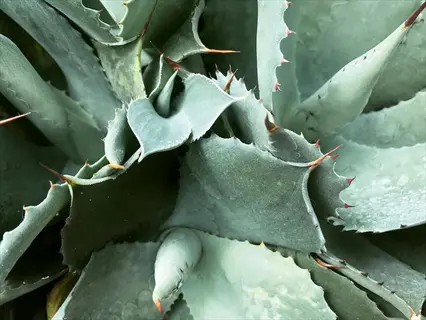
Lace Aloe (Aristaloe Lesliei)
- Growth Size: A small compact species reaching only 4 to 6 inches (10 to 15 centimeters) tall, making it perfect for windowsills, small pots, and desktop plant collections.
- Distinctive Look: Dark green leaves covered in raised white bumps called tubercles arranged in elegant patterns, with a thin white thread or bristle at each leaf tip.
- Light Needs: Prefers bright indirect light rather than intense direct sun, which sets it apart from most aloe relatives and makes it better suited for indoor growing conditions.
- Cold Tolerance: More cold-hardy than many aloe species, tolerating temperatures down to about 30 degrees Fahrenheit (negative 1 degree Celsius) for short periods once established.
- Watering Needs: Requires a bit more frequent watering than Aloe vera because of its smaller root system, but still needs well-draining soil to prevent root rot.
- Reclassification Note: Reclassified from Aloe aristata to Aristaloe lesliei by botanists, though it is still still sold and labeled as Lace Aloe in most garden centers.
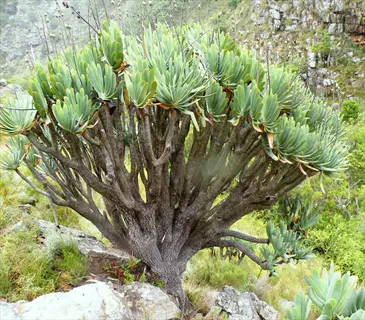
Fan Aloe (Kumara Plicatilis)
- Growth Size: A unique tree-forming species reaching 6 to 8 feet (1.8 to 2.4 meters) tall with forking branches that each end in a distinctive fan-shaped arrangement of leaves.
- Distinctive Look: Flat strap-shaped leaves arranged in two opposite rows create a fan pattern unlike any other aloe, making it an instant conversation piece in any collection.
- Light Needs: Prefers full sun to partial shade and grows best in Mediterranean-type climates with cool wet winters and warm dry summers that mirror its South African habitat.
- Flower Details: Produces red-orange tubular flowers on short spikes during late winter, providing nectar for sunbirds and hummingbirds during a time when few other plants bloom.
- Watering Needs: Unique among aloes because it prefers more water during winter growing season and less during summer dormancy, the reverse of most Aloe vera care schedules.
- Rarity Factor: Classified as vulnerable in its native habitat on rocky mountain slopes in South Africa, making cultivated specimens valuable for both conservation and ornamental purposes.
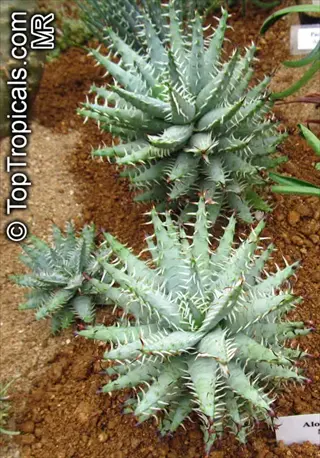
Hedgehog Aloe (Aloe Humilis)
- Growth Size: A dwarf clustering species reaching only 4 to 5 inches (10 to 13 centimeters) tall, forming tight mounds of spiny rosettes that spread over time to fill containers.
- Distinctive Look: Dense triangular leaves covered in soft white spines across the surface give it a hedgehog-like texture, adding tactile interest to succulent arrangements and dish gardens.
- Light Needs: Adapts well to full sun through partial shade and develops more compact growth with better spine coloring when given at least four hours of direct sunlight daily.
- Flower Details: Produces coral to scarlet tubular flowers on stems about 12 inches (30 centimeters) tall, an impressive display relative to its small body size during spring bloom.
- Propagation Ease: Produces offsets with ease around the base, making it one of the easiest aloe species to propagate by separating pups and potting them individually.
- Container Suitability: Its small size and clustering habit make it ideal for low bowls, mixed succulent arrangements, and rock gardens where larger aloe species would overwhelm the space.
Each of these aloe varieties brings something different to your home or garden. The compact types like Lace Aloe and Hedgehog Aloe fit great on desks and shelves. Tall growers like Torch Aloe and Cape Aloe make bold statements in outdoor spaces where they have room to spread out.
Aloe Plant Care Essentials
Good aloe vera plant care starts with one simple rule. Let the soil dry out before you water again. I've killed more aloe plants from overwatering than from any other mistake, and most growers make the same error. The soak and dry method works best for these succulents. You drench the well-draining soil, then wait 2 to 3 weeks before you water again.
Your aloe light requirements are simple too. Give your plant at least 6 hours of direct sun each day near a south or west facing window. NC State Extension confirms aloe is resistant to deer, drought, and salt, so it handles tough spots well. Keep temperatures between 55 and 80°F (13 to 27°C) and your plant will stay happy.
The best soil for aloe vera is a cactus mix with extra perlite added at a 2 to 1 ratio. This blend drains fast and stops root rot before it starts. Always use a terra cotta pot with a drainage hole because clay pulls extra moisture out of the soil. Plastic pots trap water and create the damp conditions that kill aloe roots. Aloe tolerates soil pH from acid below 6.0 to alkaline above 8.0, so your mix doesn't need to be perfect.
The table below gives you a quick look at every care factor for watering aloe vera and keeping your plant in top shape. Use this as your go-to reference when something looks off with your plant.
Seasonal Aloe Care Calendar
Most aloe vera seasonal care guides give you one set of rules for the whole year. That advice will get your plant in trouble because aloe needs change with each season. I learned this the hard way when I kept watering my first aloe on a fixed schedule through winter. The roots rotted within weeks once aloe vera dormancy kicked in.
The calendar below breaks your aloe vera winter care and warm season tasks into 4 clear blocks. You'll know when to adjust your winter watering schedule and when it's safe to start moving aloe outdoors. It also tells you when to watch for aloe bloom time on mature plants. Bookmark this section and come back to it as the seasons shift.
Spring Care (March to May)
- Watering Schedule: Increase watering to every two to three weeks as temperatures rise and daylight hours extend, always allowing soil to dry out between sessions.
- Fertilizing Window: Apply a half-strength balanced liquid fertilizer once in early spring to support new growth after winter dormancy, avoiding over-feeding that causes weak leggy stems.
- Outdoor Transition: Begin hardening off indoor aloe by placing it outside in partial shade for a few hours each day, increasing sun exposure over two weeks to prevent sunburn.
- Pest Inspection: Check leaf bases and undersides for mealybugs and scale insects that become active in warmer weather, treating early infestations with rubbing alcohol on cotton swabs.
Summer Care (June to August)
- Watering Schedule: Maintain regular watering every two to three weeks during active growth, adjusting if outdoor plants receive rainfall or intense heat above 90°F (32°C).
- Light Management: Provide at least six hours of direct sunlight each day for strongest growth and best leaf color, or use a grow light indoors if natural light falls below four hours.
- Pup Production: Watch for new offsets emerging at the base of mature plants, as summer is peak pup production season when the mother plant channels energy into reproducing.
- Bloom Watch: Mature outdoor plants three years or older may produce flower spikes with tubular orange to yellow blooms on stalks up to 3 feet (91 centimeters) tall during summer.
Fall Care (September to November)
- Watering Reduction: Begin cutting watering in half as temperatures cool and growth slows, shifting to about once every four to six weeks by late fall.
- Indoor Transition: Bring outdoor aloe plants inside before nighttime temperatures drop below 55°F (13°C) to prevent cold damage to the water-filled leaves.
- Stop Fertilizing: Discontinue all fertilizer by early fall since the plant enters dormancy and cannot absorb nutrients well, leading to salt buildup in soil.
- Repotting Window: Early fall is a good backup repotting time if spring was missed, giving roots several weeks to establish before the plant enters full winter dormancy.
Winter Care (December to February)
- Watering Schedule: Water once every four to six weeks, and only when the soil is bone dry at least 2 inches (5 centimeters) deep, as overwatering during dormancy causes root rot.
- Light Needs: Move plants to the brightest available window, a south-facing one works best, since shorter winter days reduce light exposure that aloe needs to maintain healthy leaf structure.
- Temperature Watch: Keep plants away from cold drafts near windows and doors, maintaining a minimum temperature of 55°F (13°C) at all times.
- Rest Period: Allow the plant to rest without fertilizer or repotting during winter dormancy, as this natural slow period helps aloe build energy reserves for spring growth.
Propagation and Repotting
Aloe propagation through pups is the easiest and most reliable way to grow new plants at home. I've seen too many people try to root leaf cuttings from their aloe and end up with a mushy mess. Aloe leaves don't root well from cuttings unlike many other succulents. Your best bet is dividing aloe vera by separating the aloe pups that sprout from the base of the mother plant.
NC State Extension notes that aloe grows at a medium rate and reaches 1 to 2 feet tall at maturity. You'll need to think about repotting aloe vera every 2 to 3 years as it outgrows its pot. The aloe vera offsets that pop up around the base give you free new plants if you follow the steps below.
Identify Ready Pups
- Size Check: Wait until pups reach at least 3 to 4 inches (8 to 10 centimeters) tall with several leaves of their own before separating them from the mother plant.
- Root Development: Brush away soil at the pup base to check for small white roots, which show the offset is ready to survive on its own after separation.
- Timing: Spring and early summer are the best times to separate pups when the plant grows fast and can recover from the minor root disturbance involved.
Separate From Mother Plant
- Removal Method: Unpot the entire mother plant and pull the pup away at its natural connection point, or use a clean sharp knife to cut the connecting root if needed.
- Root Preservation: Keep as many roots attached to the pup as possible during separation, since existing roots give the offset a big head start over rootless divisions.
- Wound Care: Allow both the pup and mother plant to air dry for 24 to 48 hours before replanting, letting the cut surfaces form a dry callus that prevents bacterial infection.
Plant the New Offset
- Pot Selection: Choose a small terra cotta pot with drainage holes that is only a bit larger than the pup root system, as oversized pots hold excess moisture and promote rot.
- Soil Mix: Fill with well-draining cactus potting mix amended with extra perlite or pumice at a ratio of about two parts cactus mix to one part perlite for fast drainage.
- Planting Depth: Set the pup at the same depth it grew at on the mother plant, pressing soil around the base without packing it too tight around tender roots.
Aftercare for New Plants
- First Watering: Wait 5 to 7 days after planting before the first watering to allow any root damage to heal, then water and let the soil dry out before watering again.
- Light Adjustment: Place new pups in bright indirect light for the first two weeks, then move them into direct sunlight step by step to avoid stressing the young plant.
- Growth Timeline: Expect new root growth within 2 to 4 weeks and visible new leaf growth within 1 to 2 months when conditions are warm and bright.
Science-Backed Aloe Uses
Most sites list aloe vera benefits without linking to a single study. That's a problem because some claims hold up under research and others don't. I spent weeks reading NIH data and clinical trials to find which aloe vera medicinal uses have real proof.
The aloe vera gel inside your plant holds over 75 bioactive compounds per a 2020 Molecules review. These include vitamins A, C, E, and B12 plus minerals like zinc, copper, selenium, and calcium. Harvesting aloe vera gel at home gives you access to these compounds. You can use them on minor skin issues right away.
For aloe for burns, the evidence is solid. Multiple studies show that topical aloe vera gel may speed healing and reduce pain from minor burns. A trial with 80 patients found that aloe gel applied twice a day prevented pressure ulcers. Mouthwash studies with 300 and 390 participants showed aloe worked as well as chlorhexidine for gum health. The table below rates each use by how strong the research is right now.
Keep in mind that most of this research used whole aloe vera gel rather than single compounds. The science looks promising for topical skin uses but oral claims still need more clinical trials to back them up.
Aloe Safety and Toxicity
Aloe vera toxicity is a topic that most plant guides skip or gloss over. The truth is that different parts of the aloe plant carry very different risk levels. The clear inner gel, the yellow latex layer, and the whole leaf each have their own safety profile. You need to know the gaps between them to protect yourself and your family.
The aloe latex dangers are real and backed by serious research. The FDA banned aloe latex from all over the counter laxatives in 2002 due to safety concerns. NTP studies found that rats given 60 ppm of aloin each day developed intestinal tumors. The anthraquinone glycoside compounds in the latex drive these risks. NIEHS stated that nothing would lead them to believe this finding wouldn't apply to humans too.
Is aloe vera toxic to cats? Yes. NC State Extension lists aloe as toxic to cats, dogs, and horses. Aloe vera pet safety means keeping your plants on high shelves or in rooms your animals can't reach. Aloe vera pregnancy safety is a concern too. NCCIH warns against oral aloe during pregnancy. The list below breaks down each use type so you know what's safe and what's not.
Topical Gel (Safe for Most People)
- Safety Profile: Topical use of aloe vera gel is well tolerated per NIH NCCIH, with rare cases of contact irritation reported from the latex, not the gel itself.
- Burn Treatment: Multiple studies support that topical aloe gel may speed healing of minor burns and reduce pain, making it a good first-aid option for minor skin injuries.
- Skin Cancer Risk: NTP studies found no strong link between topical aloe gel use, sunlight exposure, and increased skin cancer risk, which gives reassurance for regular topical use.
Oral Gel Short-Term (Use Caution)
- Time Limit: Short-term oral use of aloe vera gel for up to 42 days appears safe per NCCIH, but long-term safety data for oral gel use remains limited at this time.
- Product Variation: Liquid aloe products tend to contain less than 1 part per million of aloin, while solid and semi-solid products may contain 10 to 100 times more aloin per serving.
- No Labeling Rules: The FDA does not require makers to list aloin content on product labels, making it hard for you to know your actual exposure level with any given product.
Oral Latex (Serious Risks)
- FDA Action: The FDA required removal of aloe latex from all over the counter laxatives in 2002 due to insufficient safety data and potential for serious side effects.
- Cancer Classification: The IARC classified non-decolorized whole leaf extract of aloe vera as a possible carcinogen in humans based on the results of animal studies.
- Liver Damage: Oral aloe leaf extract use has been linked to cases of acute hepatitis, with onset reported after as little as 3 weeks to as long as 5 years of regular use.
Pet and Child Safety
- Toxic to Animals: Aloe vera is toxic to cats, dogs, and horses due to anthraquinone glycosides, causing vomiting, diarrhea, and fatigue if leaves are chewed or eaten by pets.
- Placement Advice: Keep aloe plants on high shelves, in hanging planters, or in rooms that pets and young children cannot access since the thick leaves look tempting to chew.
- Pregnancy Warning: NCCIH advises that oral aloe may be unsafe during pregnancy and breastfeeding, so pregnant people should avoid consuming any aloe products by mouth.
5 Common Myths
Aloe vera plants need to be watered frequently like most houseplants to stay healthy and produce gel.
Aloe vera stores water in its thick leaves and prefers soil to dry out completely between waterings, roughly every two to three weeks.
All parts of the aloe vera plant are safe to eat and provide the same health benefits.
Only the inner gel is considered generally safe for short-term oral use. The outer latex layer contains aloin, which the FDA banned from over-the-counter laxatives due to safety concerns.
Aloe vera cannot survive in direct sunlight and will burn if placed near a sunny window.
Aloe vera naturally grows in full sun and needs at least six hours of direct light daily. Sudden exposure without gradual hardening off causes sunburn, not the light itself.
You can grow new aloe plants by placing a cut leaf in soil, just like other succulents.
Aloe vera leaves do not root reliably from cuttings. The best propagation method is separating pups or offsets that grow from the base of the mother plant.
Aloe vera is completely safe to keep around pets since it is a common household plant.
Aloe vera is toxic to cats, dogs, and horses according to NC State Extension. The anthraquinone glycosides in the plant cause vomiting and diarrhea if ingested by animals.
Conclusion
Growing aloe starts with a few key habits that make all the difference. Use the soak and dry method every 2 to 3 weeks with well-draining soil in a terra cotta pot. That alone will solve most aloe vera care problems. I've watched dozens of plants thrive once their owners made just those 2 changes.
The aloe plant family offers far more than just the vera species most people know. With over 650 aloe varieties in the genus, you have options for tiny desk plants and tall outdoor showpieces alike. Each species brings its own look and succulent care needs. Try branching out beyond vera once you've got your first plant growing strong.
Keep the safety points from this guide in mind as you enjoy your aloe. Topical gel is safe for most people per NIH research. But oral aloe latex carries real health risks that most growing aloe guides don't mention. Keep your plants away from pets and small children since the latex layer is toxic to cats, dogs, and horses.
Use the seasonal care calendar above as your year-round reference for this plant. Come back to it when the seasons shift to adjust your watering and light setup. This guide was built to grow with you as your aloe collection gets bigger over time.
External Sources
Frequently Asked Questions
How do you take care of an aloe plant?
Provide bright indirect to direct light, water every two to three weeks when soil is fully dry, use well-draining cactus soil mix, and keep temperatures between 55 and 80 degrees Fahrenheit (13 to 27 degrees Celsius).
What is aloe vera good for?
Aloe vera gel is used topically for minor burns, sunburn relief, and skin hydration. Research from NIH shows it may speed burn healing and reduce pain.
Does aloe vera need shade or sun?
Aloe vera prefers bright direct sunlight for at least six hours daily. It tolerates partial shade but may become leggy without enough light.
Where is the best place for an aloe vera plant?
Place aloe near a south or west-facing window indoors. Outdoors, choose a spot with full sun and protection from frost.
What are the benefits of aloe vera?
Key benefits include:
- Soothes minor burns and sunburn
- Hydrates and moisturizes skin
- May help reduce acne when combined with treatments
- Contains 75 or more bioactive compounds including vitamins and minerals
- Supports oral health as a mouthwash alternative
Can I apply aloe vera on my face daily?
Topical aloe vera gel is generally well tolerated for daily facial use. Patch test first and avoid products containing aloe latex, which can irritate skin.
Can you grow aloe indoors?
Aloe grows well indoors near bright windows. Use a terra cotta pot with drainage holes and cactus potting mix for best results.
What are the side effects of aloe?
Topical gel rarely causes issues, but oral aloe latex can cause cramping, diarrhea, and liver damage. The FDA removed aloe latex from over-the-counter laxatives in 2002.
How many days does it take to grow aloe vera?
Aloe vera grows at a medium rate and reaches mature size of 1 to 2 feet (30 to 61 centimeters) in about three to four years. Pups appear within one to two years.
Where not to put Aloe vera?
Avoid placing aloe in dark rooms, cold drafts below 55 degrees Fahrenheit (13 degrees Celsius), or areas accessible to pets and small children due to toxicity.