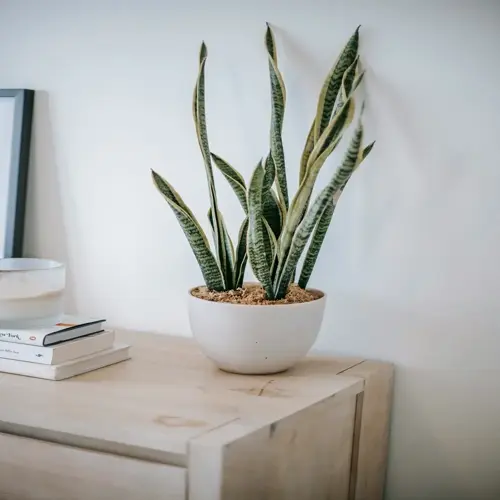

The best place for an aloe vera plant is right on a south-facing windowsill where it gets at least 6 hours of direct sunlight each day. A west-facing window works well too if south isn't an option. Your aloe needs bright direct light more than anything else to stay compact and produce thick healthy leaves.
Figuring out where to put aloe vera plant in your home takes a bit of testing. I ran my own experiment by placing three same-size pups in different windows around my house. The south window plant grew twice as thick as the east window plant over four months. The east window aloe stretched toward the glass and never filled out the way the south one did. That test showed me just how much window choice matters for these plants.
Temperature plays a bigger role in aloe vera indoor placement than most people think. Your aloe does best between 55-80°F (13-27°C) at all times. Keep the pot away from cold drafts that seep through windows during winter months. Radiators create pockets of dry heat that stress the leaves. Air conditioning vents cause temperature swings that your aloe won't enjoy either. Pick a spot with steady warmth and no surprise blasts of hot or cold air.
If you live in USDA zones 10a through 12b, you can grow aloe outdoors year round. The rest of us need to keep our plants inside or bring them in when temps drop below 55°F (13°C). Frost will damage the water-filled leaves fast. Even one cold night can turn a healthy plant into mush at the base. I lost a big outdoor aloe to an early frost a few years back and it was gone by morning.
Kitchen Windowsill
- Why it works: Most kitchens have a south or west-facing window that gets plenty of direct sun for your aloe to thrive all year.
- Bonus perk: You get instant access to fresh gel for minor burns and cuts while you cook, which makes the kitchen the most practical spot.
- Watch out for: Keep the pot away from the stove and sink splash zone since excess moisture and heat spikes can stress your plant out.
Living Room South Window
- Why it works: Living rooms with south exposure give your aloe the longest stretch of direct sunlight during the day for strong growth.
- Bonus perk: A healthy aloe adds a nice pop of green to your space and starts producing pups you can share with friends and family.
- Watch out for: Make sure the spot isn't right next to a heating vent or radiator that dries out the air around your plant too fast.
Bathroom With Window
- Why it works: Some bathrooms have bright windows that let in enough sun for an aloe, and the plant adds a fresh look to the room.
- Bonus perk: Having aloe gel close to your mirror makes it easy to use as a quick skin treatment after washing your face each day.
- Watch out for: High humidity from showers can promote root rot, so only place aloe here if the room has good air flow and a bright window.
Bedroom North Window
- Why it works: It doesn't. North-facing windows give too little light for healthy aloe growth, and your plant will stretch and weaken fast.
- Better option: If your bedroom only has north windows, skip the aloe and pick a low-light plant like pothos or snake plant instead.
- Exception: A full spectrum grow light running 12-14 hours daily can make up for poor natural light if you want aloe in this room.
The aloe vera window direction you choose sets the foundation for everything else. South beats west, west beats east, and east beats north every time. When I moved my struggling aloe from an east bedroom to a south kitchen window, the change was huge. It went from droopy and pale to thick and green in under six weeks.
Put your aloe where the light is strong and the temperature stays steady. Don't let looks or room decor drive your placement decision over the plant's actual needs. A kitchen windowsill with full sun will always beat a pretty shelf in a dim corner. Your aloe will show you it's happy with thick leaves and plenty of new baby plants growing around its base.
Read the full article: Aloe Plant Care and Growing Guide