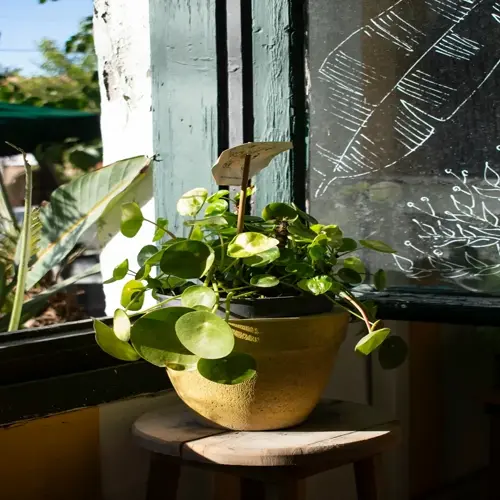

The top plants not to keep in bedroom spaces fall into three groups. Strong-smelling flowers mess with your sleep. Toxic species pose risks near kids and pets. Pollen-heavy plants trigger allergies at night. Your bedroom should help you rest, and the wrong plant works against that goal.
I learned this the hard way with a blooming jasmine on my nightstand two years ago. The scent was great during the day. But at night with windows closed, it got way too strong. I woke up with headaches three mornings in a row before I moved it to the living room. A scentless pothos on the same spot fixed things right away. That taught me bedroom plant safety matters more than looks.
You may have heard that plants steal your oxygen while you sleep. That myth won't die. Yes, all plants use a bit of oxygen at night through normal breathing. But the amount is so tiny you'd need hundreds of plants in a sealed room to feel any change. The real threats are pollen from flowers, strong scents that mess with sleep cycles, and toxic leaves that curious toddlers or pets might chew on.
Oleander (Nerium Oleander)
- Toxin level: Every part of this plant is poisonous and can cause serious heart symptoms in both humans and animals even in small doses.
- Risk factor: Kids drawn to the bright flowers face the highest danger since chewing one leaf can need emergency treatment fast.
- Swap option: Try a peace lily for flowers instead, which is far less toxic and grows well in the same low-light bedroom setup.
Euphorbia Species
- Sap danger: Broken stems release thick white sap that burns skin, stings eyes, and raises blisters within minutes of contact.
- Night risk: Bumping the plant in the dark while reaching for water can release sap and hurt you before you even know what happened.
- Swap option: A snake plant has the same upright look with no harmful sap and makes oxygen at night instead of just using it.
Large Ficus Trees
- Allergy trigger: Ficus leaves shed tiny latex bits that rank among the top indoor allergens per allergy research data.
- Symptom pattern: Runny nose, itchy eyes, and stuffiness that you blame on seasons may come from the ficus near your pillow.
- Swap option: A spider plant cleans air without sending out allergens and grows baby plants you can share with friends.
Fragrant Flowers (Jasmine, Gardenia)
- Sleep trouble: Strong flower scents in a closed bedroom cause headaches and restless sleep over many nights in a row.
- Hidden cause: Many people don't realize the plant is the problem until they remove it and sleep gets better in days.
- Swap option: Pilea or pothos give you green bedroom beauty with zero scent to mess with your rest cycle at all.
Vastu Shastra says keep spiky plants like cacti out of your bedroom too. Sharp points are thought to create restless energy that fights against peaceful sleep. From a practical view, a spiky cactus on your nightstand where you reach in the dark is asking for a painful surprise at 3 AM on a work night.
The plants to avoid in bedroom spaces all share one thing. They get in the way of good rest through scent, toxins, allergens, or sharp edges. Swap them for safe picks like snake plants, spider plants, or Pilea. You can still fill your bedroom with green life as long as you pick species that help you sleep rather than fight against it.
Read the full article: Money Plant: Care, Types, and Benefits