
The answer to why money plant is called money plant comes from old Feng Shui and Vastu Shastra traditions. Both systems tie this plant to wealth and good luck. The name has nothing to do with science or botany. It grew out of centuries of belief that keeping this vine at home pulls in money.
My neighbor gave me a money plant cutting when I moved into my first apartment. She grew up in India and snipped a piece from her own vine as a gift. Her family shared cuttings with every new homeowner on their street. The tradition says a gifted money plant brings more luck than one you buy yourself. That cutting still grows in my living room three years later.
I've since passed along my own cuttings to two friends who moved into new places. The act of sharing felt more special than just buying them a plant from a store. Both friends told me their cuttings rooted in water within two weeks and started growing fast. If you get a cutting from someone, drop it in a glass of clean water near a bright window. You should see roots within 10 to 14 days and can pot it up once the roots reach about two inches long.
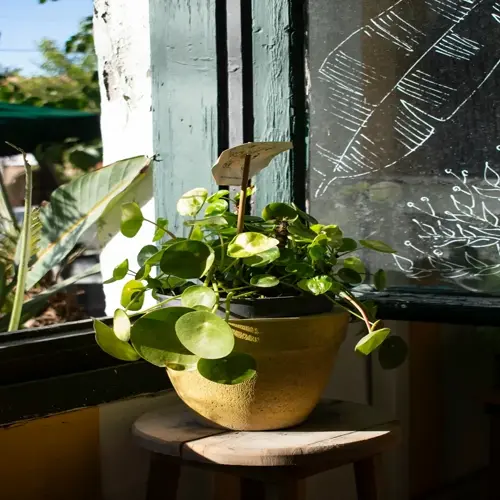
The money plant name origin depends on which species you own. At least three different plants share this title across cultures. The Pilea has round flat leaves that look like green coins on a stem. Golden pothos has heart-shaped leaves that Asian cultures tie to holding wealth. The Pachira aquatica has five-lobed leaves. Each lobe stands for one of the five Feng Shui elements. You might own any one of these three and call it your money plant.
The money plant Feng Shui meaning goes deeper than just leaf shape. Chinese tradition says green plants create positive chi energy in your home. This energy flows through your rooms and draws in abundance. You place the plant in the southeast corner to turn on the wealth sector. Vastu Shastra teaches the same rule. This Indian system also links the southeast to money growth. If you want to try this yourself, just move your plant to the southeast spot and see how it feels in your space.
Each Pachira stem holds five leaves that match the five elements: earth, water, fire, wind, and metal. When all five show up in balance, they create harmony. A stem with seven leaves is rare and counts as extra lucky. This meaning turned the Pachira into a top gift plant in East Asia. New shop owners often get one on opening day to start off with good fortune.
Before you follow any placement rules, figure out which money plant you have. A Pilea has round coin-like leaves on upright stems. A pothos trails heart-shaped leaves on long vines. A Pachira has a braided trunk with hand-shaped leaf groups. Each species carries its own cultural weight. Knowing yours helps you apply the right traditions and get the most meaning from your plant at home.
Read the full article: Money Plant: Care, Types, and Benefits