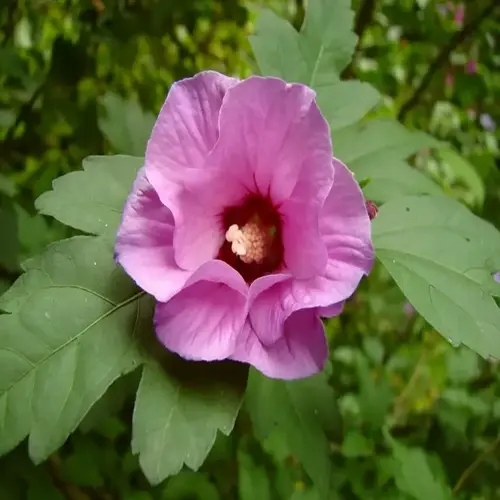

Yes, wisteria is wisteria toxic to dogs in a real way. Every part of this plant holds lectin and wisterin that make your dog sick when eaten. The seeds and pods carry the most of these toxins. Even a small bite can send your dog to the vet for treatment.
In my experience, this is more common than you'd think. I saw it happen with my neighbor's Lab last summer. The dog found fallen seed pods under their wisteria and chewed up three of them. Within two hours, he started drooling and then vomited twice. His belly was sore to the touch and he had bad diarrhea by that evening. The vet gave him fluids and anti-nausea meds. He bounced back in about a day, but it scared the whole family.
Two compounds do the harm inside your dog's body. Lectin messes with cell function in the gut lining. This triggers the vomiting and nausea you see first. Wisterin makes the stomach and gut lining sore. This leads to the pain and diarrhea you see next. NC State Extension rates the danger as low severity. Most dogs recover within a day with the right care from your vet.
Your dog isn't the only pet at risk here. NC State Extension Plant Toolbox lists dogs, cats, and horses as species that get sick from eating wisteria. The fact that wisteria is wisteria poisonous pets means you need to watch all your animals around this vine. Cats rarely chew on pods, but horses grazing near fallen debris face real danger. The wisteria toxicity symptoms look the same across all three. You'll see nausea, vomiting, belly pain, and diarrhea.
Clean Up Fallen Pods
- When to check: Sweep under your vine each day in late summer and fall when dry pods drop to the ground in large numbers.
- Why it matters: Pods hold the highest amount of toxins compared to leaves and flowers, making them the biggest threat to your pets.
- How to dispose: Bag and trash the pods rather than putting them in your compost pile where pets can dig them out.
Block Access to the Vine
- Fence it off: Put a small garden fence around the base of your wisteria to keep dogs from reaching fallen pods and low stems.
- Train your dog: Teach a strong leave-it command and practice it near the vine so your dog learns to stay away from the plant.
- Use height: Growing wisteria on a tall arbor keeps the vine above pet reach and cuts down on ground-level debris.
Act Fast After Ingestion
- Call your vet: Contact them right away or call ASPCA Poison Control at 888-426-4435 if you think your pet ate any part of the vine.
- Watch for signs: Drooling, vomiting, and belly pain within 2 to 4 hours of eating are the most common early warnings.
- Bring a sample: Take a piece of what your pet ate to the vet so they can confirm the plant and pick the right treatment.
Fatal cases from wisteria are very rare in dogs. Most end with a rough day of vomiting and some belly discomfort. But you still want to prevent it from happening at all. Pick up fallen pods, keep your dog away from the base of the vine, and you can enjoy your wisteria blooms without putting your pets at risk.
Read the full article: Wisteria Plant Care and Growing Guide