Houseplant · Asparagaceae
African Spear
Dracaena angolensis
Bright light and a dry pot between waterings are nearly all this easygoing spear ever asks for.
Bright indirect
Every 14–30 days
USDA 10–11
2–7 ft · 0.6–2.1 m
Overview
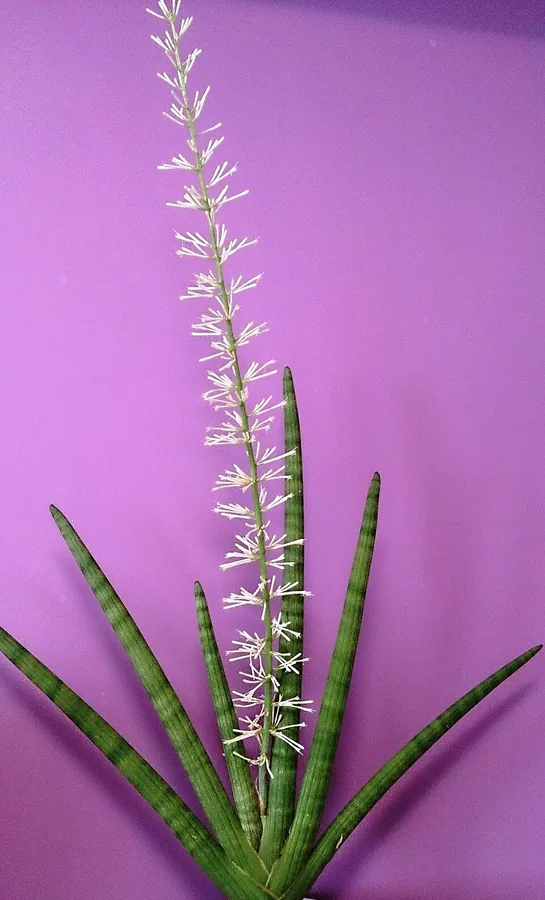
If a houseplant has ever gotten the better of you, the African spear is a lovely place to start again. It is a snake plant with a twist, growing stiff, rounded spears that stand straight up instead of flat blades. Its home is the dry country of southern tropical Africa, so it is built to shrug off a missed watering. Botanists now list it as Dracaena angolensis, though plenty of growers still know it by the older name Sansevieria cylindrica.
The charm is really in that shape. Each leaf tapers to a smooth, rounded point, and the spears spread from the base into a neat little fan. Some growers braid the young leaves together, and you may also meet the short, chunky 'Boncel' form at the garden center, but underneath the styling it is the same patient, slow plant. Whichever one you bring home, you are getting something genuinely hard to get wrong.
Here is the reassuring part: this plant minds too much attention far more than too little. Set it in bright light, let the soil go properly dry between waterings, and it will keep its handsome shape for years. The one real slip is being generous with the watering can, since a heavy, soggy mix will rot the base from the inside. Ease off, and it forgives nearly everything else.
Care
The short version: keep it somewhere with plenty of soft, bright light, pot it in a fast-draining gritty blend, and hold off on watering until the soil feels bone dry, which usually means about every two weeks in summer and monthly through winter.
Light
It is happiest in bright indirect light, but it will put up with almost any spot, from a sunny sill to a shadowy corner. In dim light it simply grows even more slowly, which is no cause for concern. Just ease it toward strong afternoon sun a little at a time, or the spears can scorch.
Water
The kindest thing you can do is wait. Let the soil dry out all the way through, then water generously and let the excess drain. That tends to mean a drink every couple of weeks in the summer, easing back to about once a month when winter comes. When in doubt, wait a few more days, since dryness suits it far better than a wet pot.
Soil
Pot it in a fast-draining cactus or succulent mix so water slips right through rather than lingering. That quick drainage is what protects the roots and base from sitting damp, which is the single thing this otherwise tough plant cannot shrug off.
Humidity
Ordinary room air is all it wants, and dry air bothers it not at all. There is no misting or pebble tray to fuss over here, which is a big part of why it makes such a relaxed companion.
Feeding
Feeding is almost an afterthought. A light monthly helping of all-purpose fertilizer at half strength across spring and summer is all it asks, and you can set the bottle aside completely through winter.
Pruning
There is very little to do here. Pruning stays minimal, so simply snip off any leaf that has been damaged or has begun to rot near the base, and let the rest of the clump carry on.
Repotting
This one grows slowly and actually likes being a bit snug, so you only need to repot every 3 to 5 years, or once roots and rhizomes start pressing at the pot or bulging its sides. When that day comes, step up by just a single pot size.
Size & spacing
Given years, it climbs to 2 to 7 feet (60 to 210 cm) tall indoors, with a clump fanning out 6 to 24 inches (15 to 60 cm) across. A heavy pot is a friendly idea, since those upright spears can leave a tall plant a little tippy.
Troubleshooting
Try not to worry if something looks off. Almost anything that goes wrong here comes down to watering, light, or a chill, and each one is easy to catch early. Keep a gentle eye on the spears and the base of the plant, since that is where the first hints show up. Find your plant's symptom below, make the small change it needs, and it will very likely bounce back.
A soft, squishy base with a sour smell rising from the pot
Do not panic, but this is root rot, and it nearly always follows too much water in a mix that stays wet. Gently tip the plant out, trim every blackened or mushy root back to firm, healthy tissue, and resettle it in fresh, gritty soil. Then simply leave it dry for a while and give it the time it needs to steady itself.
Fix:
- Unpot and cut away rotted roots
- Repot in dry well-draining mix
- Withhold water until recovered
Spears going yellow, soft, and a little floppy
When the spears turn yellow and lose their firmness, the plant is usually taking in more water than it can handle, a classic sign of overwatering or soil that stays soggy. Set the watering can down and let the mix dry out fully before the next drink. If it keeps returning, a grittier blend or a better-draining pot will put things right.
Fix:
- Stop watering
- Let soil dry fully
- Improve drainage
Soft, discolored spears turning up after a cold snap
This is cold damage, which sets in once the plant sits below 55°F (13°C) or meets a frost, since it is a tender tropical that only overwinters outdoors in zones 10 and 11. Move it somewhere warm and gently trim off the spoiled tissue. Whenever the temperature threatens to slip that low, bring it inside and it will be fine.
Fix:
- Move indoors
- Remove damaged tissue
Sticky film, cottony white tufts, or fine speckling on the spears
Sticky patches and little cottony tufts usually mean mealybugs or scale, while fine speckling and faint webbing point to thrips or spider mites settling in. Wipe the spears down with a damp cloth, follow with a little insecticidal soap, and keep the plant apart from its neighbors until it is clean again. A friendly once-over every so often catches these visitors long before they get comfortable.
Fix:
- Wipe leaves with damp cloth
- Treat with insecticidal soap
- Isolate affected plant
Bleached or brown patches showing on the sun-facing side
Those pale, scorched marks are sunburn, usually from fierce afternoon sun or a sudden move out of the shade into full glare. Give it morning sun only, and when you want it in brighter light, walk it there over a week or two rather than all at once. The old marks will not mend, but take heart, since the fresh growth comes in clean.
Fix:
- Move to morning sun only
- Acclimate gradually to brighter light
Toxicity
The leaves contain saponins, a natural substance that makes this a plant to keep out of a curious pet's reach. A cat or dog that chews on it will usually drool and get a queasy, upset stomach for a while. People are essentially fine near it, though nothing on the plant is meant to be eaten, so it is worth setting it somewhere small children cannot help themselves.
Toxic to
Cats · Dogs · Horses · Rabbits · Livestock · Birds · People
Cats Mild
Because the leaves hold saponins, a cat that gnaws on a spear will most likely drool and be sick for a bit. A bigger mouthful can widen its pupils and leave it wobbly, so it is best kept up out of paw's reach.
Dogs Mild
A dog that chews a spear can expect some drooling, vomiting, and a bout of diarrhea. The good news is that it usually stays mild and settles down once the plant is moved somewhere safe.
Horses Caution
Those same saponins can leave a horse with an unhappy stomach, so it is worth keeping the plant well away from any that might fancy a taste.
Rabbits Caution
Rabbits are no better suited to the spears than cats or dogs are, since the saponins do not agree with them either. Keep it somewhere well beyond hopping range.
Livestock Caution
Grazing animals can react to the saponins with drooling and a queasy gut, so fence the plant off wherever stock have the run of things.
Birds Caution
An inquisitive bird that pecks at the leaves could swallow the same irritating saponins, so it is kindest to keep it out of reach.
People Caution
People get along with it just fine, though nothing on the plant is meant to be eaten. A child who nibbles a leaf might drool or feel a little queasy, so keep it somewhere small hands cannot reach.
Helpline numbers

United States
ASPCA Animal Poison Control: (888) 426-4435 (fee applies)
Poison Control: (800) 222-1222



Canada
Poison Centres: 1-844-764-7669
Varieties
You will not have to memorize a long list here. There are really just two forms worth telling apart when you are browsing the shelves.
'Boncel' (starfish sansevieria)
This is a compact, dwarf form whose short, plump spears splay out low from the base, so the whole plant looks a bit like a starfish resting on the soil.
Braided form
Here a grower has gently plaited several young leaf cuttings together while they were still soft, and the spears carry on growing as one braided column.
How to propagate
Making more of these is genuinely easy, and it is hard to go wrong. Dividing the plant is the fastest and most beginner-friendly route, well ahead of waiting on cuttings or seed.
DivisionEasy
Spring or summer, during repotting · Several weeks
The easiest way to end up with more plants is to split a clump the next time you repot in spring or summer. Ease the offsets apart at the rhizome, leaving some roots on each piece, and pot them up on their own. Give them a few weeks to settle, and each one will grow up just like its parent.
Leaf cuttingsModerate
Spring or summer · Several weeks to months
You can also root pieces of leaf taken in spring or summer, though this route asks for a bit more patience. Stand the cuttings upright in a gritty mix and wait anywhere from a few weeks to a few months for roots to appear. This is the method growers reach for when they want several cuttings to braid together later.
SeedDemanding
Spring or summer · Months
Seed is the slow, long way around and rarely worth the trouble indoors, where the plant almost never blooms. Sow fresh seed in spring or summer and be ready to wait months for the first sign of life. Most growers happily skip it in favor of division or cuttings.
Myths
The starfish 'Boncel' must be a species of its own.
Not so. 'Boncel' is only a cultivar of Dracaena angolensis, the very same plant wearing a stubbier shape. It is not a separate species, however unlike that low fan of short spears may look beside the tall form.
A braided plant twists itself into that shape naturally.
The braid is really the grower's doing rather than nature's. Young leaf cuttings are woven together by hand while they are still supple, and from there the plant simply holds the shape as it grows up.
Snake plants can go forever without any water.
They are wonderfully patient between drinks, but forever is a stretch too far. Plan on water roughly every two weeks in summer and about once a month in winter, always waiting until the soil is dry before you pour.