Houseplant · Asparagaceae
Madagascar Dragon Tree
Dracaena reflexa var. angustifolia
Set it in bright indirect light and give it fluoride-free water, and this forgiving tree will look after itself.
Bright indirect
60–70°F · 16–21°C
USDA 10–12
6–20 ft · 1.8–6.1 m
Overview
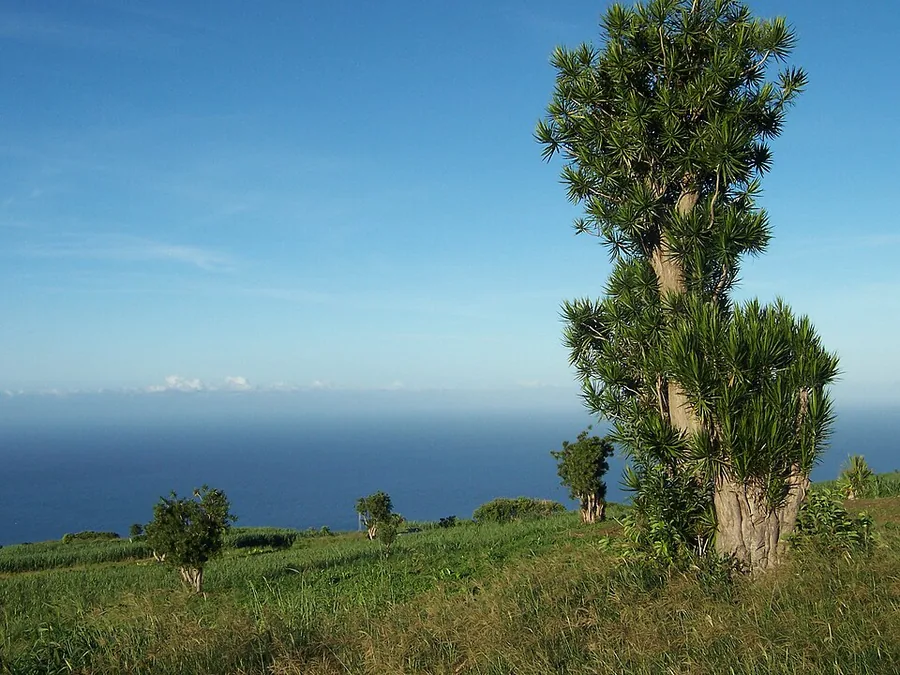
If you are new to houseplants and a touch nervous, the Madagascar dragon tree is a kind place to start, because it forgives so much. It sends up slim canes crowned with arching, sword-shaped leaves trimmed in red, and once it has settled in it asks for almost nothing in return. It comes from Madagascar and the islands nearby, and indoors it grows slowly into a graceful, tree-like shape that brightens a sunny corner without ever taking over the room.
So much of what makes this plant easy is how patient it is with a busy life. Bright indirect light is its happy place, yet it copes with medium light and even a dimmer nook, and because it grows so slowly you will rarely need to repot or fuss. The one thing it would rather you skip is the fluoride in ordinary tap water, which can brown the leaf tips, so a jug of distilled water or rainwater keeps it looking its very best, and a small slip there is easy to recover from.
There are several named kinds to choose from, from leaves striped in three soft colors to canes blushed a deep red, so you can find one that feels right for your space. Whichever you bring home, the same gentle, easygoing plant is waiting underneath all that color.
Care
The short version: give it bright indirect light, water with distilled water or rainwater once the surface feels dry, keep it cozy at 60°F to 70°F (16°C to 21°C), and feed it lightly through spring and summer.
Light
Your dragon tree is happiest in bright indirect light, but it is far more forgiving than most, so do not stress about finding the perfect window. It takes medium light, low light, and partial shade in its stride, and a brighter spot simply keeps the leaf color rich and stops the stems from reaching.
Water
Wait until the top of the soil feels dry, then water well and pour off whatever gathers in the saucer so the roots never sit wet. Keep it evenly moist through spring and summer, then ease back from fall into late winter. Reach for distilled water or rainwater whenever you can, since the fluoride in tap water can scorch the tips, and warm water is kinder than cold.
Soil
It will be content in a loamy, peaty, well-drained mix full of organic matter. A gently acidic pH of 6.0 to 6.5 suits it nicely and, as a happy bonus, helps keep fluoride from gathering around the roots.
Temperature
Keep it warm and settled at 60°F to 70°F (16°C to 21°C), with nights running a little cooler, and it will be content. Cold drafts are the one thing it really dislikes, and a sudden chill can make it shed leaves, so a steady spot keeps it calm.
Humidity
Ordinary room air is plenty, and it manages happily down to about 30% humidity. A little extra moisture is a kind touch in dry, heated rooms, and it makes spider mites far less likely to settle in.
Feeding
A light feed once a month through spring and summer with a liquid houseplant fertilizer is all it wants, and you can rest it through the cooler months. Keep portions small, and steer clear of anything with superphosphate, since the fluoride it carries can burn the leaves.
Pruning
There is no need to be timid with the shears, because this plant takes pruning beautifully, so trim a cane back whenever it grows too tall and it will resprout below the cut. The lowest leaves let go on their own as the canes age, leaving the pretty diamond-shaped scars that give the bare stems their charm.
Repotting
Being a slow grower, it only needs a fresh pot every 2 to 3 years, or sooner if roots start circling, poking out the drainage holes, or water rushes straight through. Otherwise it is perfectly content left snug where it is, so you can relax.
Size & spacing
Indoors it usually settles around 6 feet, though given free rein it can stretch to 6 to 20 feet (1.8 to 6 m) tall and spread 3 to 10 feet (91 cm to 3 m) wide, so leave a grown plant a little elbow room for its arching crown.
Troubleshooting
If something feels off, the leaves usually tell you first, and the cause is nearly always the water or the air nearby. There is no need to worry, because most of these troubles are gentle ones you can turn around. Find the picture that matches yours below, take the small step it suggests, and the plant will reward your patience.
Soft, mushy stems and a plant that seems to be slipping
Soggy soil paired with browning leaves and a soft base usually points to root rot, which creeps in when the roots stay wet for too long. Healthy roots feel firm and pale, so brown, mushy ones confirm what is happening. Ease right back on watering, repot into fresh, well-drained mix and trim away the rotted roots, and make sure the pot drains freely with no water left sitting in the saucer, and it has a good chance of bouncing back.
Fix:
- Reduce watering and let the soil surface dry between waterings
- Repot into fresh, well-drained mix and trim rotted roots
- Ensure the pot has drainage holes and empty saucers
A sudden flush of leaves dropping together
When your tree lets go of many leaves all at once, the usual reason is simply shock, brought on by a cold draft, a sudden move, or a swing in temperature. Soggy soil or a real pest outbreak can set it off too, so do not panic. Settle it somewhere steady at 60°F to 70°F (16°C to 21°C), away from drafts and heat sources, gently sort out the watering, and have a look over the leaves for any insects.
Fix:
- Move the plant away from drafts and heat/cold sources and keep temperatures 60-70°F
- Correct watering and ensure the pot drains freely
- Inspect for and treat insect infestations
Fine webbing and pale freckling across the leaves
Fine webbing tucked under the leaves and a scatter of pale speckles are the calling cards of spider mites, which love hot, dry indoor air. Give the foliage a gentle rinse and lift the humidity a little to make the plant less welcoming. Treat it with insecticidal soap or horticultural oil, and repeat until the mites are well and truly gone.
Fix:
- Rinse foliage and raise humidity
- Treat with insecticidal soap or horticultural oil, repeating as needed
Cottony white tufts or hard bumps with a sticky shine
Little cottony clusters nestled in the leaf joints are mealybugs, while firm or soft bumps along the stems are scale, and both leave a sticky honeydew behind. Lift the pests off with a swab dipped in rubbing alcohol, then follow up with insecticidal soap or horticultural oil as often as the outbreak needs. Pop the plant away from your others for a while so nothing spreads.
Fix:
- Wipe or dab insects with an alcohol-moistened swab
- Treat with insecticidal soap or horticultural oil, repeating as needed
- Isolate the plant to prevent spread
Browned, crispy tips running along the leaf edges
Take heart, because this is nearly always fluoride damage, and the dragon tree is simply sensitive to the fluoride in everyday tap water. A buildup of salts from heavy feeding or superphosphate fertilizer can do the very same thing. Move to distilled water or rainwater, hold the pH between 6.0 and 6.5, lighten up on feeding, and snip the spoiled tips so it looks fresh again.
Fix:
- Switch to distilled water or rainwater, or let tap water stand 24 hours before use
- Maintain soil pH between 6.0 and 6.5
- Stop using fertilizers containing superphosphate and avoid over-fertilizing
- Trim damaged tips for appearance
The lowest leaves yellowing and gently letting go
Try not to worry, since this is just normal aging and not a sign that anything is wrong. As each cane grows taller it quietly sheds its oldest bottom leaves, leaving the diamond-shaped scars that give the dragon tree its character while the crown above stays green and well. Pluck off the tired leaves if you like a neat look, and feel free to cut a leggy cane back when you want it to branch, because it will resprout.
Fix:
- No action needed; remove spent leaves for tidiness
- Cut back leggy canes if a fuller habit is wanted - they will resprout
Dead spots and small lesions dotting the leaves
Distinct spots or dead patches usually come from a leaf spot disease, though thrips and other chewing insects can leave look-alike marks. Pick off the affected leaves, open up the air moving around the plant, and keep water off the foliage so spores have nowhere to take hold. If you notice insects too, treat them gently and the plant will settle.
Fix:
- Remove affected leaves
- Improve air circulation and avoid wetting foliage
- Treat insect pests if present
Toxicity
This is a plant to keep up and away from curious pets, since every part of it holds saponins that can upset an animal's stomach if the leaves get chewed, and cats are the most tempted by the slim foliage. The good news is that people are essentially safe around it, though no part is meant for eating, so a high shelf away from pets and small children keeps everyone happy.
Toxic to
Cats · Dogs · Horses · Rabbits · Livestock · Birds
Safe for
People
Cats Moderate
Cats are the most likely to nibble the slim leaves, and the saponins affect them the hardest. Watch for vomiting, which can be streaked with blood, alongside drooling, a lost appetite, and a flat, low mood, and one telltale clue is widened, dilated pupils.
Dogs Moderate
A dog that chews the leaves may be sick, sometimes with a little blood, and grow dull and uninterested in food. Heavy drooling tends to come along with it.
Horses Moderate
The ASPCA lists the dragon tree as toxic to horses too. Those same saponins bring on a queasy stomach, drooling, and a sluggish, low-spirited manner.
Rabbits Caution
The saponins that bother other animals would unsettle a rabbit's tummy as well, so keep the leaves well out of reach and treat any nibbling as a good reason to ring the vet.
Livestock Caution
Grazing animals like goats and sheep can react to the same saponins with drooling and digestive upset, so it is kindest to fence the plant off from anywhere they wander.
Birds Caution
A pet bird that picks at the foliage might end up with an upset crop and a quiet, off-color spell, so the safest place for the plant is well away from the cage.
People Low
People are essentially safe around the dragon tree, and a stray nibble does little more than leave a faintly bitter taste. Even so, no part of it is meant for eating, so it is worth steering young children away from the leaves.
Keep out of reach of pets; cats in particular may chew the thin leaves. Ingestion of any plant material can also cause general GI upset
Helpline numbers

United States
ASPCA Animal Poison Control: (888) 426-4435 (fee applies)

United Kingdom
Animal PoisonLine: 01202 509000 (fee applies)

Australia
Animal Poisons Helpline: 1300 869 738
Varieties
Almost every dragon tree you will find at the shop is one of a handful of named forms, and what really sets them apart is the leaf color. Here are the few that are lovely to know by name.
'Tricolor'
Every blade wears three colors together, with stripes of green, cream, and red running its whole length.
'Colorama'
This is the showiest of the bunch, its broad reddish margins washing the whole plant in a warm pink.
'Bicolor'
A gentler two-tone look, its green leaves brushed with reddish bands.
'Magenta'
It takes its name from the deep reddish-purple that lines the edge of every leaf.
'Tarzan'
The sturdy one, with thicker canes and a fuller, more upright crown of leaves.
How to propagate
Making more dragon trees is wonderfully simple, and even one tall, leggy plant can hand you a little family of new ones from the same canes.
Stem cuttingsEasy
Spring or late summer · Several weeks to root
Cuttings are the friendliest way to make more dragon trees, and they could not be much easier. Take them in spring or late summer, and you can root tip cuttings, sections of bare cane, or basal shoots eased from the base. Stand them in moist mix and give them several weeks to settle in and put down roots.
Air layeringModerate
Spring or summer · Several weeks
Air-layering is a kind trick for a tall, leggy cane you would like to shorten without losing the lovely top. Start it in spring or summer and let it root right where it stands over several weeks before you cut the new plant free.
DivisionModerate
Spring at repotting · Several weeks
Division is a tidy choice come repotting time in spring. Gently separate the basal shoots and offsets from the parent, pot each one up on its own, and give them several weeks to root into happy, independent plants.
Myths
A dragon tree will purify the air in your home.
It is a lovely idea, but a review of chamber studies found that potted plants do almost nothing for indoor air at any realistic scale. The amount one plant can clean is tiny, and you would need 10 to 1,000 plants per square meter to match what ordinary ventilation already does for you. So keep your dragon tree simply because it makes you happy, not as an air filter.
Losing its lower leaves means the plant is dying.
Please do not let this one scare you, because shedding the bottom leaves is just how the canes climb higher. The plant drops its oldest leaves and leaves behind the diamond-shaped scars that mark the bare stem, all while the crown above stays full and green. A little leaf drop from the base is healthy, not a warning sign, and your plant is doing exactly what it should.