Herb · Verbenaceae
Lemon Verbena
Aloysia citriodora
Brush a hand past the leaves and lemon fills the air. Give it full sun and warmth and this gentle herb thanks you with fragrance.
Full sun
Every 3–7 days
USDA 8–11
2–6 ft · 0.6–1.8 m
Overview
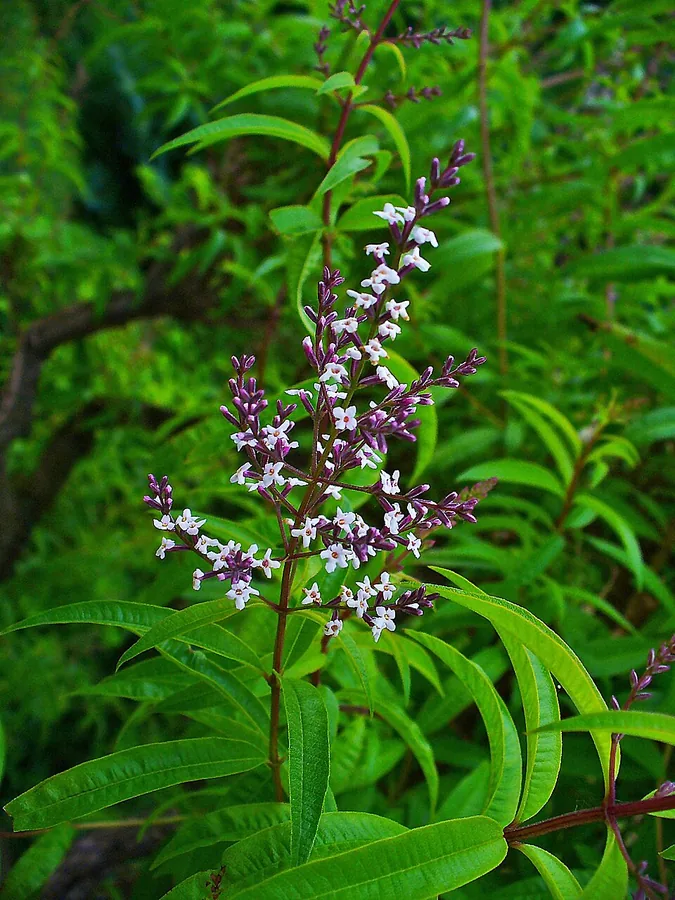
Not many herbs greet you the way lemon verbena does. Pinch one leaf and a clean, sweet lemon scent lifts up, brighter than most real citrus, which is exactly why the leaves land in tea, syrups, and so much cooking. It grows into a loose, woody shrub, comes from South America, and is loved across the world for that fragrance alone.
Think of it as a frost-tender perennial that only stays outdoors happily in the mild zones 8 to 11. Where winters turn hard, you can grow it in a pot and carry it inside, or grow it as an annual and start fresh each spring, and either way is perfectly fine. It may climb to 6 feet (180 cm) of open, leggy growth, so give it room and a friendly pinch now and then to stay full.
A little patience goes a long way with this plant. It tends to sulk and shed leaves when it is moved or chilled, then bounces right back once it settles, so please do not give up on it. Offer sun, warmth, and even moisture, and you will be picking fragrant leaves from spring straight through the season.
Care
The short version: give it full sun and warmth, keep the soil evenly moist but never soggy, feed it once a month while it grows, and shelter it or bring it inside before the first frost.
Light
Lemon verbena loves full sun and does best with 6 or more hours a day, which keeps the leaves fragrant and the growth nice and tight. A touch of afternoon shade is fine, though heavy shade leaves you with a thin, floppy plant and a weaker scent, so lean toward brightness.
Water
Aim to keep the soil evenly moist but well drained, and water a little more often in pots or when the heat climbs. If it swings between bone-dry and waterlogged the plant sheds leaves to tell you so, and steady, gentle watering is really all it asks.
Soil
Set it into well-drained loam with plenty of organic matter mixed in. It happily takes a fairly wide pH range from 6.0 to 7.5, so do not fuss over the exact number, because good drainage matters far more.
Temperature
It is content from around 23°F to 86°F (-5°C to 30°C), but remember it is frost-tender at the low end and will drop leaves in the cold. Once things dip below 40°F (4°C) it struggles, so bring container plants in ahead of the first hard chill and it will thank you.
Humidity
Everyday humidity around 40% to 60% suits it just fine outdoors. Indoors over winter the air turns dry and can invite spider mites, so a little added moisture and good airflow keep the leaves in good shape.
Feeding
Feed it monthly through spring and summer while it is actively growing, using a balanced general-purpose fertilizer. Go lighter with container plants, since they cannot shrug off too much food the way a garden plant can.
Pruning
Prune in spring to shape it and clear away dead or weak wood, and pinch the growing tips through the season to keep it bushy and the leaves coming. After it overwinters, cut it back hard once fresh new growth shows, and it will fill in beautifully.
Repotting
Move it up every 1 to 2 years in spring into the next pot size. Roots circling the pot, water rushing straight through, or fast wilting between waterings all tell you it is ready for fresh soil and a bit more room.
Size & spacing
Expect a loose, woody shrub of 2 to 6 feet (60 to 180 cm) tall spreading 3 to 4 feet (90 to 120 cm) wide. Give it that space so air moves freely and its open shape has room to fill in comfortably.
When to plant
Lemon verbena simply waits for warmth and will not stand frost, so there is no rush. Set your plants out only once the cold has gone and the nights feel warm in late spring, pick the fragrant leaves right through the season, and watch for small white to lilac flowers as summer eases toward its close.
Northern hemisphere
Southern hemisphere
Typical months for a temperate climate: start earlier in warm zones, later where spring frosts linger.
- Plant: After all danger of frost has passed and soil and nights are warm (late spring)
- Harvest: Tiny white to pale lilac flowers in open clusters in late summer; harvest fragrant leaves throughout the growing season, most aromatic just before flowering
Hardiness
USDA hardiness zones: 8–11
Temperature: down to -12°C
Troubleshooting
Happily, lemon verbena is honest with you, and it shows trouble by dropping leaves or fading pale. Most of what bothers it comes down to cold, uneven watering, or dry indoor air. Find your plant's symptom below and gently sort out the cause before things go any further.
Drooping plant with soft, dark roots
If the soil stays wet and smells sour well after you water, root rot is the likely cause and the roots have turned soft and brown. This one is fixable: ease off the water, lift the plant out, and snip away the dead roots before you set it into fresh, fast-draining mix. Choosing a pot with real drainage holes keeps the trouble from coming back.
Fix:
- Reduce watering and improve drainage
- Repot into fresh, well-drained mix, trimming away rotted roots
- Use containers with drainage holes
Every leaf let go at once
Take heart if your plant suddenly stands bare, because this is almost always transplant shock or a chill below 40°F (4°C) rather than anything you did wrong. A back-and-forth between dry and soggy soil can set it off as well. Leave it settled in one place, water it evenly, and it will forgive you and push out fresh leaves once it feels at home.
Fix:
- Stabilize the plant's environment and avoid further moves
- Keep soil evenly moist and out of cold drafts
- Be patient; new leaves usually flush once conditions stabilize
Pale speckling and thin webbing on the leaves
When the indoor air goes dry, spider mites move in and freckle the leaves pale while spinning thin webs beneath them. Whitefly and aphids can leave that same worn, yellow look, so do not panic over which pest it is. Rinse the foliage well, treat the undersides with insecticidal soap, and give an indoor plant fresher air and a bit more moisture, and you will turn this around.
Fix:
- Rinse foliage with a strong spray of water
- Treat with insecticidal soap or horticultural oil, covering leaf undersides
- Increase air circulation and humidity for indoor plants
Toxicity
Here is some reassurance for a busy home: lemon verbena is safe all around. It is a kitchen herb grown for tea and cooking, and nothing in the leaves or stems will harm pets, livestock, or children. Grow it wherever you like with an easy mind.
Safe for
People · Cats · Dogs · Horses · Rabbits · Livestock · Birds
Cats None
You can relax with cats around, since nothing in the leaves or stems is toxic to them. If a curious one takes a nibble it might get a brief tummy upset, and that is true of nearly any plant they taste.
Dogs None
Dogs are in the clear here, with no toxins to worry about. The bold lemon scent tends to put them off chewing much of it anyway, so you can breathe easy.
Horses Safe
Rest easy about horses, because lemon verbena holds nothing that would harm one, and a grazing horse has no reason for concern.
Rabbits Safe
Rabbits are perfectly fine with it, and a few of the fragrant leaves make a lovely now-and-then treat next to their everyday greens.
Livestock Safe
Cattle, goats, and sheep can browse the leaves safely, as there is no toxin in the plant that would trouble them.
Birds Safe
Birds face no danger from it, whether they peck at leaves in the garden or share a room with the plant indoors.
People Safe
Go ahead and enjoy the leaves in the kitchen, steeped into a bright lemon tea or added to food, because they are perfectly safe to eat.
Leaves are edible and aromatic; no special handling precautions are needed beyond normal kitchen use.
Varieties
Lemon verbena nearly always comes as the plain species, so there is not a long list to sort through. Here is what that means when you head out to shop.
Lemon verbena (species)
You will nearly always find it sold as the plain species instead of a named cultivar, and its leaves carry the strongest lemon scent of any of the everyday kitchen herbs.
How to propagate
Cuttings are the friendly way to make more lemon verbena, since seed rarely plays along. Copy a plant you already love, and you know just what you are going to get.
Stem cuttingsModerate
Late spring through summer using softwood or semi-ripe growth · Roots typically form in about 3-4 weeks, with established plants in 1-2 months
You will have the best luck taking cuttings from non-flowering shoot tips in late spring through summer, stripping the lower leaves, and settling them into a moist, well-drained mix kept warm and cozy. Give it about 3 to 4 weeks and roots appear, and over the following month or two the young plants grow into sturdy ones. Do not bother with seed, which is hard to find and rarely sprouts.
Myths
Lemon verbena is a hardy herb that survives winter outdoors anywhere.
In truth it is tender to frost and only returns dependably in the mild zones of roughly 8 to 11. If your winters run colder than that, do not worry: simply bring it indoors for the season or grow it as an annual and begin again in spring.