Ornamental · Verbenaceae
Verbena
Verbena canadensis
Give it full sun and sharp drainage, and verbena will keep the color coming from spring right through fall.
Full sun
Every 5–7 days
USDA 6–10
8–18 in · 20–46 cm
Overview
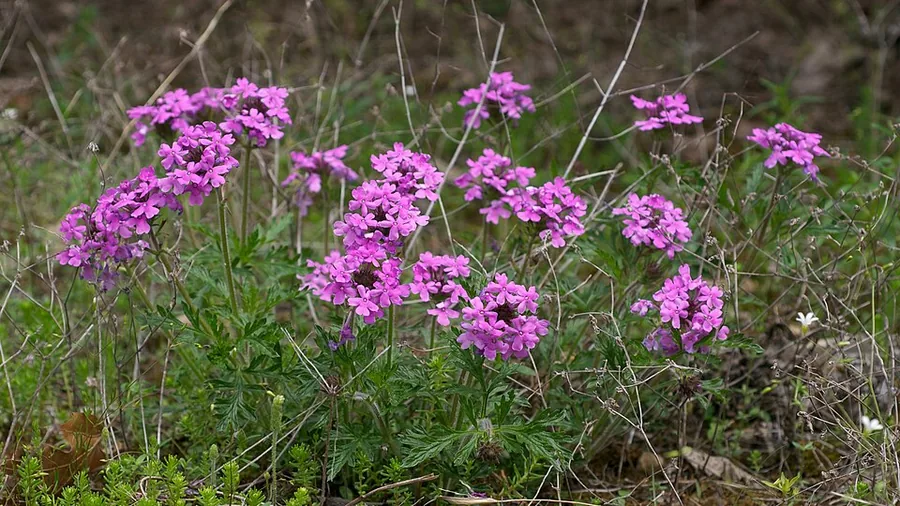
Verbena is a kind plant to start with, rewarding you with months of bloom on tough, forgiving growth. Rose verbena is a low, spreading perennial native to North America, and it lifts clusters of bright flowers from late spring well into fall. Once it settles in it asks for very little, which is why you will find it happy in beds, borders, and trailing over the lip of a pot.
The genus stretches from low groundcovers to the tall, wiry Verbena bonariensis, and nearly all of them love the same things: heat, sun, and soil that drains fast. They draw in bees and butterflies all season long, so a patch of verbena gives you color and a pollinator stop at once. Many of the garden types are short-lived perennials, which just means they shine for a couple of years and are easy to replace when the time comes.
Verbena is happy to be left alone as long as you get the basics right, so don't feel you have to fuss over it. Plant it where the sun is strong and water never sits, and it will keep flowering with hardly any help from you. Tuck it into shade or damp ground, though, and you trade those flowers for mildew and rot.
Care
The short version: full sun and sharp drainage matter most of all. Give it about an inch of water a week to keep the blooms coming, feed it a couple of times through the growing season, and deadhead or shear it back when you want more flowers.
Light
Verbena wants full sun, and the more it gets the happier it is, flowering hardest through a long day of direct light. It will accept a little afternoon shade, but too much shade thins the blooms and opens the door to mildew, so give it the brightest spot you can.
Water
Once it is established, verbena is drought tolerant and shrugs off a dry spell, though it blooms best with about an inch of water a week. Water deeply once a week when rain falls short, always at the base rather than over the leaves, and never let the soil stay soggy. Plants in pots dry out faster, so keep a closer eye on those.
Soil
Give it well-drained sandy or loamy soil, because wet feet are the one thing verbena will not forgive. It takes poor and rocky ground in stride and copes across a wide pH range of 6.0 to 8.0, but a soggy, poorly drained spot will rot it, so choose your place with drainage in mind.
Humidity
Plain outdoor air suits it fine, so there is no humidity for you to fuss over. What matters far more is airflow, since still, muggy conditions are where mildew and botrytis tend to begin.
Feeding
Feed with a complete fertilizer such as 16-4-8 in mid to late spring, then again after you trim the plant back. Verbena isn't a hungry plant, and honestly the extra feeding only really pays off in very sandy soils.
Pruning
Pinch the tips at planting to encourage a bushier plant, and deadhead through the season to keep the flowers coming. When bloom slows in midsummer, shear the whole plant back by about a quarter, then water and feed it lightly, and the flowers return in 2 to 3 weeks. Go gently in fall and save any hard pruning for spring, since a deep fall cut can cost the plant its cold hardiness.
Size & spacing
Rose verbena stays low, running 8 to 18 inches (20 to 46 cm) tall, and it spreads 12 to 24 inches (30 to 61 cm) wide. Give each plant that full spread so air moves through and its spreading habit has room to fill in.
When to plant
Verbena loves warmth and won't stand a frost, so let the cold pass before it goes out. Start seed indoors in late winter, or set transplants out once the chill is gone and the soil has warmed, and the flowers will carry on from spring through fall until the season closes.
Northern hemisphere
Southern hemisphere
Typical months for a temperate climate: start earlier in warm zones, later where spring frosts linger.
- Sow: Start seed indoors 6 to 8 weeks before the last spring frost
- Plant: Set plants out after the last spring frost once soil has warmed
- Harvest: Blooms spring through fall (April to September in North Carolina)
Hardiness
USDA hardiness zones: 6–10
Temperature: down to -23°C
Troubleshooting
Most verbena troubles come back to one of two things, too much shade or too much water, and both are easy to put right. Keep a gentle eye on the leaves, flowers, and base of the plant, and a small change caught early usually turns things around. Find what you are seeing below, then act before it spreads.
A drooping plant going soft and dark at the soil line in wet ground
If a plant droops while the soil is still wet, the likely trouble is root rot from Pythium or Rhizoctonia, or southern bacterial wilt settling into waterlogged ground. A plant this far gone can't be saved, so lift it out gently and let it go. The good news is that better drainage and fresh, healthy stock in a spot where water drains away will set you right.
Fix:
- Improve drainage and stop overwatering
- Remove and discard affected plants
- Replant healthy stock in well-drained soil
A pale, floury dusting settling over the leaves and stems
That dusty white film is powdery mildew, and it tends to move in when a plant sits in shade, gets crowded, or dries out too much. Take heart, because the fix is simple: give it more sun and moving air, and water down at the soil instead of over the top. Pinch away the worst leaves and the plant will bounce back.
Fix:
- Move or thin plants to improve sun and air flow
- Avoid overhead watering and water at the base
- Remove and discard severely affected foliage
Leaves turning pale and speckled, with delicate webs underneath
When the weather turns hot and dry, spider mites show up, and they go after a thirsty plant first. Don't worry, a firm spray of water knocks them off, and keeping the soil evenly moist takes away the stress that invited them. If a few linger, insecticidal soap or horticultural oil will see them off.
Fix:
- Rinse foliage with a strong spray of water
- Keep plants adequately watered to reduce stress
- Treat persistent infestations with insecticidal soap or horticultural oil
Blooms turning brown and wearing a coat of soft gray fuzz
In damp, muggy weather the blooms can brown over and grow a gray fuzz, which is botrytis blight. It looks worse than it is, so simply pick off the spoiled flowers and any litter around the plant, and keep up with deadheading so tired petals don't sit and rot. A little more airflow and drier leaves keep it in check.
Fix:
- Remove and discard affected flowers and debris
- Improve air circulation and reduce overhead moisture
- Deadhead spent blooms promptly
Toxicity
Here is reassuring news for pet owners and parents: garden verbena is safe. The ASPCA does not list the genus Verbena as toxic to cats, dogs, or horses, so a stray nibble is nothing to lose sleep over. Just take care not to mix it up with lemon verbena or lantana, the so-called shrub verbena, which are separate plants that are toxic.
Safe for
People · Cats · Dogs · Horses · Rabbits · Livestock · Birds
Cats None
You can relax with a cat in the house, since the ASPCA does not list garden verbena as toxic. If a curious cat takes a nibble, no harm will come of it.
Dogs None
Dogs are welcome to share the garden with verbena, as it stays off the ASPCA toxic list. A dog that wolfs down a big mouthful of any plant might get a passing tummy upset, and that is all.
Horses Safe
Horses grazing close by have nothing to fear from verbena.
Rabbits Safe
Rabbits are free to nibble garden verbena, because it holds no toxins that would trouble them.
Livestock Safe
Cattle, goats, and sheep can graze a pasture with verbena in it and stay perfectly safe.
Birds Safe
Birds come to no harm around the plant, and pollinators visit the flowers happily.
People Safe
Garden verbena won't poison people either. Keep in mind it is an ornamental rather than something for the plate, so there is no need to taste it.
Varieties
Verbena covers a lot of ground, from trailing groundcovers to tall, airy stems, so there is one to suit almost any spot. These are the types you are most likely to meet.
Homestead Purple
This trailing rose verbena is a strong grower that spills out glowing purple flowers from late spring into fall and rarely troubles you with the usual disorders.
Verbena bonariensis (Purpletop vervain)
Tall and see-through, this species lifts airy rose-violet clusters on slender stems that reach 2 to 5 feet, which is how it earned the friendly name verbena-on-a-stick.
Verbena × hybrida (Garden verbena)
These are the cheerful bedding hybrids in pink, purple, red, and white that most gardeners raise as warm-season annuals.
How to propagate
Verbena is a generous plant to multiply, whether you root a cutting to copy a favorite or let it grow from seed.
Stem cuttingsEasy
Take softwood cuttings during the growing season · Roots in about 2 to 4 weeks
During the growing season you can snip softwood cuttings, and they settle in and root in about 2 to 4 weeks. This is the dependable way to keep a named cultivar just like its parent, since seed won't copy it faithfully.
SeedEasy
Start indoors 6 to 8 weeks before last frost or direct sow after last frost · Germinates and blooms the first season
Start seed indoors 6 to 8 weeks before your last frost, or scatter it into warm ground once frost has passed, and it will flower that same season. The species types self-sow with ease, and bonariensis reseeds so freely that it often returns on its own.
Myths
Any plant called verbena will poison a curious cat or dog.
True garden verbena in the genus Verbena never appears on the ASPCA toxic plant list. The confusion comes from lemon verbena (Aloysia) and lantana (shrub verbena), two different plants that the ASPCA does flag for dogs and cats. The real Verbena in your bed is safe.
Plant verbena once and it returns faithfully every spring, whatever the climate.
Most garden verbenas are short-lived perennials, and it helps to plan on replacing them after two or three years. Cold winters are more than they can take, so in those areas gardeners simply enjoy them as annuals.